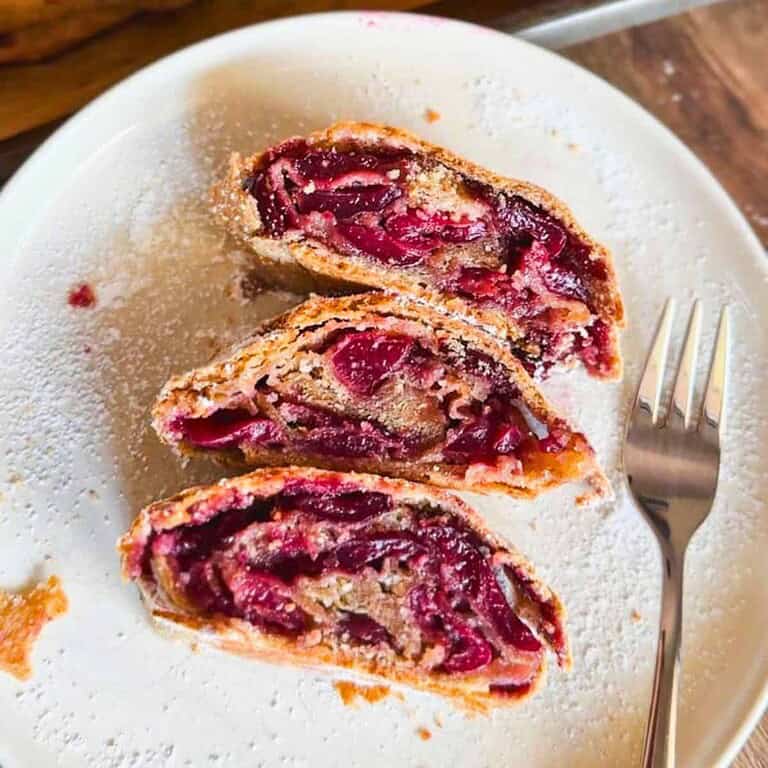
Should You Sift Fresh Milled Flour? (When I Do and When I Don’t)
If you bake with fresh milled flour, you've probably run into the big debate: sift or don't sift? The internet is full of opinions on sifting fresh milled flour. I have a pretty strong one too.
Here's the short answer. You don't have to sift fresh milled flour. Sifting takes out some of the bran, so your bakes come out lighter and fluffier. But you also lose some of the fiber, nutrients and flavor. My own rule is simple:
- If it goes through a sourdough fermentation, I don't sift.
- If it's a quick bake, I usually do.
I've been baking sourdough for over six years, and for the last couple of years I've been baking more and more with freshly milled flour. I love it mostly for the flavor, but also for the nutrition. Below I'll walk you through everything that goes into the decision, so you can choose for yourself.
Quick Look
| Sift | Don't sift | |
| You'll get | A lighter crumb, more oven spring, softer and more tender bakes | More nutrients, fuller flavor, less waste, fewer steps |
| Good for | Quick yeast bakes, pancakes or waffles you cook right away, delicate bakes | Sourdough bread, overnight-fermented pancakes and other sourdough-fermented bakes |
| What you need | Any sieve (a finer one works better) or a hand sifter | Nothing extra |
What Does Sifting Fresh Milled Flour Actually Do?
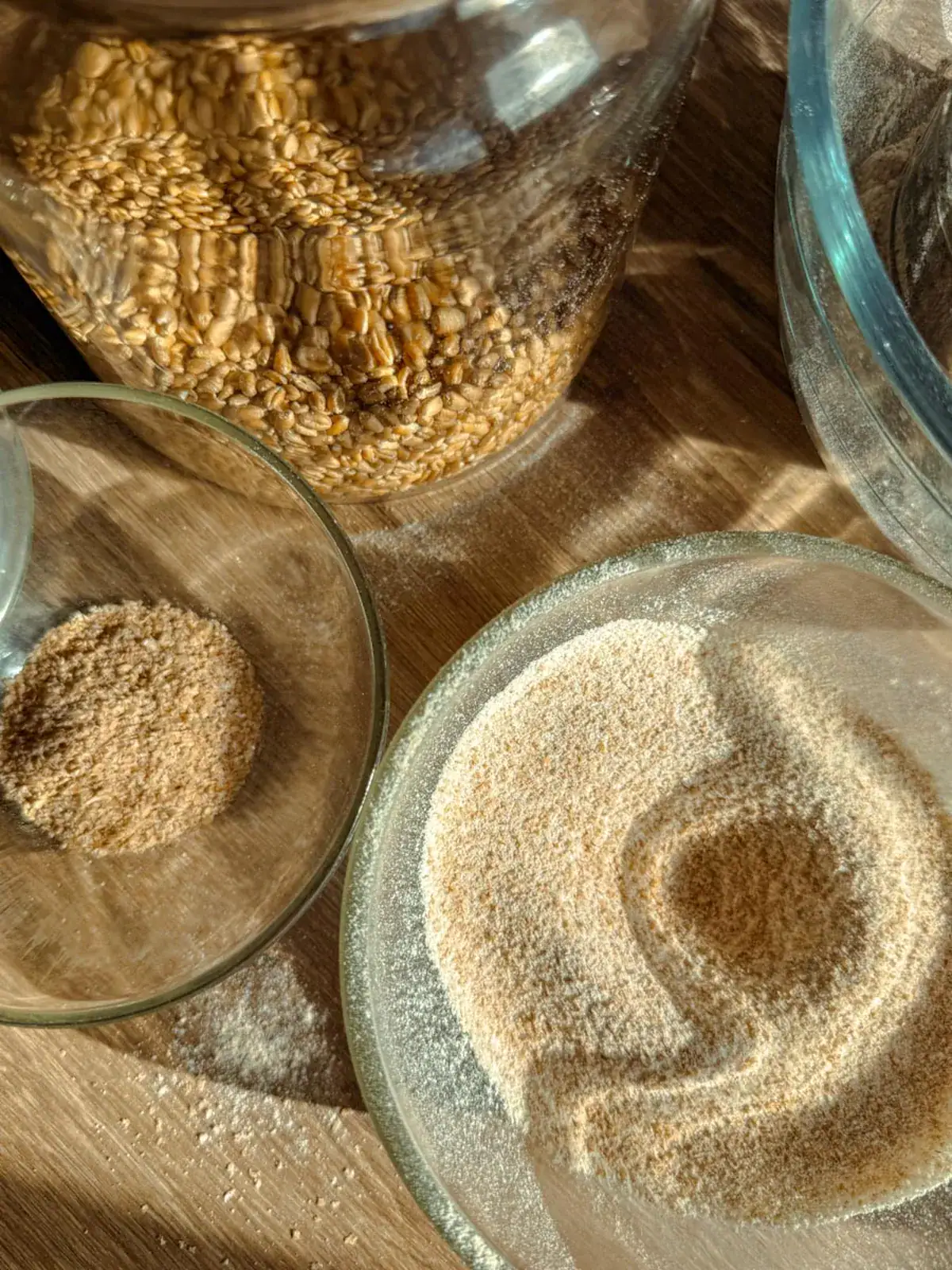
Sifting fresh milled flour just means putting it through a sieve to catch some of the bran. That's really all it is. I almost feel funny explaining it!
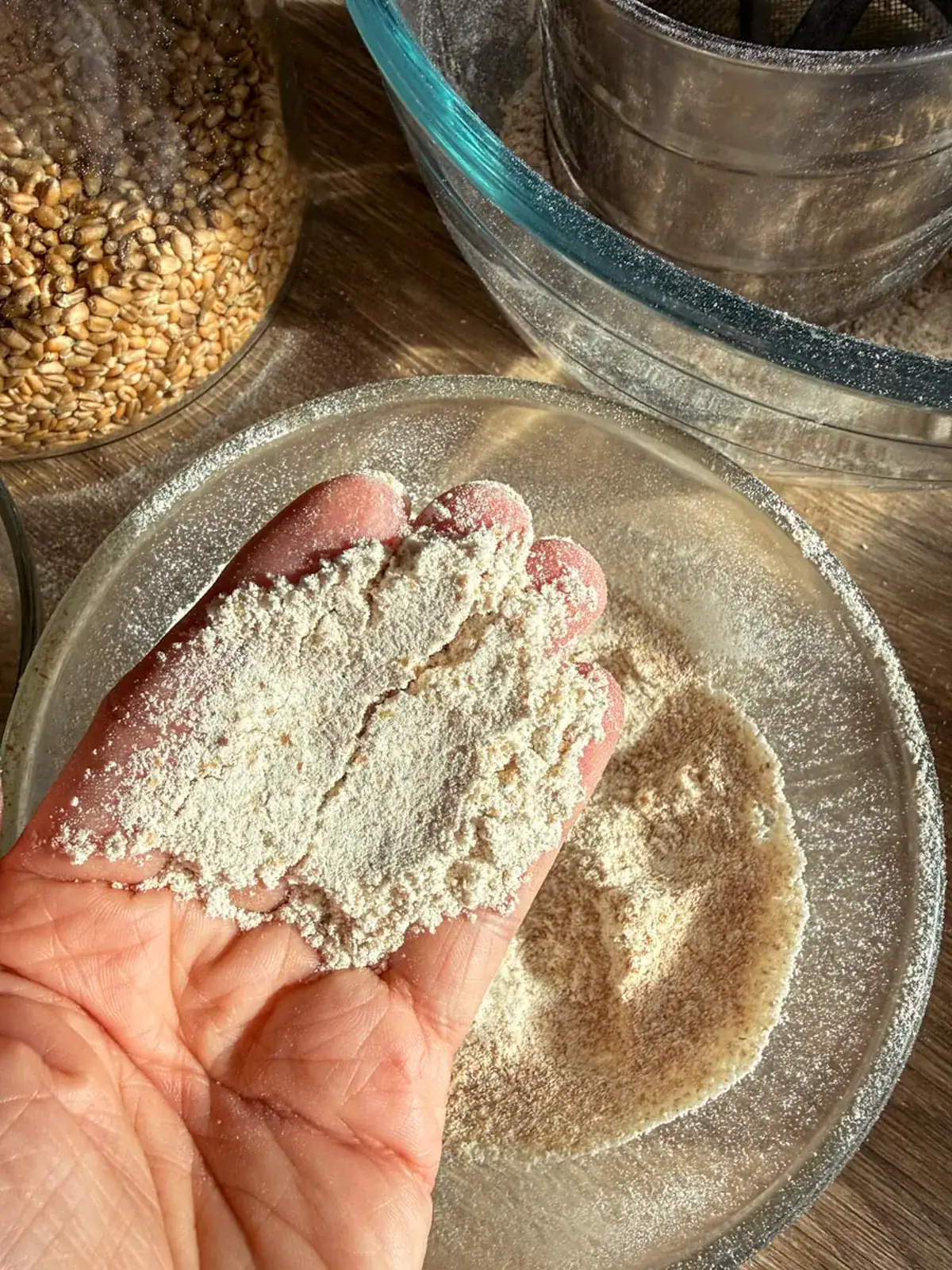
When you mill grain at home, you keep all three parts of the kernel: the bran, the germ and the endosperm. That's why fresh milled flour feels a little gritty and isn't as soft as all-purpose or bread flour. The darker specks you see in it are bran. (If you want the basics first, here's what fresh milled flour is and how it behaves.)
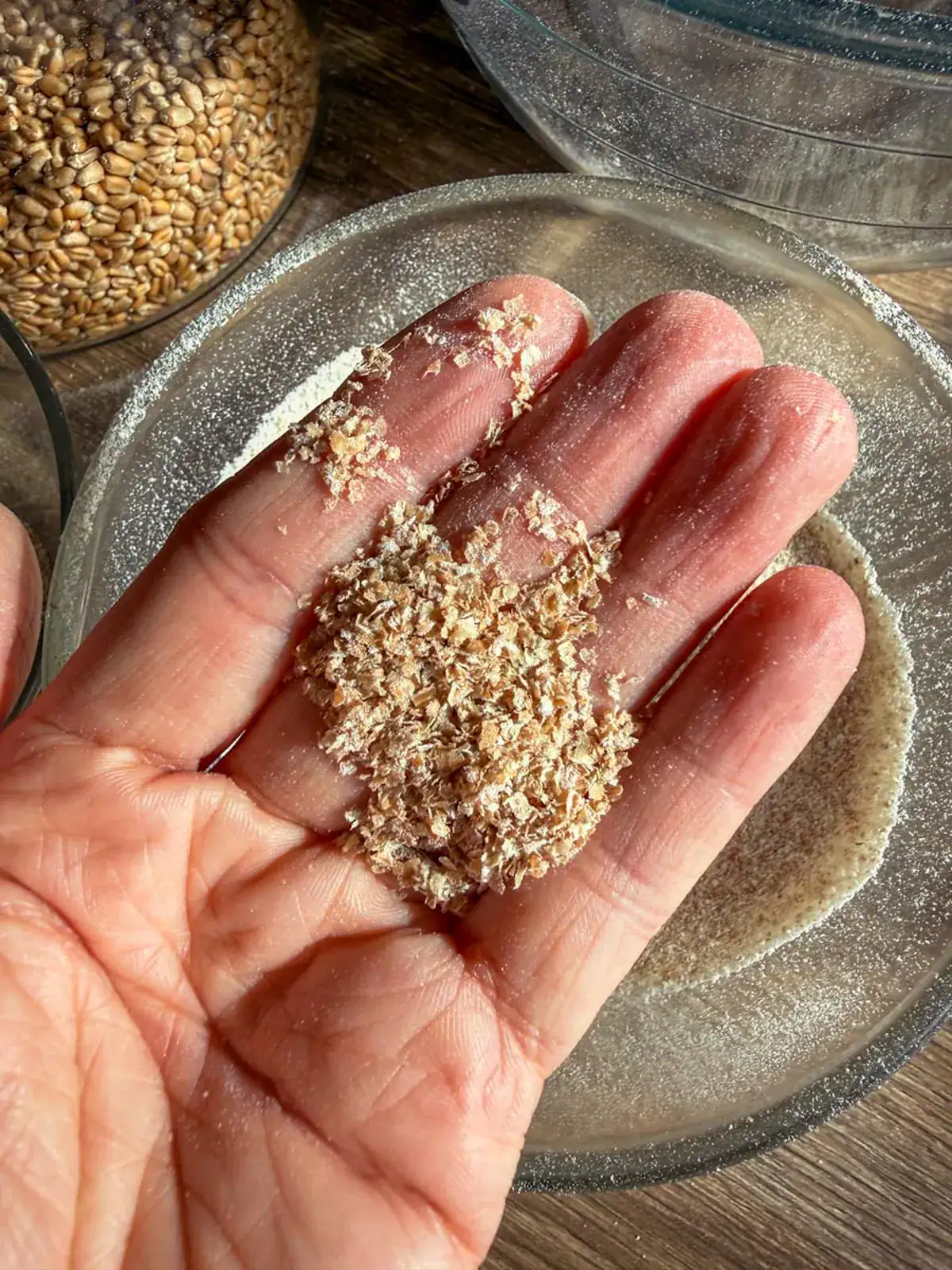
Most store-bought flour has the bran removed, and there's a reason for that: bran makes baking harder. Bran particles get in the way of the gluten that gives dough its structure. People often describe bran as tiny blades that cut through the gluten strands. That's how I explain it too, although the science is a bit more complicated: bran also soaks up water the gluten would otherwise use. Either way, the dough can't trap gas as well, so it never gets quite as light and fluffy as a white flour dough.
Flour with some of the bran sifted out is sometimes called high extraction flour or bolted flour. At home, a sieve is the only real way to take some of that bran out.
Why Sift Fresh Milled Flour?
The main reason people sift is that it makes baking easier. When you remove some of the larger bran pieces, you can expect:
- A higher rise. With fewer bran pieces getting in the way, the gluten can hold the dough up better.
- Softer sandwich loaves and fluffier rolls.
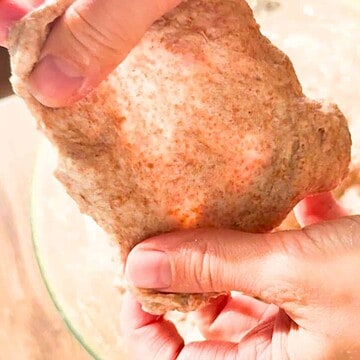
- Smoother, easier dough. Gluten forms more easily, so the dough often needs less mixing and stretches better. That's especially helpful if you're a beginner.
- More predictable results. Store-bought whole wheat flour is usually milled much finer than home-milled flour. Sifting gets you closer to the flour many whole wheat recipes were written for.
- More tender delicate bakes. Some bakers say cakes, cookies, pastries and pancakes come out softer when the coarsest bran is gone.
fresh-milled sourdough course
Want to master fresh-milled sourdough?
15 step-by-step video lessons, 4 sourdough recipes, and lifetime access
Why You Might Not Want to Sift
So if sifting makes baking easier, why not always do it? Here are the reasons, starting with the one that matters most to me:
- You lose nutrients. The bran and germ hold a lot of the grain's fiber, minerals, antioxidants, healthy fats and vitamins. Fine bran still slips through the sieve, but removing the coarse part does lower the nutritional value of your flour.
- You lose flavor. A lot of people love fresh milled flour for its complex flavor, and bran is a big part of that. Unsifted breads taste richer and more interesting to me.
- It creates waste. If you don't have another use for the bran, throwing it in the trash feels a bit wasteful.
- It's an extra step. One of the best things about home milling is grinding the wheat and baking with it right away. No extra equipment, no extra steps.
Phytic Acid: The Part Nobody Talks About
This is the point that I think doesn't get talked about enough. It's also the one that really decides when I sift and when I don't.
Phytic acid is a natural compound found mostly in the bran and germ of grains. It stores nutrients for the seed. But it can also bind to minerals like iron, zinc and calcium, which makes them a little harder for your body to absorb.
Because phytic acid is concentrated in the bran and germ, unsifted fresh milled flour contains more of it than sifted flour.
Just to be clear: phytic acid doesn't make the flour itself harder to digest. It can just lower how much of those minerals you absorb.
Here's the good news. A long sourdough fermentation breaks down a lot of the phytic acid. Research supports this. One study on whole wheat dough found that the mild acidity from sourdough fermentation broke down much more phytic acid than a dough with no leavening. Baker's yeast made very little difference. Quick yeast breads and other fast recipes leave much more of the phytic acid in place. (I've written more about the health benefits of sourdough bread if you're curious.)
So fermentation matters a lot here, and that brings me to my rule.
My Rule: Sourdough-Fermented Means No Sifting, Quick Bakes Mean Sifting
I could go on and on about the pros and cons, but here's what I actually do in my own kitchen.
Why fresh milled flour and sourdough get along so well
I bake a lot of sourdough, and I love it even more since I started using fresh milled flour. When I make a sourdough sandwich bread with fresh milled flour, it comes out a lot softer and is much easier to handle. I don't need as much time to develop the dough, and I don't need a mixer. It still comes out tender, soft and really flavorful. (My soft fresh milled sourdough sandwich bread is a good place to start.)
With yeast, it's a different story. I have to work the dough quite hard and be very particular about timing. If I miss a step, the bread just doesn't turn out well.
I think the difference is the sourdough fermentation, for two reasons:
- The bran has hours to soften. It's not exactly soaking, but the bran softens the whole time the dough is fermenting. (If you're new to this stage, here are my sourdough bulk fermentation tips.)
- The fermentation itself seems to tenderize the dough. I honestly don't know the full scientific explanation, but in my experience the bran ends up even softer.
Giving the dough a rest after mixing helps the bran soften too. I explain that in should you autolyse fresh milled flour.
So if I'm making something with a sourdough starter, I pretty much never sift. The dough comes out soft and fluffy either way, so I don't bother.
What happened when I baked both side by side
I did test this. I made one sourdough loaf with sifted flour and one with unsifted flour.
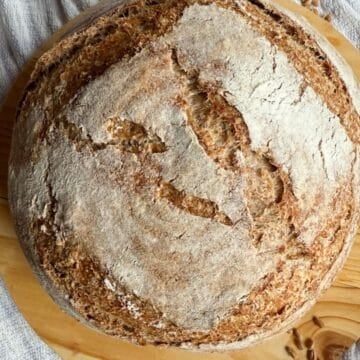
I'll admit the sifted loaf was a bit fluffier and had slightly better oven spring. But I liked the flavor, the color and the rustic feel of the unsifted loaf better. To me, that trade is worth it.
If you want to try your own comparison, my basic fresh milled sourdough bread is a simple loaf to test with.
Plan ahead and let it ferment
Because of this rule, I try to plan ahead so that more of my baking gets a sourdough fermentation. For example, if I want pancakes for breakfast, I throw the batter together the evening before and leave it on the counter to ferment overnight. In the morning, I have fresh milled sourdough pancakes, and no sifting needed. Here's my recipe for fresh milled sourdough pancakes, which includes an overnight version.

I do the same with bread and anything else that goes through at least a couple of hours of sourdough fermentation: bread, pancakes, muffins. I leave the flour unsifted. If you need ideas, browse my fresh milled sourdough recipes.
Discard recipes don't count
Important: This rule doesn't apply to most sourdough discard recipes. If you stir some discard into muffin batter and bake it right away, the batter hasn't actually fermented. The bran doesn't get those hours to soften, so treat it like any other quick bake.
When I do sift
I don't always plan ahead. Sometimes I bake with yeast, or I mix up pancake or waffle batter and cook it right away. In those cases, I feel better sifting the bran out, for two reasons:
- The bran stays firm. Without fermentation, I can actually feel the bran in pancakes, waffles and other batter-based bakes. There's a firmness to it that I don't love.
- Digestion. I think unfermented bran can be hard on some people's digestive systems. Fermentation hasn't had a chance to work on the phytic acid or soften the bran, so the end result may be a bit harder to digest. That's my personal take, not medical advice. Listen to your own body.
That doesn't mean I remove all the bran when I sift. I just take out part of it so the balance between soft flour and bran is a bit better.
There are exceptions. I do like bran in muffins, for example, and in a few other things where I don't mind it.
Here's the rule in a nutshell:
| What I’m making | Fermented? | Do I sift? |
| Sourdough bread or sandwich loaf | Yes, for hours | No |
| Pancake batter fermented overnight | Yes, overnight | No |
| Sourdough discard bakes baked right away | No | Usually, unless it’s something like muffins where I like the bran |
| Yeast bread | Not a sourdough fermentation | Usually |
| Pancakes or waffles mixed and cooked right away | No | Yes |
How to Sift Fresh Milled Flour at Home
Watch me sift fresh milled flour with a regular sieve and a hand sifter.
Sifting is very simple, and you don't need special equipment. Here's how I do it:
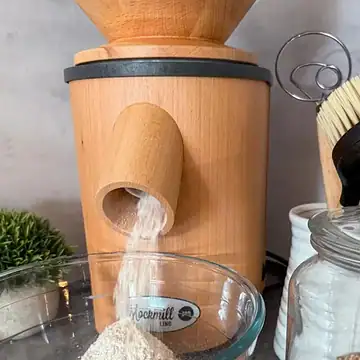
- Mill your grain. In the video I'm using hard white wheat berries milled on my Mockmill Lino 200.
- Set a sieve over a large bowl. A regular kitchen sieve works. A finer one does a better job.
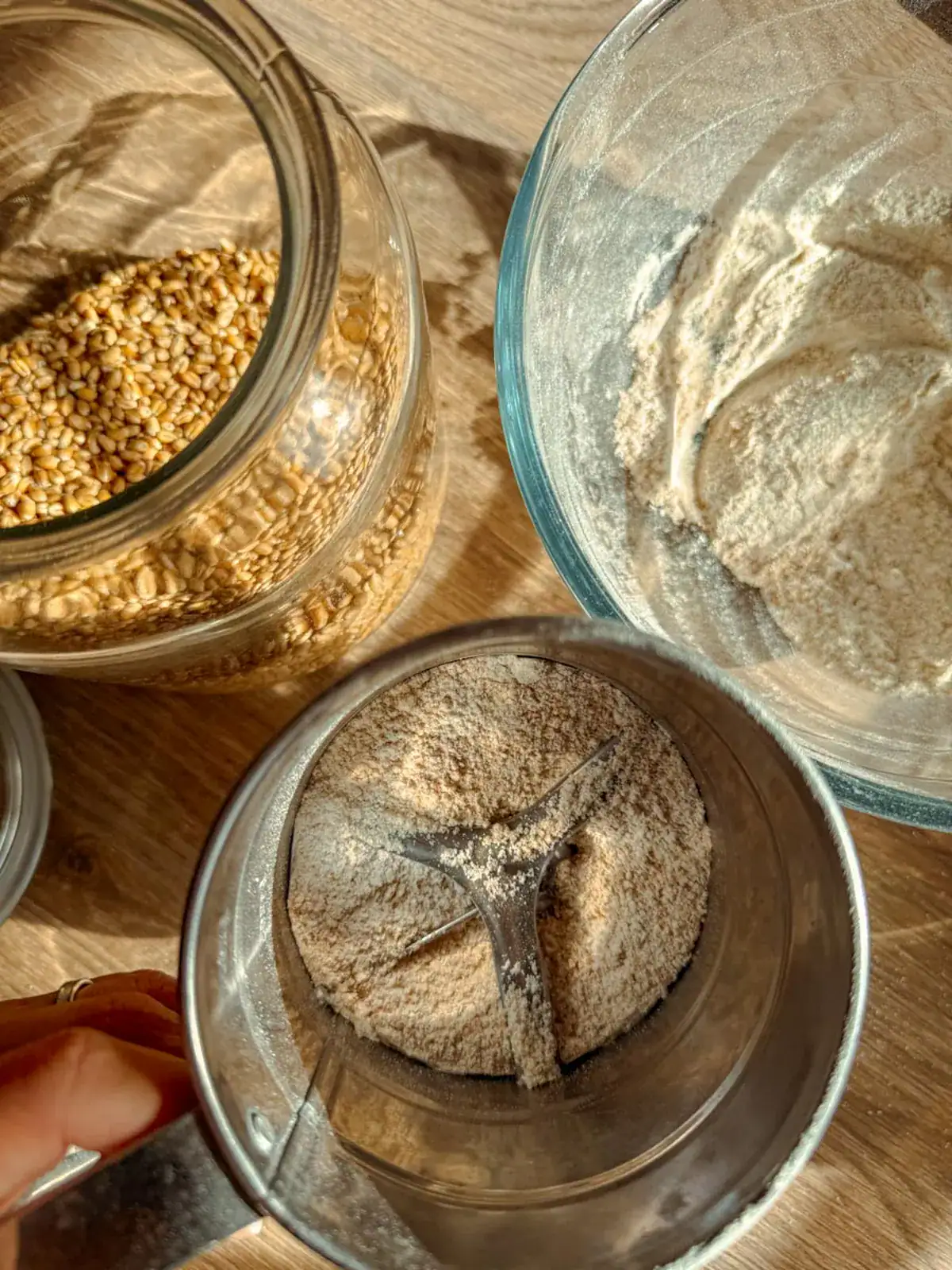
- Add some flour and sift. Shake or tap the sieve so the flour falls through into the bowl.
- Tip out what's left behind. What stays in the sieve is mostly the bigger bran pieces, because they're too big to pass through.
- Repeat until all your flour is sifted.
One general tip: because you're taking some bran out, you'll end up with a bit less flour than you milled. Mill a little extra, and weigh your flour after sifting so your recipe stays accurate.
A hand sifter makes it faster
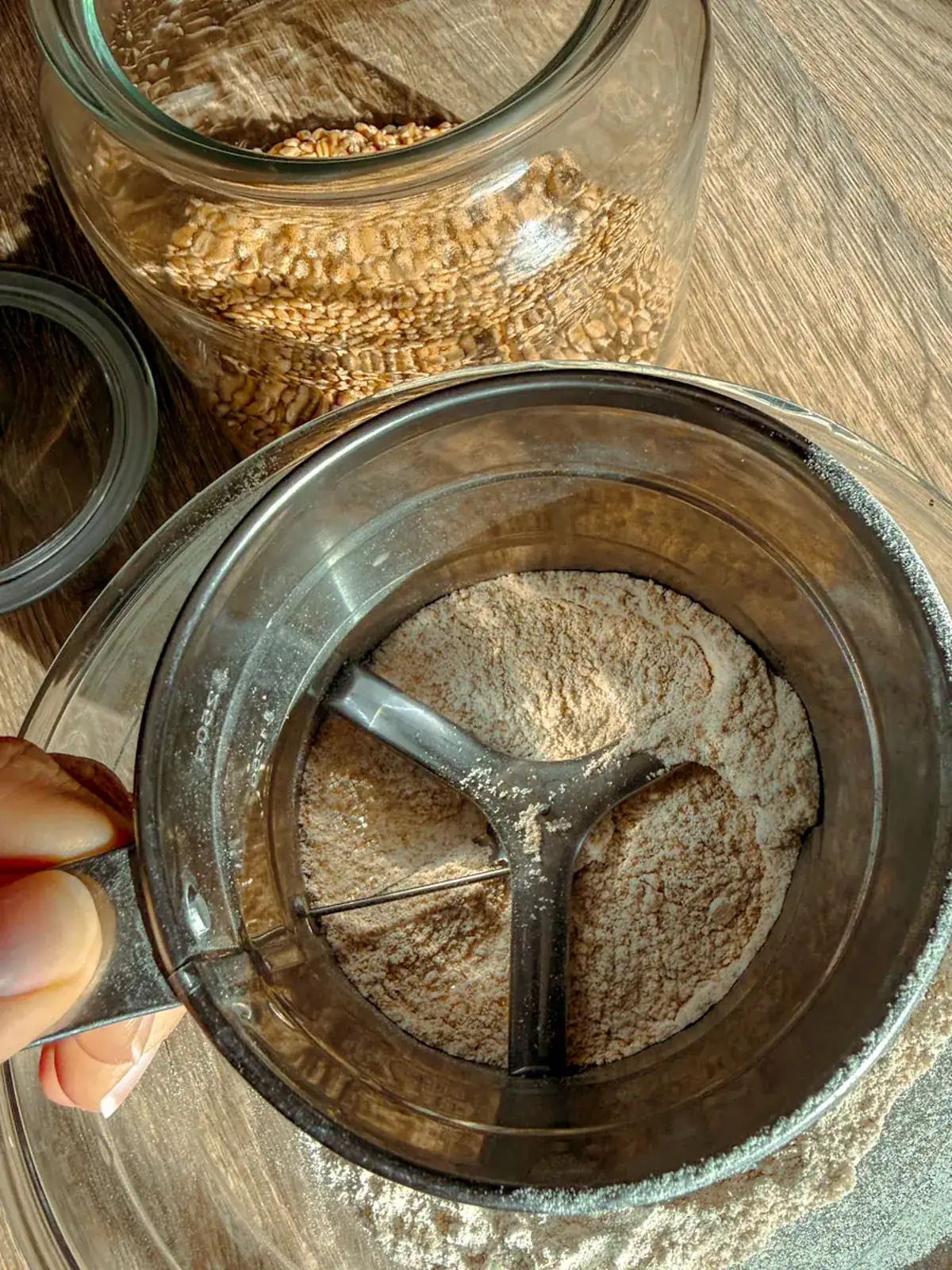
A plain sieve is fine, but I like to use a simple hand sifter. You squeeze the handle and the blades inside turn, which pushes the flour through. It sifts better than my regular sieve and it's much faster.
Want more bran out? Mill a bit coarser
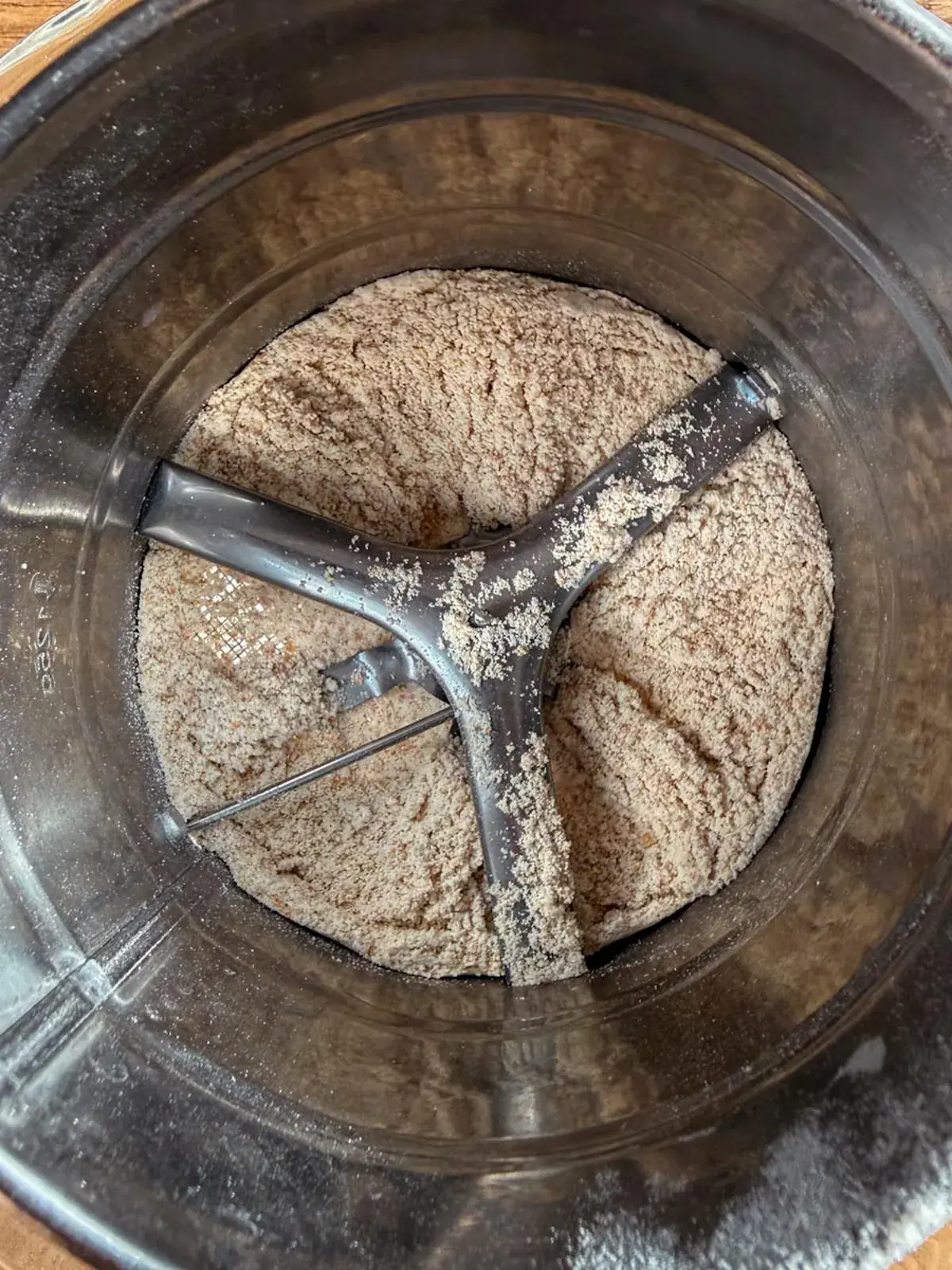
This one sounds backwards, but if you want to get as much bran out as possible, mill your flour a bit coarser. The bran pieces come out larger, and larger pieces are much easier to catch in the sieve.
I usually mill quite finely, because that's what I'm used to and I use that flour for sourdough bread. But if you really want to remove most of the bran, I'd go to about four or five on a Mockmill. I'm not sure about the settings on other mills, but the idea is the same: mill a little coarser.
You'll never get all the bran out (and that's fine)
Even after sifting, you'll still see bran specks in your flour. Home sieves aren't ultra-fine, because sifting through a super-fine mesh would take forever.
That means you don't have to worry about stripping your flour of all its fiber and nutrients. Sifted fresh milled flour will feel softer and be a bit easier to bake with, but it will never be as refined as store-bought flour. (Here's more on how fresh milled flour differs from all-purpose flour.)
What to Do With the Sifted Bran
Some bakers save the bran and add it to muffins, porridge or pancakes. That works if you like it. But I always think, why take it out in the first place if you're just adding it back in?
Honestly, since most of my baking is sourdough and I rarely sift, I usually just throw the bran away. There's really not much of it.
Should You Feed Your Sourdough Starter with Fresh Milled Flour?
This question comes up all the time, so it's worth covering here. People often ask me if I feed my starter only with fresh milled flour. The answer is no.
Fresh milled flour is very nutritious. Giving your starter an occasional feeding with it can really wake it up. It often gets more active and ferments faster because there's so much food available.
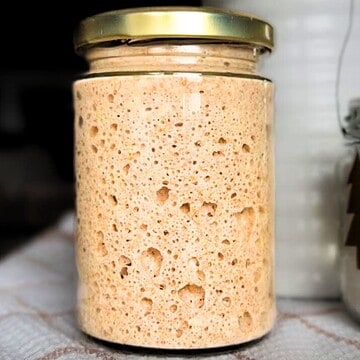
But over time I've found that if you feed a starter only fresh milled flour, the bran keeps building up in the jar. Those coarse bran particles don't disappear. They pile up with every feeding, and eventually that can make it harder for your starter to stay light, airy and active.
So I keep my starter on strong all-purpose flour or bread flour. It stays consistent and very active, and it gives me a strong culture to build my dough with. Then I use that starter in my fresh milled dough. At that point, almost all the flour in the loaf is fresh milled anyway, so I feel like I get the best of both worlds.
Want an almost 100% fresh milled loaf? Build a levain
If you want your bread as close to 100% fresh milled as possible, build a fresh milled levain the night before. I do this myself sometimes:
- In the evening, take some of your all-purpose starter.
- Feed it with fresh milled flour, as much as you need for one batch of dough.
- In the morning, you'll have an active fresh milled starter ready to mix into your dough.
Not sure if it's ready? Here's how to tell when your starter is ready to use. And if you'd like to try a starter made entirely from fresh milled flour, I have a guide on making a sourdough starter with fresh milled flour.
The Better Question: What Are You Trying to Achieve?
At the end of the day, I don't think the real question is "should you sift your flour?" It's "what are you trying to achieve?"
- If you want the most nutrition with the simplest process, and especially if you bake sourdough, don't sift.
- If you're after a lighter crumb or more oven spring, try sifting and see if you like the results.
Both ways work. The fun part of fresh milled baking is figuring out what works best in your kitchen and for the bread you love to bake. If you're just getting started, these easy fresh milled flour recipes for beginners are a good next step.
Do you sift your flour, or not? Tell me in the comments. I'm genuinely curious about your reasons, and maybe I'll learn something new!