Fresh Milled Flour vs. All-Purpose Flour: 5 Practical Differences
Fresh milled flour and all-purpose flour behave differently in baking, especially when you're using the whole grain. Freshly milled whole-grain flour usually absorbs more water and takes longer to absorb it. The dough can feel rougher, and I've found that fresh milled sourdough sometimes ferments much faster than dough made with all-purpose flour.
But there's more to fresh milled flour vs. all-purpose flour than just adding extra water. The grain you choose matters, too. Hard white wheat, soft wheat, and spelt don't all behave the same way, which is one reason I don't like relying on strict flour conversion charts.
If you're just getting started with freshly milled flour, I'd recommend starting with hard white wheat and learning how your dough behaves. You don't need a cupboard full of special ingredients or a complicated formula to make good bread.
Quick Look
- What's different: All-purpose flour is refined, while unsifted freshly milled wheat flour contains the whole grain, including the bran and germ.
- How the dough behaves: Freshly milled whole-grain flour usually absorbs more water. Give the dough time to rest before adjusting the consistency.
- Sourdough fermentation: Fresh milled sourdough can rise faster than you're used to. Watch the dough rather than relying on your usual schedule.
- Where to start: I recommend hard white wheat for beginners. Pancakes, muffins, and sandwich loaves are easier places to begin than a free-standing sourdough loaf.
- What you can skip: Sifting, vital wheat gluten, and sunflower lecithin aren't necessary for every recipe. I rarely bother with them in my everyday baking.
Fresh milled simply means the grain was recently ground into flour. It doesn't necessarily mean the flour is whole grain. In this article, I'm mainly comparing unsifted, freshly milled wheat flour with refined all-purpose flour.
If you're completely new to milling, you can read more about what fresh milled flour is and how it's made.
Prefer to watch? In this video, I explain the practical differences I've noticed when baking with freshly milled flour.

fresh-milled sourdough course
Want to master fresh-milled sourdough?
15 step-by-step video lessons, 4 sourdough recipes, and lifetime access
1. Fresh Milled Flour Isn't Just One Kind of Flour
I think this is the first thing beginners should understand.
When you buy flour at the store, you don't expect all-purpose flour, rye flour, and spelt flour to behave the same way. They come from different grains, and they have different properties.
It's exactly the same when you're milling your own grain.
Freshly milled flour isn't one specific type of flour. Its texture, gluten-forming ability, and how it behaves in dough depend on which grain you use.
Which wheat berries should you start with?
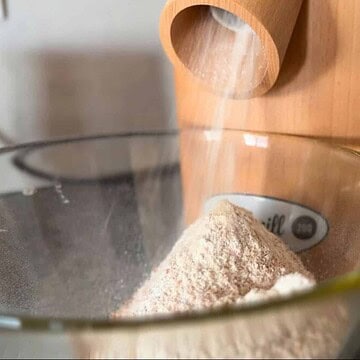
Wheat berries are simply whole, unprocessed wheat kernels. You put them into a grain mill, which grinds them into flour.
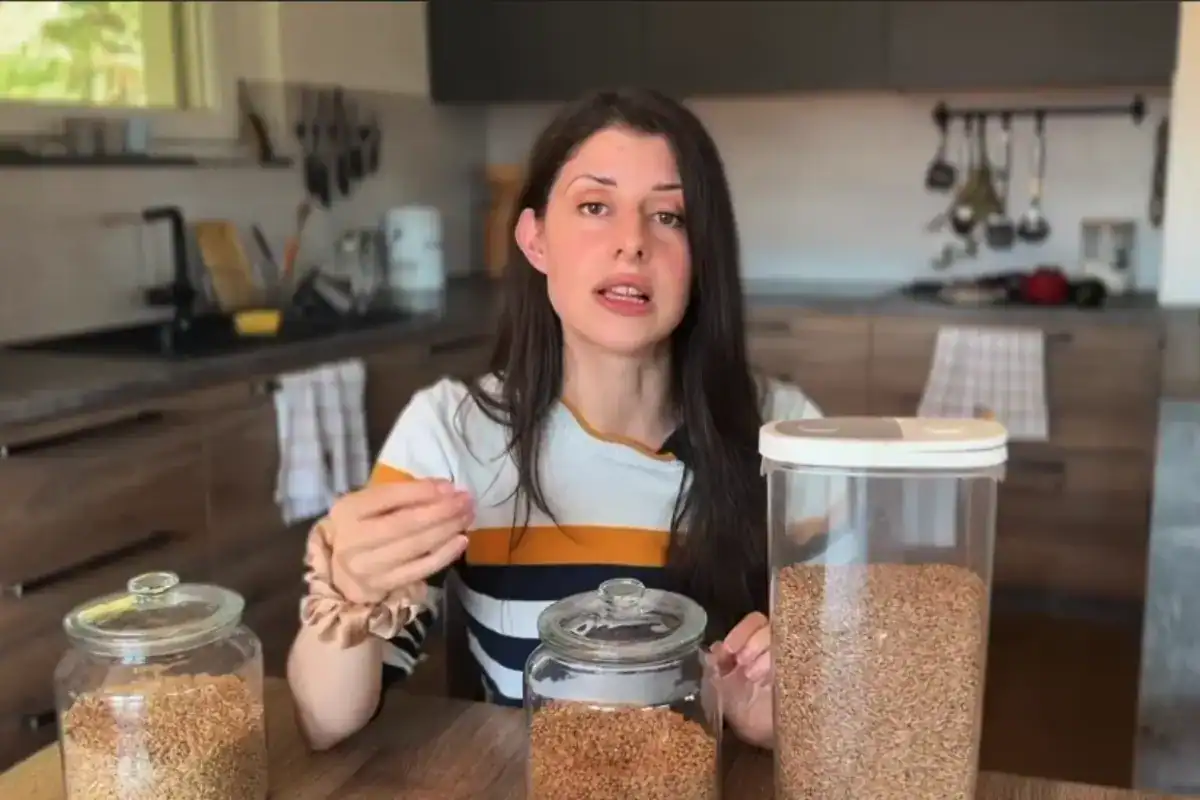
If you're buying your first wheat berries, my recommendation would be hard white wheat.
It's one of the most versatile grains you can start with. It has enough gluten-forming protein for bread baking, and I find it behaves fairly similarly to all-purpose flour in many recipes.
Gluten is the stretchy protein network that forms when wheat flour is mixed with water. It helps bread dough hold its shape and trap the gas that makes it rise.
And hard white wheat isn't just for bread. I use it for cookies, muffins, and plenty of other things.
Some bakers will tell you that soft white wheat is better for cookies and cakes. But I actually prefer hard white wheat in cookies.
That's something I think is worth remembering. A lot of recommendations about which grain is best for which recipe come down to personal preference.
The main practical difference is that hard wheats generally have more gluten-forming potential, making them better for breads that need a strong structure. Soft wheats are usually better suited to tender baked goods.
You can still make bread with soft wheat, especially in a loaf pan that supports the dough while it rises.
What about spelt?
If you want to try another grain, I'd recommend spelt.
Spelt is an ancient type of wheat. Of the ancient wheats I've worked with, I find it one of the easier ones to handle because it's relatively familiar if you're used to modern wheat.
It does have different gluten properties, though, so don't expect it to behave exactly the same.
I often use spelt instead of soft white wheat. If a recipe calls for soft white wheat, there's a good chance I'll reach for spelt instead.
My advice is to start with one or two grains rather than buying every variety you can find. Learn how they behave in recipes you already know, then experiment with others.
2. Fresh Milled Flour Absorbs More Water and Needs Time
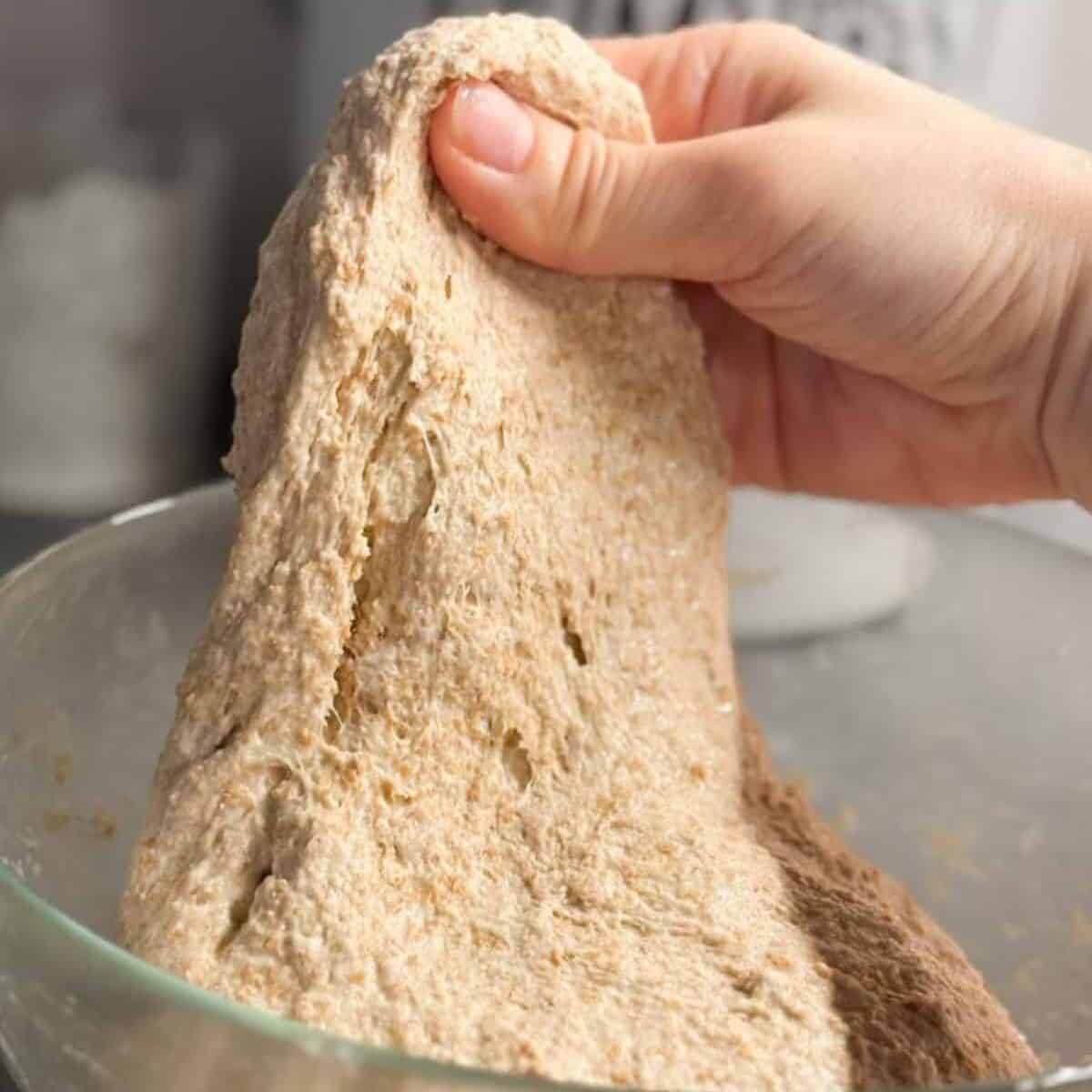
Freshly milled whole-grain flour is thirsty.
And if you're used to working with refined all-purpose flour, this might be one of the first differences you notice.
When you mill an entire wheat berry and leave everything in the flour, you're working with three parts of the grain:
- Bran: The outer layer, which contains fiber and absorbs water.
- Germ: The nutrient-rich part that contains natural oils.
- Endosperm: The starchy part that contains most of the grain's gluten-forming proteins.
Regular refined all-purpose flour is made mostly from the endosperm. Because freshly milled whole-grain flour contains the bran and germ too, it generally absorbs more water.
But there's another important difference: it can take longer to absorb that water.
Give your dough time before adjusting it
When making sourdough bread, you might be used to mixing flour and water in a bowl, sometimes with the sourdough starter and salt already added, and letting everything rest for about 30 minutes before continuing.
This resting time allows the flour to absorb the water.
With freshly milled whole-grain flour, you might find that you need closer to an hour because the bran takes more time to hydrate.
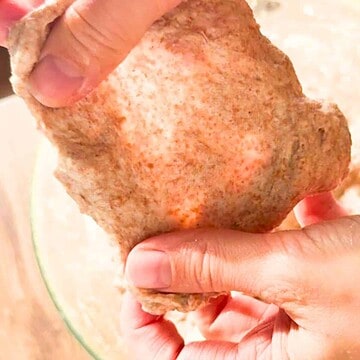
- When you first mix the dough, it might feel rough, stiff, or a little gritty. After resting, it can become softer, more cohesive, and easier to stretch.
It won't necessarily feel as smooth as white-flour dough, and that's fine.
So before deciding your dough needs more flour or water, give it time to absorb the liquid. Sometimes that's all it needs.
You may have heard of autolyse. That's simply when you mix flour and water and let them rest before adding the starter and salt. I often prefer mixing everything together from the start because it's one less step.
I've explained both methods in my guide to autolysing fresh milled flour.
Can you substitute fresh milled flour for all-purpose flour?
Yes, and I don't think you need a complicated formula to do it.
When I'm adapting a recipe, I sometimes start with a little less freshly milled flour than the amount of all-purpose flour called for.
Here's why.
If you're keeping the same amount of liquid, using a little less of the more absorbent flour can prevent the dough from becoming too stiff. Another option is to keep the flour weight the same and add a little more liquid.
Both approaches can work.
Sometimes I simply substitute hard white wheat flour for all-purpose flour in the same amount, especially in recipes where I've found it behaves similarly.
The texture will be different, of course, but that doesn't mean the recipe won't work.
If you're adapting a bread recipe for the first time, here's what I'd suggest:
- Start with the original recipe as your guide, using weights rather than cups.
- If you're using all the original flour, be prepared to add a little more water if needed. Or start with slightly less flour if you want to keep the liquid amount the same.
- Mix the dough and give it time to rest before deciding whether to adjust anything.
- Check how the dough feels. If it's still unusually stiff, add a little water at a time. If it's too loose to handle, remember that different grains and recipes may need different amounts of liquid.
With practice, you'll get better at recognizing what your dough needs.
The relationship between water and flour is called hydration. For example, 70 g of water for every 100 g of flour is 70% hydration. If you want to understand how that affects dough texture, I have a separate guide to sourdough hydration.
You don't need to calculate percentages every time you bake, though. I see plenty of conversion charts online promising exact substitutions, but no single chart can account for every grain and recipe.
I'd rather pay attention to the dough.
3. You Can Use Fresh Milled Flour Almost Anywhere, but Start Simple
One thing people sometimes wonder about is where they can actually use freshly milled flour.
My answer is pretty much anywhere you'd normally use flour.
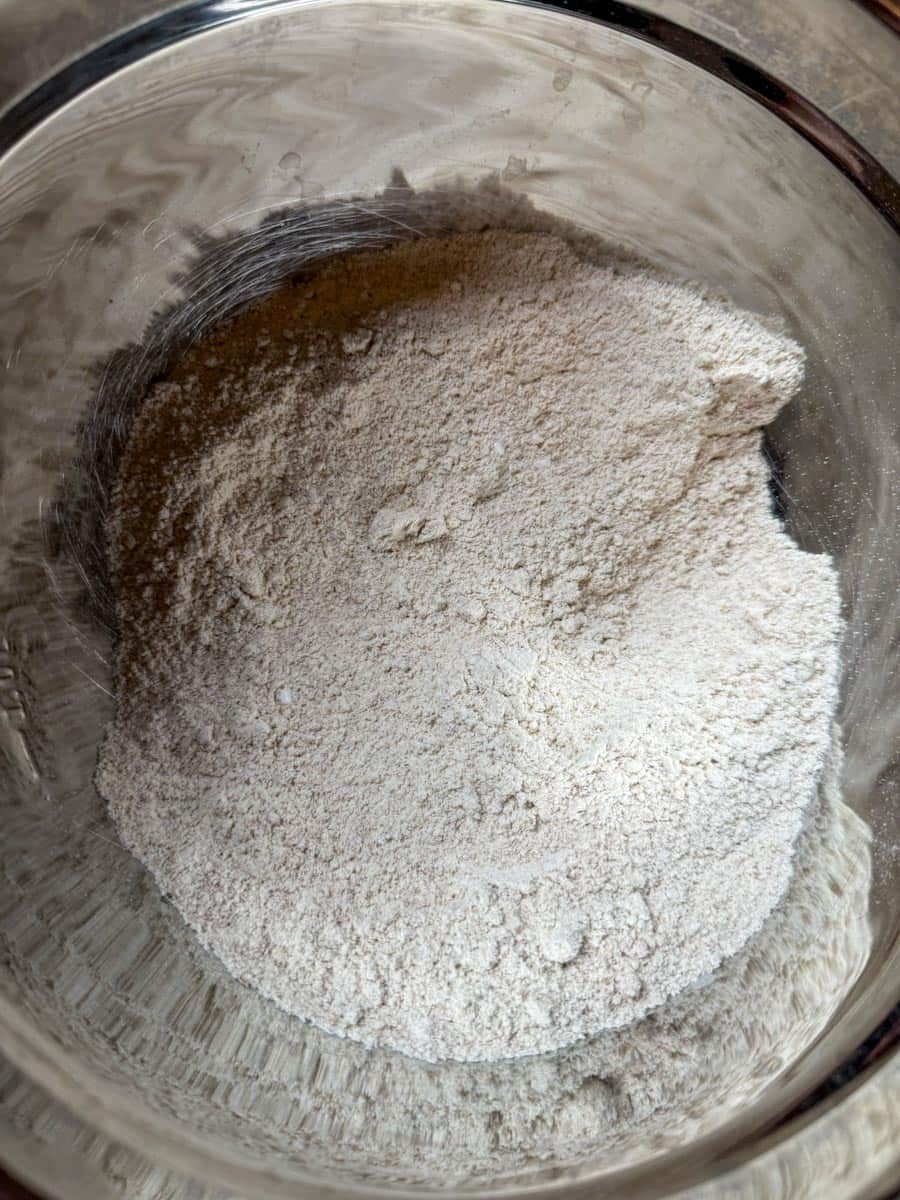
The other day, I was making lasagna and needed a béchamel sauce. That's a creamy white sauce usually thickened with a mixture of flour and butter, called a roux.
I simply used freshly milled hard white wheat flour instead of all-purpose flour, and it did the job.
You can use freshly milled flour to thicken other sauces, gravies, and stews, too.
Of course, some recipes will need more adjustments than others.
And if you're completely new to freshly milled flour, I wouldn't start with a plain artisan sourdough loaf.
Why pancakes and muffins are easier
With pancakes and waffles, you're working with a batter rather than a dough that needs to hold its shape.
You don't have to worry as much about developing gluten strength or getting the dough to rise properly.
Muffins are another good option because their structure comes mainly from the batter setting during baking, rather than from a long fermentation.
If you want somewhere to begin, try my fresh milled sourdough pancakes or fresh milled banana muffins with applesauce.
Both are good ways to get familiar with the texture of freshly milled flour without dealing with bread shaping and proofing.

Why plain bread can be more difficult
This might sound strange, but I actually find freshly milled sourdough brioche dough easier to work with than plain artisan sourdough dough.
Brioche is a rich, soft bread made with ingredients like butter and eggs. It's what bakers call an enriched dough, meaning it contains more than the basic flour, water, salt, and yeast or starter.
Those extra ingredients affect the dough's softness and texture.
Plain sourdough bread, on the other hand, relies heavily on the flour's gluten structure to hold its shape and trap gas as it rises.
And when the flour behaves differently from what you're used to, that can make things more challenging.
I'm not saying brioche is necessarily easy for beginners. I just find the switch to freshly milled flour more forgiving in enriched doughs.
If your goal is to make bread, I'd suggest trying a sandwich loaf before attempting a free-standing artisan boule. A boule is simply a round loaf shaped without a pan.
A loaf pan supports the dough as it rises, so you don't have to worry quite as much about it spreading outward.
My 100% fresh milled sourdough loaf pan recipe is one way to try it.
Or, if you'd rather ease into whole-grain baking, you could start with my mixed fresh-milled flour sourdough sandwich bread, which combines freshly milled flour with all-purpose flour.
4. Sifting Fresh Milled Flour Is Optional
Another question that comes up all the time is whether you should sift the bran out of freshly milled flour.
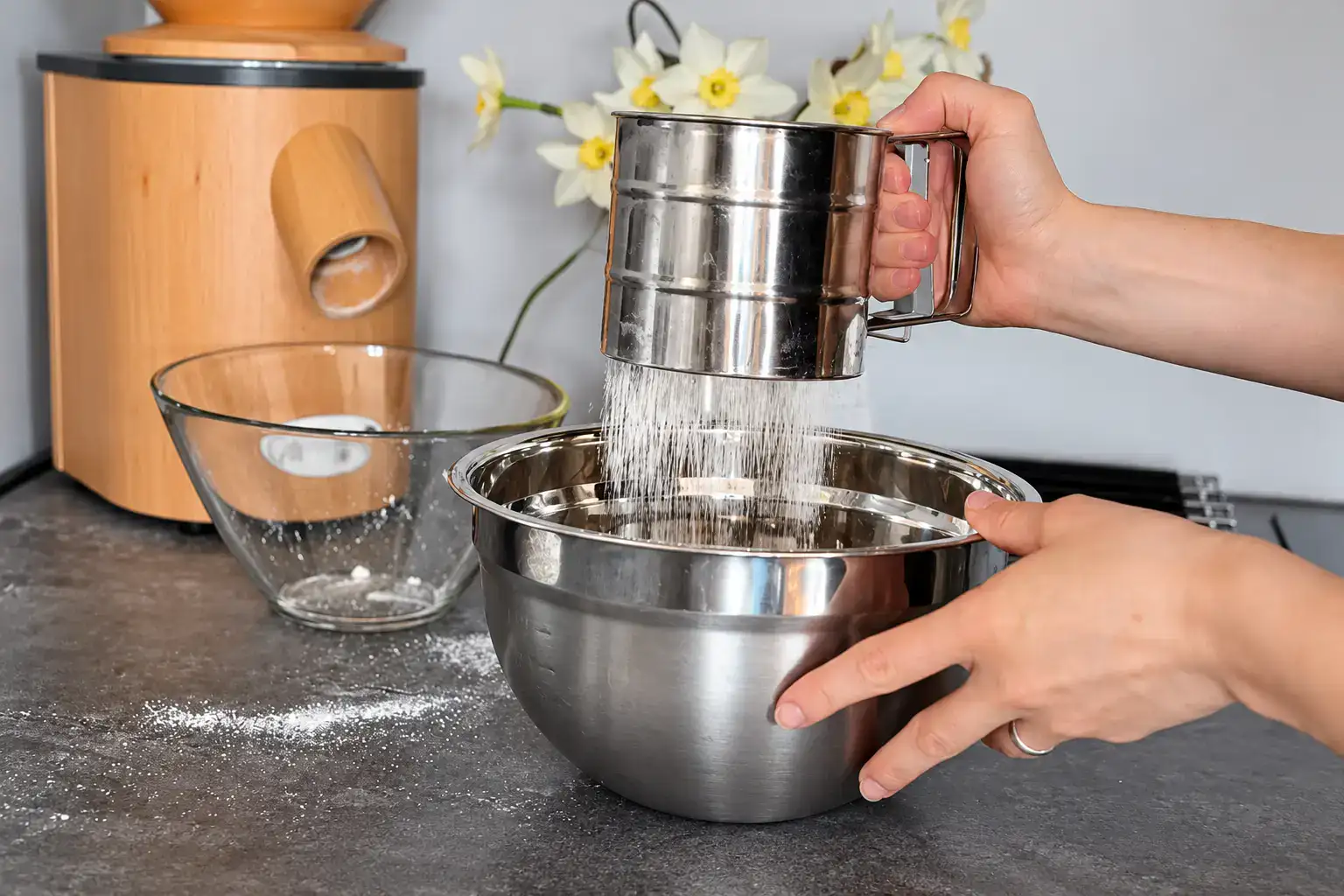
Sifting simply means passing flour through a fine mesh sieve or strainer to separate some of the larger particles, including bran.
And I think whether you should do it depends on what you're making and what kind of result you want.
Bran particles can interfere with the gluten network that helps bread dough stretch and hold the gas produced during fermentation.
When you sift out some of the larger bran particles, the flour can become easier to work with and produce a lighter texture.
But you're also removing some of the fiber and nutrients that come with using the whole grain.
So there's a trade-off.
Why I usually don't sift my flour
I mainly bake with sourdough, and I've found that longer fermentation makes quite a difference to the texture of freshly milled dough.
During sourdough fermentation, the wild yeast and bacteria in your starter break down sugars and produce gas and acids. That process gives sourdough its rise and characteristic flavor.
In my experience, the bran softens considerably during a longer fermentation. I don't notice that rough texture nearly as much, and the dough feels easier to work with.
That's one reason I usually leave the bran in.
Some bakers also remove bran because it contains phytic acid, a natural compound that can bind certain minerals. Sourdough fermentation can reduce some of that phytic acid, although the amount depends on how the dough is fermented.
For me, though, the biggest reason not to sift is simple: I like baking with the whole grain, and I like the results I get.
When would I sift?
Sometimes, if I'm making pancakes that won't be fermented for very long, I'll sift out a little bran to make them lighter.
But when I'm making long-fermented sourdough, I usually don't bother.
And remember, a regular kitchen sieve doesn't necessarily remove all the bran anyway. Depending on how finely the flour is milled and the sieve you're using, quite a bit can remain.
If you prefer the texture of sifted flour, there's nothing wrong with using it.
I'd just encourage you to try baking with unsifted flour too, especially if you're making sourdough. You might find that you like it just as much.
5. You Don't Need Special Additives to Bake with Fresh Milled Flour
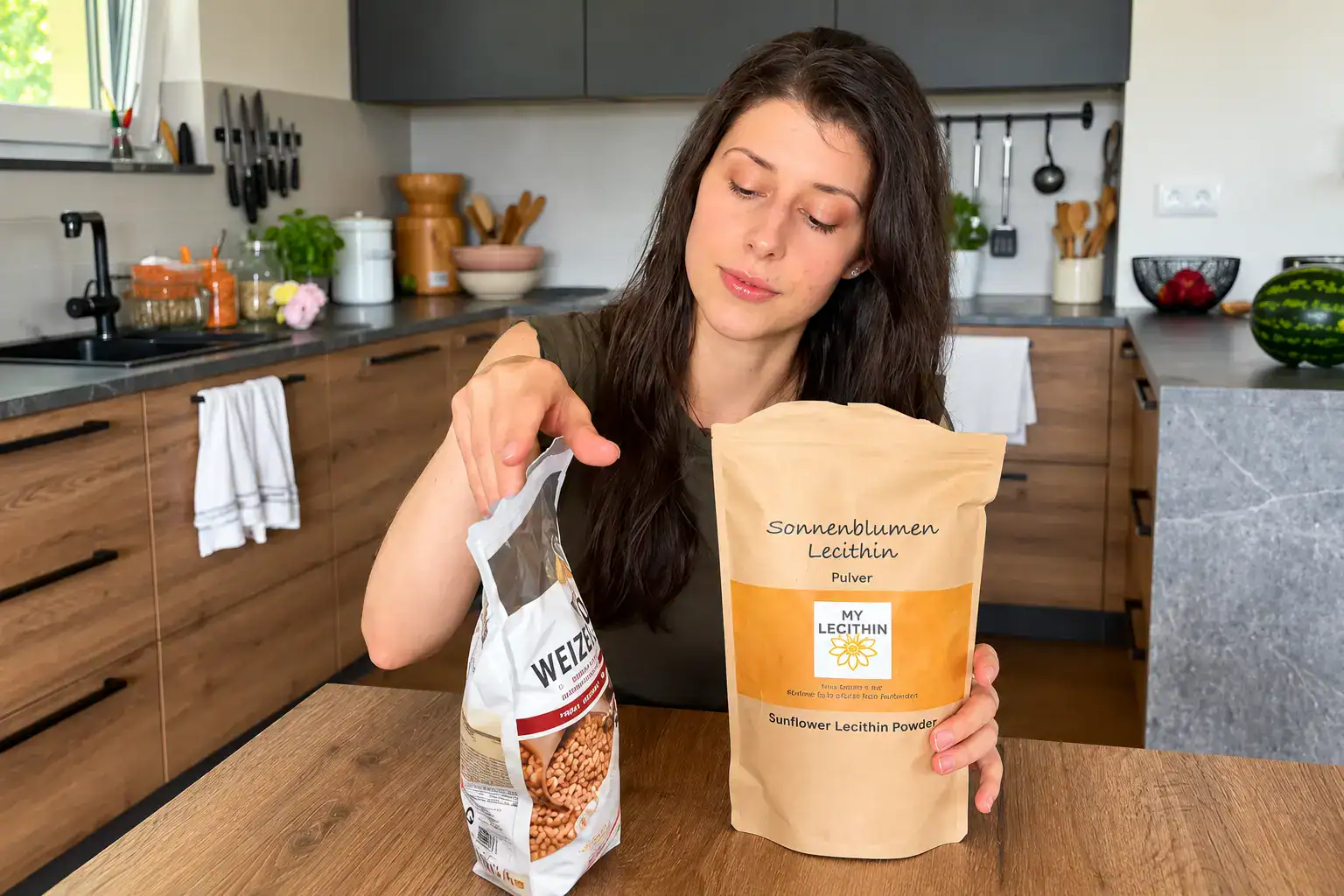
If you've been researching freshly milled flour baking, you've probably come across two popular ingredients: vital wheat gluten and sunflower lecithin.
I bought both because I'd heard so many people say they made a big difference.
But after a few months, my containers were still almost full.
I've experimented with them, and I haven't been particularly impressed with the difference they make in my own bread.
That doesn't mean they don't work. I just haven't found them necessary.
What does vital wheat gluten do?
Vital wheat gluten is concentrated gluten extracted from wheat.
Bakers add it to dough to increase the amount of gluten-forming protein. This can help make the dough stronger, stretchier, and better able to hold the gas produced during fermentation.
That can be useful in whole-grain bread because bran interferes with gluten development.
I understand why people use it.
But in my experiments, I haven't noticed enough improvement to make it worth adding to my everyday bread.
Other bakers have had different experiences, so I wouldn't tell you never to use it. Just don't assume it's something you have to buy before you can make good bread.
What about sunflower lecithin?
Sunflower lecithin is an emulsifier, which means it helps ingredients like fats and water mix together more evenly.
In bread dough, it can contribute to a softer texture and may help the finished bread stay soft longer.
Egg yolks naturally contain lecithin too, although adding an egg changes other things in the recipe, so it isn't an exact substitute for lecithin powder.
Again, I've tried sunflower lecithin and haven't noticed a big enough difference to keep using it.
If you're curious, experiment with it. You may find that it works well for certain recipes.
But if you're just starting with freshly milled flour, I'd focus on learning how your dough behaves before adding more ingredients to the mix.
One More Thing: Fresh Milled Sourdough Can Ferment Faster
There's one more difference I really want to mention, especially if you're already comfortable making sourdough with all-purpose flour.
Freshly milled sourdough can ferment surprisingly fast.
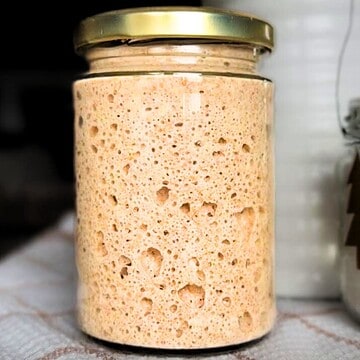
A sourdough starter is a fermented mixture of flour and water containing wild yeast and bacteria. When it's active, it produces the gas that helps bread rise. If you're unsure whether yours is ready, here's how to tell when your sourdough starter is ready to use.
When I make sourdough with all-purpose flour, my bulk fermentation usually takes somewhere between six and ten hours, depending on the temperature in my kitchen.
But I've had freshly milled sourdough dough finish bulk fermentation in around three hours.
Seriously. Sometimes it's that quick.
Bulk fermentation is the first rise after you mix the dough with your sourdough starter, before shaping it into a loaf.
Freshly milled flour may support faster fermentation because of differences in its composition and enzyme activity, but there's no universal fermentation time. The grain, temperature, starter strength, and amount of starter all matter.
Watch the dough instead of following the clock
If you're used to a certain sourdough schedule, don't assume it will work exactly the same with freshly milled flour.
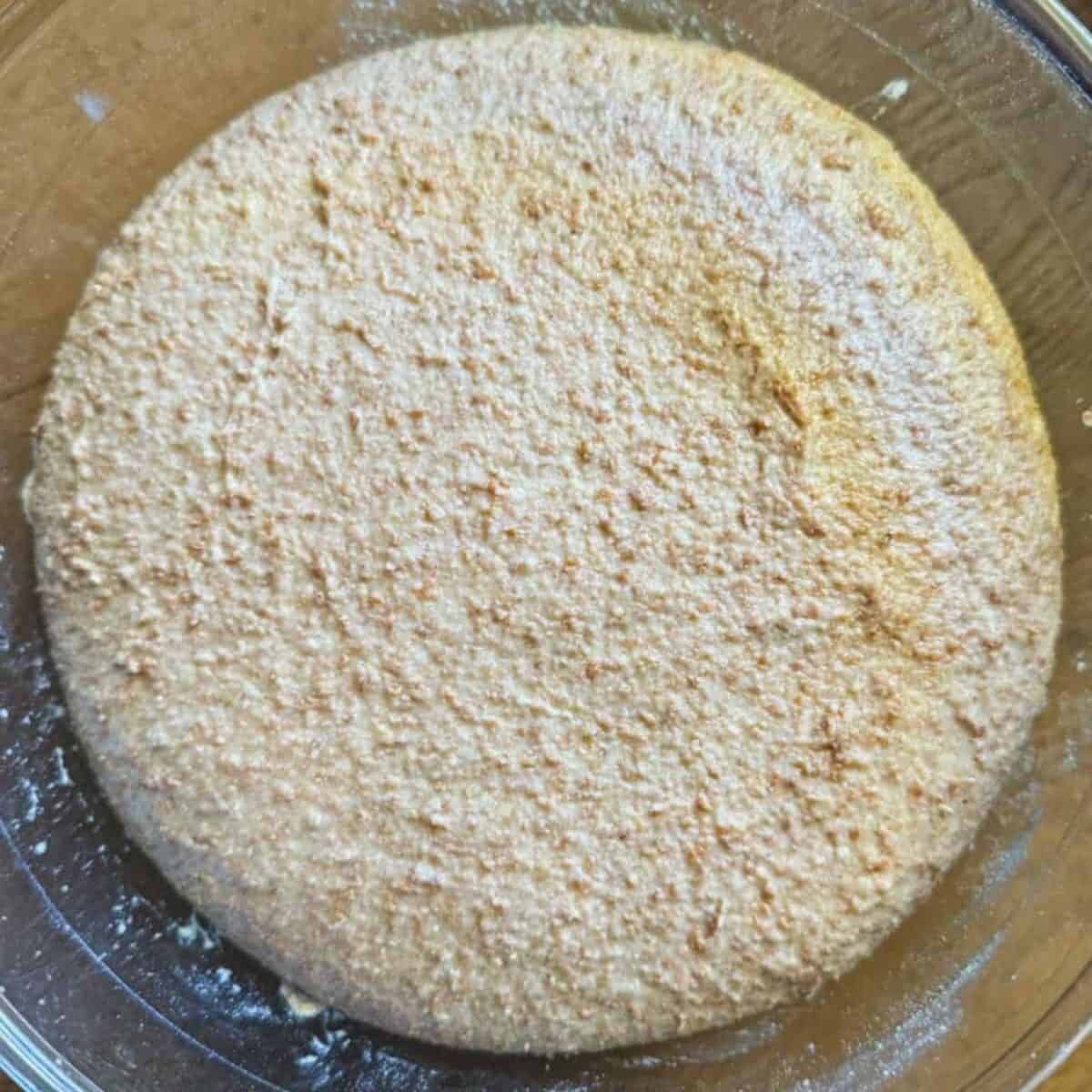
During bulk fermentation, look for the dough becoming noticeably larger, lighter, and airier, often with bubbles around the edges or surface.
The dough should show signs of activity and rising, but how much it needs to rise before shaping depends on your recipe and dough temperature.
For a more detailed explanation, read my bulk fermentation tips for beginners.
After shaping, your dough goes through a final proof, which is its last rise before baking. This stage can also move faster than you expect, so pay attention to the dough instead of relying only on the time printed in a recipe.
If your loaf seems to be rising much faster than usual, check it sooner. You don't have to leave it sitting for six hours just because that's how long your regular white-flour sourdough takes.
A trick I use when batch baking
I often make several things at once, sometimes with freshly milled flour and sometimes with all-purpose flour or a mixture of the two.
Because the freshly milled dough tends to ferment faster, I'll sometimes use a little more starter in the all-purpose dough.
Adding more active starter generally speeds up fermentation, so that can help bring the two doughs closer to the same schedule.
It isn't an exact formula, and you still need to check each dough individually.
But it's a useful adjustment when you're making several batches of sourdough at once.
Don't Judge Your Fresh Milled Bread by Its Crumb
One last thing.
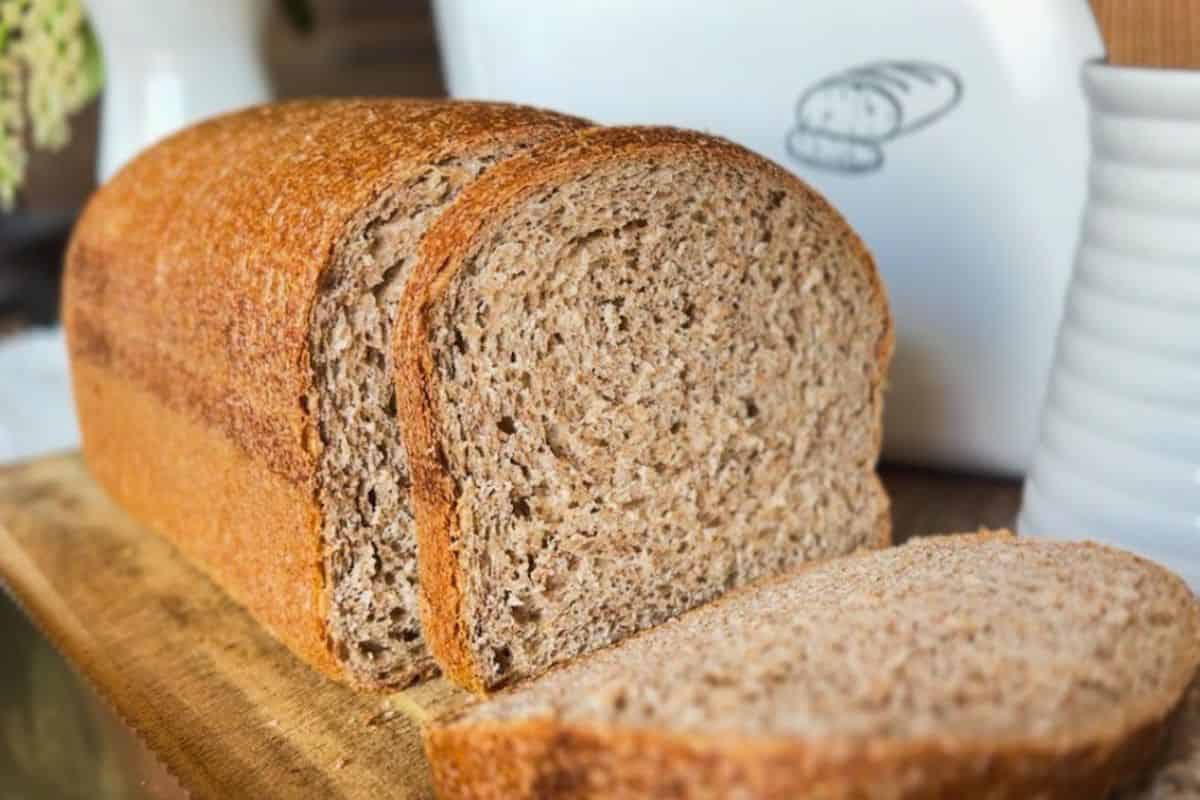
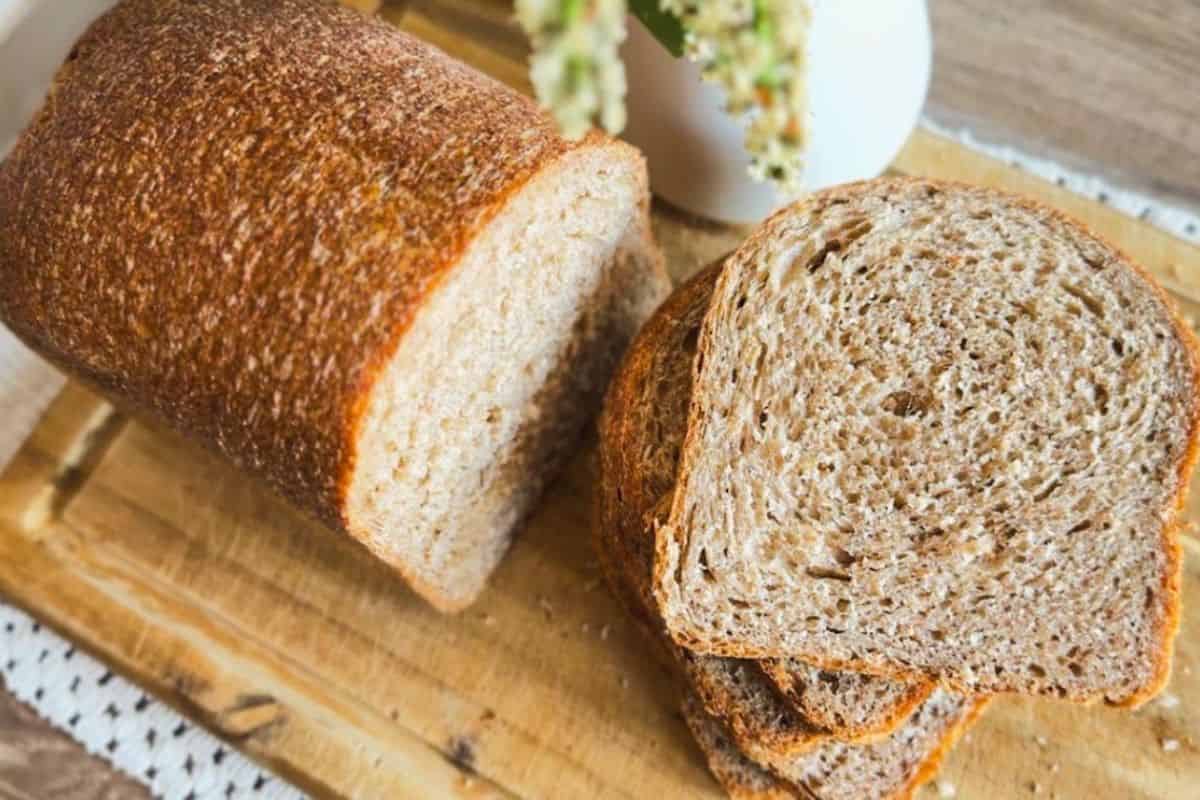
When you're baking with 100% freshly milled whole-grain flour, you shouldn't necessarily expect the same light, open crumb you see in white-flour artisan sourdough.
The crumb is simply the inside of the bread, including the little holes formed as the dough rises.
Whole-grain bread often has a tighter crumb and a more substantial texture. That's normal, although you can certainly make lighter whole-grain loaves with practice.
I think we sometimes get too caught up in how bread is supposed to look, especially with all the beautiful sourdough photos online.
But there isn't one objective standard for good bread.
In many Northern European countries, for example, people enjoy dark, dense rye breads. They aren't trying to make those breads look like an airy white sourdough boule.
And I think that's a good reminder.
If your freshly milled bread tastes good and has a texture you enjoy, don't worry too much about whether it has the biggest holes or the perfect shape.
Start with a grain you like, give the flour enough time to absorb water, and learn how your dough behaves. That's what will make the biggest difference.