Mockmill 200 Review: Is the Lino 200 Worth It After a Year?
If you're looking for a Mockmill 200 review before spending several hundred dollars on a grain mill, I've been using my Lino 200 for over a year now, and I'm happy to share what I've learned.
I've milled flour for everything from sourdough bread to cinnamon rolls and pancakes. It's fast, easy to use, and has become such a normal part of my baking routine that I barely think about it anymore. But it's also louder than I expected!
So, is the Mockmill 200 worth the money? For the amount I bake, I'd definitely buy it again. But if you're only making one loaf of bread a week, the less expensive Mockmill 100 might be all you need.
Quick Look: My Mockmill Lino 200 Review
- My verdict: I'd buy it again after more than a year of regular use.
- Best for: Frequent bakers and anyone milling larger batches.
- Biggest advantage: Speed - approximately 200 g of wheat per minute.
- Biggest drawback: It's noisy, and the initial cost is high.
- Cleaning: Minimal day-to-day maintenance with suitable grains.
My take: The Mockmill 200 is worth considering if you bake often. If you only mill flour occasionally, I'd save the money and consider the 100 instead.
Why I Chose the Mockmill Lino 200
Before buying my first grain mill, I did quite a bit of research. I watched what felt like every grain mill review on YouTube, asked questions in Facebook groups, and talked to people who already owned one.
I looked into Mockmill, NutriMill, and WonderMill, but the Lino 200 seemed like the best choice for how I bake.
I bake several times a week, sometimes almost every day in winter. And I often have more than one recipe going at once. I might be making sourdough bread while preparing cinnamon rolls or pizza dough.
I wanted a mill that wouldn't make baking feel like more work.
That's what I've come to appreciate most about this one. Milling flour now feels about as complicated as pouring water from a filter jug. It's simply another step in my routine.
Prefer watching? Here's my full Mockmill Lino 200 review, including what I love, what I don't, and how loud it really is!
fresh-milled sourdough course
Want to master fresh-milled sourdough?
15 step-by-step video lessons, 4 sourdough recipes, and lifetime access
Mockmill 100 vs. 200: Which One Do You Need?
The main practical difference between the Mockmill 100 and 200 is how quickly they mill flour.
Both Lino models use corundum-ceramic milling stones and can grind grains from coarse to fine. The 200 has a more powerful motor and mills wheat approximately twice as fast.
Here's what that means when you're preparing flour:
| Wheat | Mockmill 100 | Mockmill 200 |
|---|---|---|
| 400 g | ~4 min | ~2 min |
| 500 g | ~5 min | ~2.5 min |
| 1 kg | ~10 min | ~5 min |
Approximate wheat-milling times. Actual times depend on the grain and grind setting.
How I'd choose between them
- I'd choose the Mockmill 100 if I were making one loaf a week and only needed 400-500 g of flour. Waiting another two or three minutes wouldn't bother me.
- I'd choose the Mockmill 200 if I were baking several times a week, making multiple recipes, or regularly milling around 1 kg of grain.
I often need that larger amount, so the extra speed makes sense for me. And since I was buying a machine I hoped to use for many years, I was willing to spend a little more.
The bottom line: Don't pay extra for speed you won't use.
One thing worth mentioning: I own the Mockmill Lino 200, which has a wood housing. Mockmill also sells other versions of its 100 and 200 mills, so check the exact model when comparing features and prices.
I haven't personally tested the Mockmill 100 side by side with my Lino 200. My recommendation is based on the manufacturer's milling rates and how much flour I use.
How I Use My Mockmill Lino 200
Let me show you what milling flour looks like on an ordinary baking day.
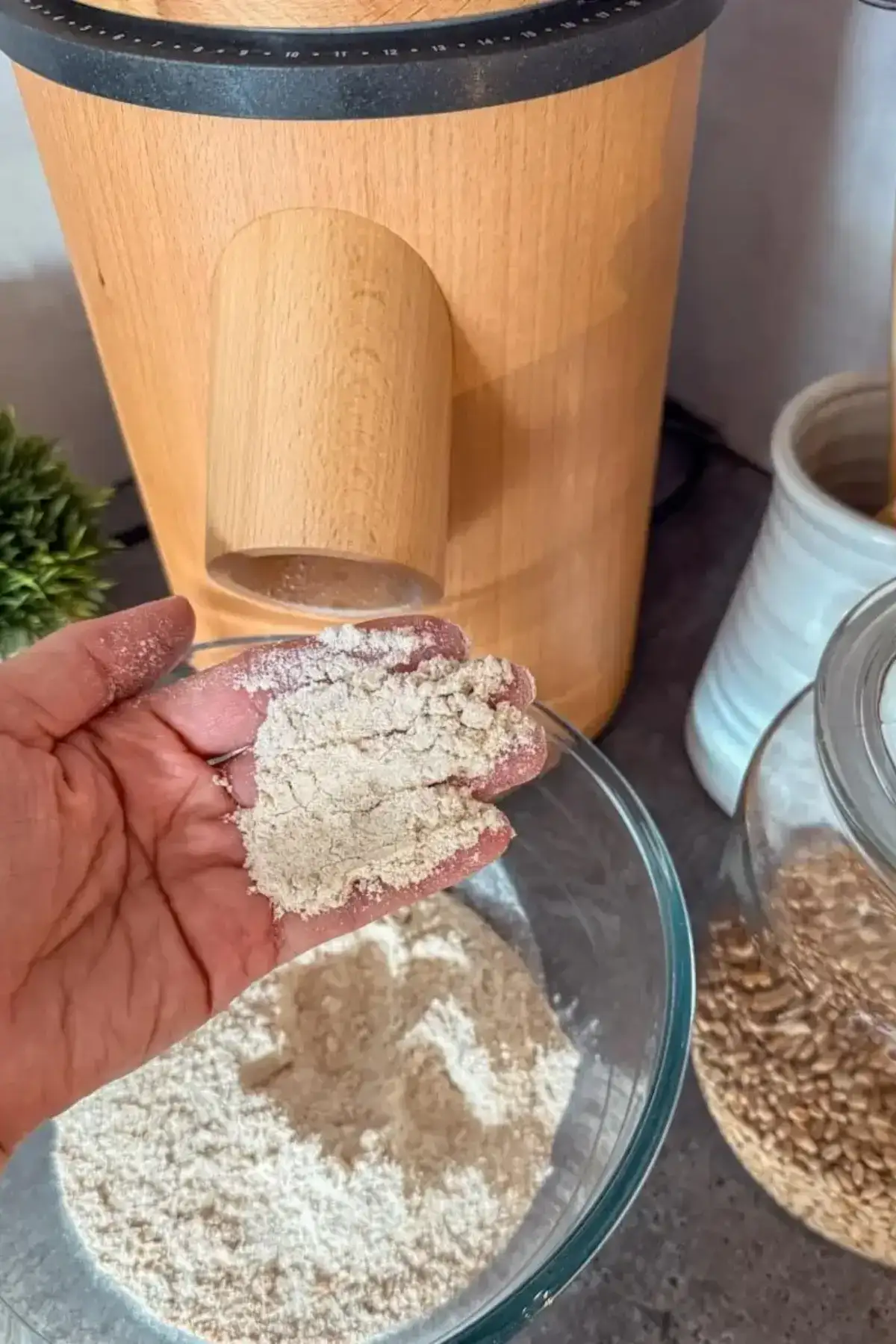
When I filmed my review, I already had sourdough bread fermenting, but I also needed 400 g of flour for cinnamon rolls. I was using hard red wheat berries.
Here's the process:
- Weigh the grain. I measure 400 g of wheat berries using a bowl and kitchen scale.
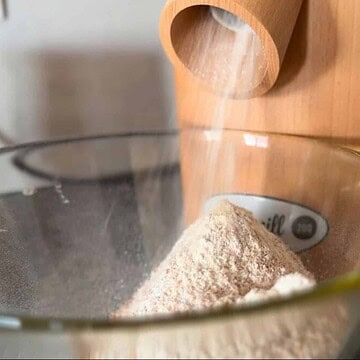
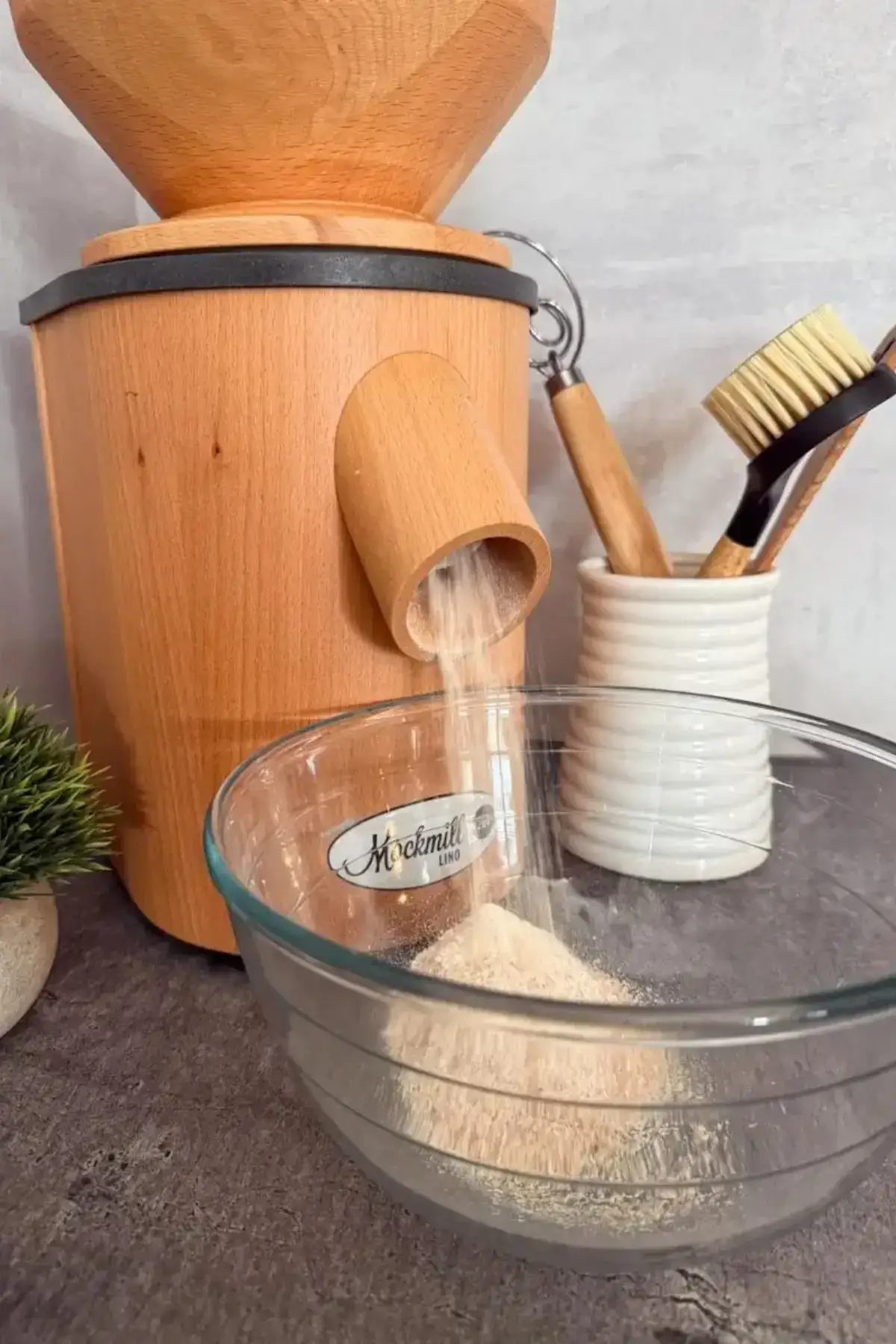
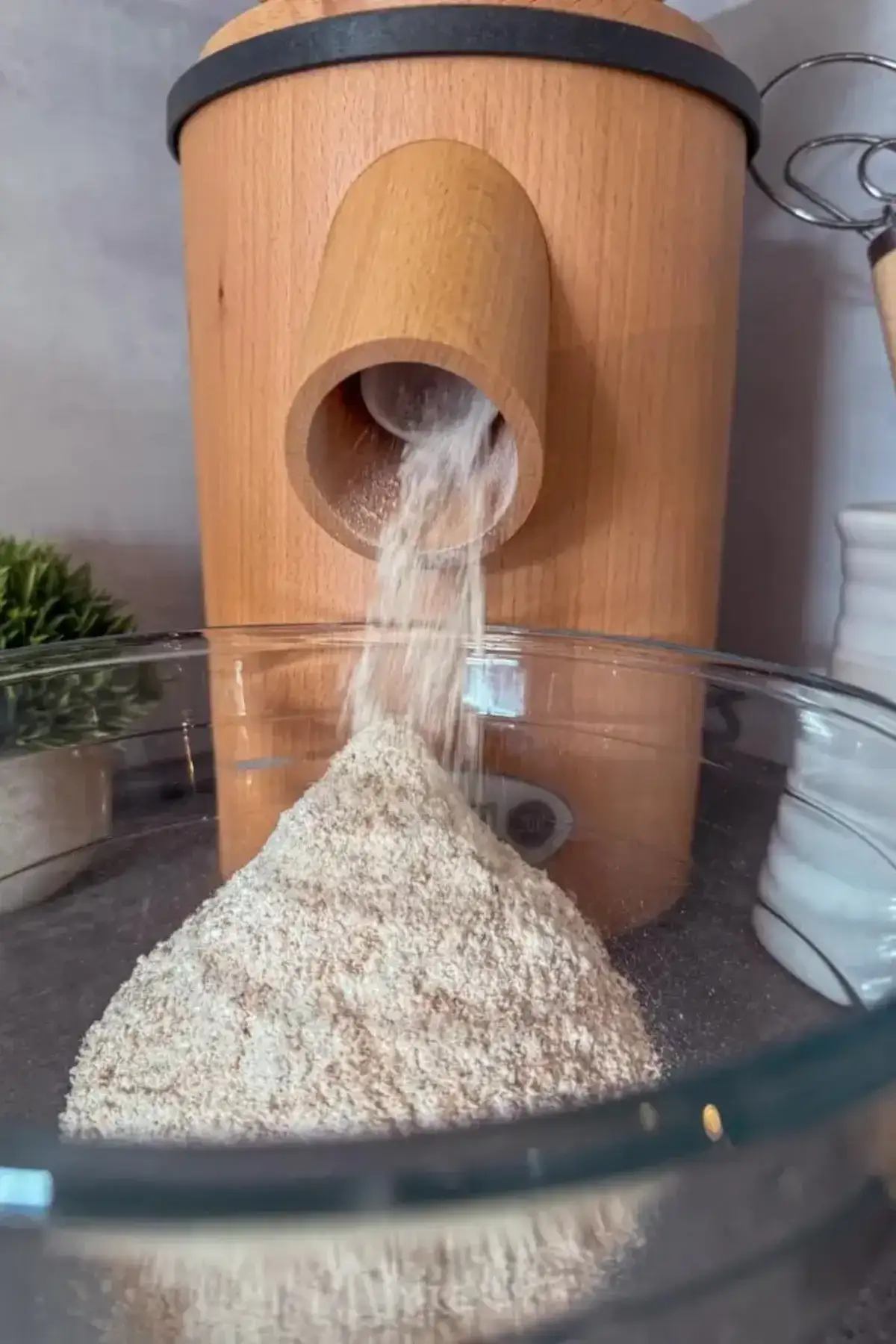
- Position a bowl under the chute. The freshly milled flour comes directly out of the machine.
- Choose the grind setting. For cinnamon rolls, I want finely milled flour rather than a coarse meal.
- Switch on the mill. Always turn it on before adding the wheat berries.
- Pour the grain into the hopper. The mill starts grinding, and the flour comes out into the bowl below.
- Let the grain finish milling before switching the machine off.
About two minutes later, I have 400 g of freshly milled flour ready for my recipe.
A little trick that makes milling even easier
One feature I really appreciate is that the flour collects outside the machine, directly in my bowl.
When I'm making something simple like pancakes or crepes, I can get started on the other ingredients while the wheat is milling. I'll crack the eggs, add butter or sugar, and by the time I'm done, the flour is usually ready too.
I don't have to wait for one step to finish before starting the next.
It's a small thing, but when you're trying to get breakfast or dinner on the table, those few minutes are nice to have!
What I Like Most About My Mockmill
After a year of using it, these are the things that make me especially happy with my choice:
- It's quick enough for everyday baking. I can mill what I need and move straight on to preparing the dough.
- The flour comes directly into my bowl. No separate flour container to empty, and fewer dishes to deal with.
- I can use it for more than bread flour. I've milled wheat, buckwheat, and beans, and I regularly make cream of wheat using a coarser setting.
- It needs very little routine cleaning. There's usually just a little leftover flour to deal with after milling.
I particularly like making cream of wheat. I grind the wheat more coarsely, cook it in milk, and my kids love it.
Of course, you do need to check which ingredients are suitable for your mill. Oily or damp ingredients can cause problems with the stones.
What I don't love
There are two things I'd want to know before buying.
1. It's louder than I expected.
This honestly surprised me. I'd watched so many grain mill reviews before buying mine, but most of the videos had the sound turned down or removed.
The Mockmill is quite noisy, especially when the grain is going through the stones.
I've left the real milling sound in my video so you can hear what it's like. Luckily, I'm usually only running the machine for a few minutes, so it doesn't bother me too much.
2. It's a significant purchase.
Grain mills aren't cheap. I even waited for Black Friday when I was planning to buy mine, hoping to find a good deal, but that didn't really help.
I think the investment makes sense if you know you'll use fresh-milled flour regularly. But if you're still experimenting, I'd make sure it's something you enjoy before spending the money.
Is the Flour Fine Enough for Sourdough and Other Baking?
Yes. I've never had a problem getting flour fine enough for my baking.
I've used my Mockmill for:
- Artisan sourdough loaves
- Everyday sandwich bread
- Cinnamon rolls and burger buns
- Pizza dough
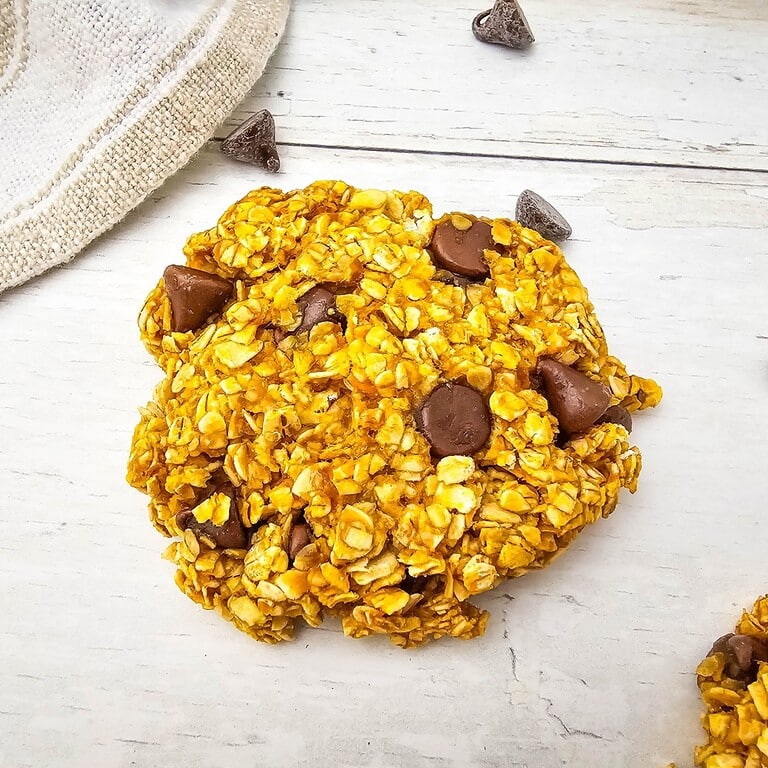
- Pancakes and cookies
But there's something important to understand, especially if you're new to milling grain.
Finely milled whole wheat flour still isn't the same as white all-purpose flour.
When you mill whole wheat berries, the bran and germ stay in the flour. They affect how the flour absorbs water and how your dough behaves, even when the flour is very finely ground.
I find that giving freshly milled flour time to absorb water helps, and sourdough fermentation can be particularly useful here.
If you're wondering why your dough feels different, I explain more in my guide to fresh-milled flour vs. all-purpose flour.
Does the flour get too hot?
My flour is usually warm when it comes out of the Mockmill, but I've never noticed it becoming uncomfortably hot.
And since my kitchen is cold for a good part of the year, I actually appreciate that warmth when I'm making sourdough.
Slightly warmer flour can raise the dough temperature and help fermentation get going. If I want to start with cooler dough, I can use colder water to balance things out.
Warm flour doesn't automatically mean something is wrong with your mill. If you're concerned about the temperature, it's better to measure it rather than guess by touch.
How Much Cleaning Does the Mockmill Need?
Thankfully, not much!
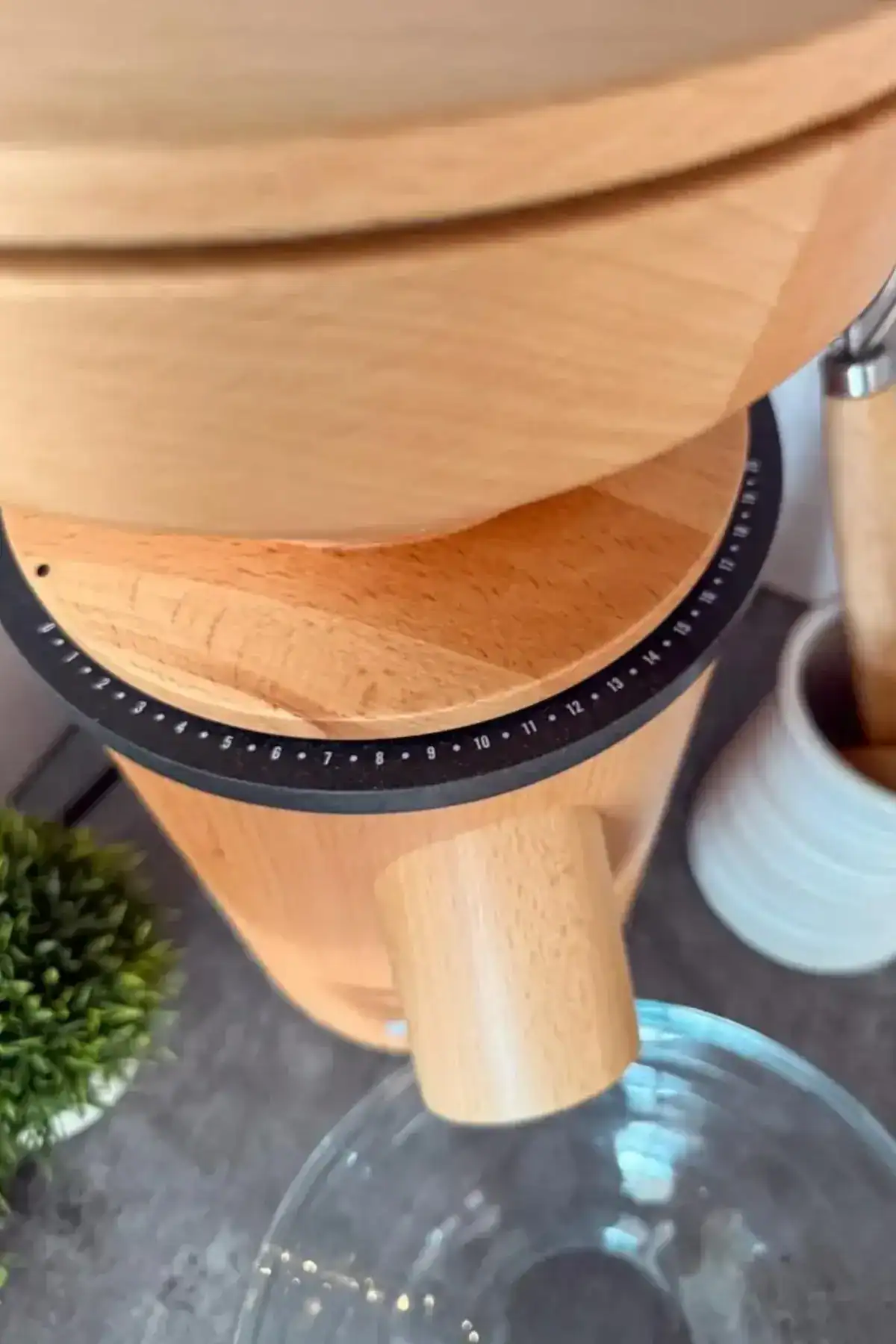
After normal milling, there's usually just a little loose flour left around the chute. Once the mill is switched off and unplugged, I can remove any accessible residue.
I don't have to wash the stones or take the machine apart after every batch.
I did once manage to get some residue stuck to the stones after milling something I shouldn't have. Fortunately, running dry rice through the mill cleaned them up.
A few things I'd remember when caring for a grain mill:
- Use dry, suitable ingredients. Oily or damp ingredients can clog the stones.
- Unplug before cleaning. Never put your fingers into a running mill.
- Don't wash the milling stones with water.
- Follow the manufacturer's instructions if residue builds up or the mill stops grinding properly.
Cleaning methods can depend on the model and the type of residue, so always check your manual before trying to clear a blockage.
For normal everyday use, though, I've found the Lino 200 very easy to look after.
Would I Buy the Mockmill Lino 200 Again?
Yes, I would. But I don't think everyone needs the 200 model.
After more than a year, I'm still happy with my decision. It mills the amount of flour I need quickly, handles the different grains I use, and doesn't require much effort to maintain.
The noise is probably the one thing I wish I'd known more about beforehand, but I can live with that.
If I were buying my first mill today, here's how I'd decide:
- Baking often or preparing several recipes at once? I'd go with the Lino 200.
- Making one loaf a week? I'd seriously consider saving money with the 100.
- Still new to fresh-milled flour? I'd spend a little time learning how it behaves before investing in a mill.
For me, the best thing about the Lino 200 is that milling my own flour has become part of how I bake. I don't have to think about it or set aside extra time.
I just mill what I need and carry on with my recipe.
Buying a Mockmill in Europe?
If you're in Europe and thinking about buying a Mockmill, you can find the Lino 200 I use, along with other models, at Grainlovers.
You can try my discount code P2025-TB-03 at checkout. I don't currently have a US discount code to share.
This is an affiliate link, which means I may earn a commission if you buy through it, at no extra cost to you.
And if you already own a grain mill, I'd love to know which one you chose. Are you happy with it? Is there anything you wish you'd known before buying?