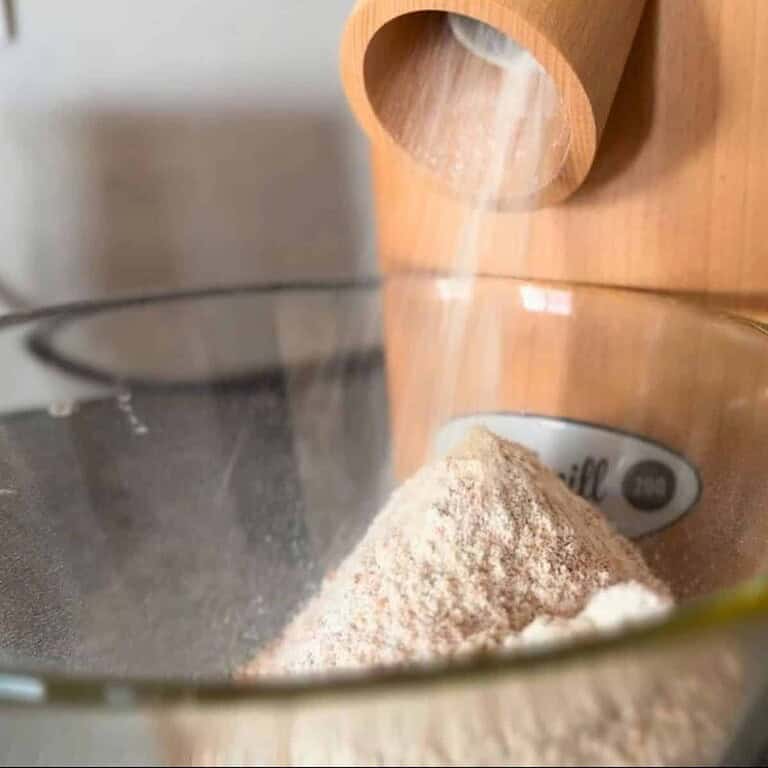
Fresh-Milled Potato Plum Dumplings

These potato plum dumplings with freshly milled flour are perfect for plum season, or anytime you want a nostalgic homemade dessert that feels both rustic and comforting. Whether you grew up eating plum dumplings or this is your first time trying them, this recipe walks you through every step so they turn out soft, tender, and full of flavor.
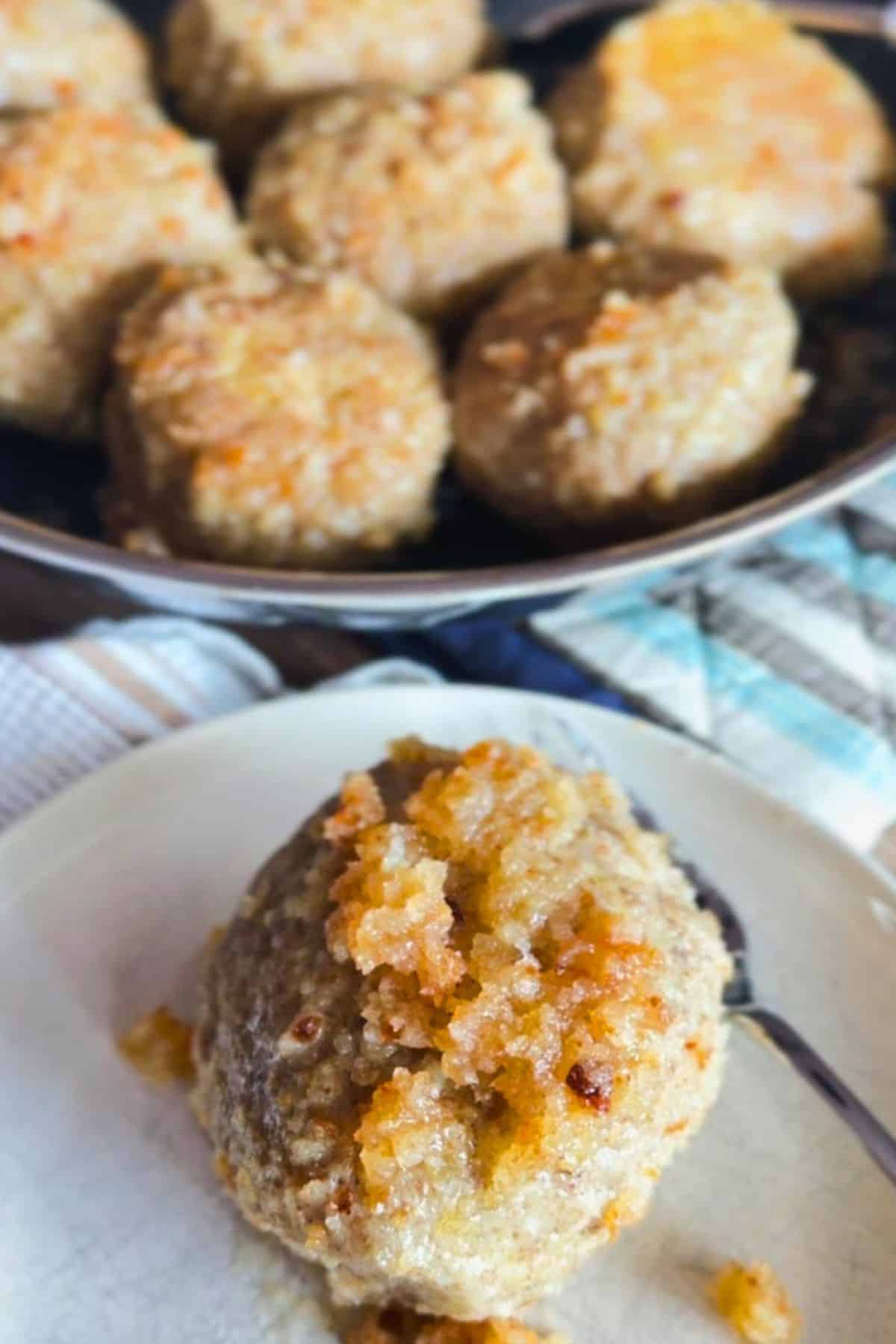
Potato dumplings in general are common across parts of Central and Eastern Europe, where mothers and grandmothers often make them as a comforting dessert-style meal or a side dish. The combination of potatoes and fruit might sound unusual at first, but it works great.
My gandma made potato dumplings frequently, and the ones with a plum inside were my absolute favorite. For many families (mine as well!), these dumplings are tied to childhood memories, harvest season, and homemade meals. Fresh-milled flour adds even more depth and flavor, giving the dough a slightly heartier texture without losing the soft traditional feel.
For more European inspired traditional recipes turned into fresh milled version, you can check out my apple strudel with fresh-milled flour and fresh-milled apple rings recipes!
Summarize & Save This Recipe On:
Quick Look
- Prep Time: 45 minutes
- Cook Time: 45 minutes
- Total Time: 1 hour 30 minutes
- Servings: 8 dumplings (3-4 people)
- Difficulty: Medium
- Baking Method: Boiled
- Best For: Cozy meals, traditional comfort food, plum season
Jump to:
- Summarize & Save This Recipe On:
- Quick Look
- Important Ingredients
- Substitutions & Variations
- How to Make Fresh-Milled Potato Plum Dumplings
- Baking Schedule
- 💭Crucial Success Tips
- Recipe FAQs
- How To Store Fresh-Milled Potato Plum Dumplings
- More Fresh Milled Dessert Recipes
- Fresh-Milled Potato Plum Dumplings
- Need Help Tweaking This Recipe?
- Other Fresh-Milled Recipes You'll Love
fresh-milled sourdough course
Want to master fresh-milled sourdough?
15 step-by-step video lessons, 4 sourdough recipes, and lifetime access
Important Ingredients
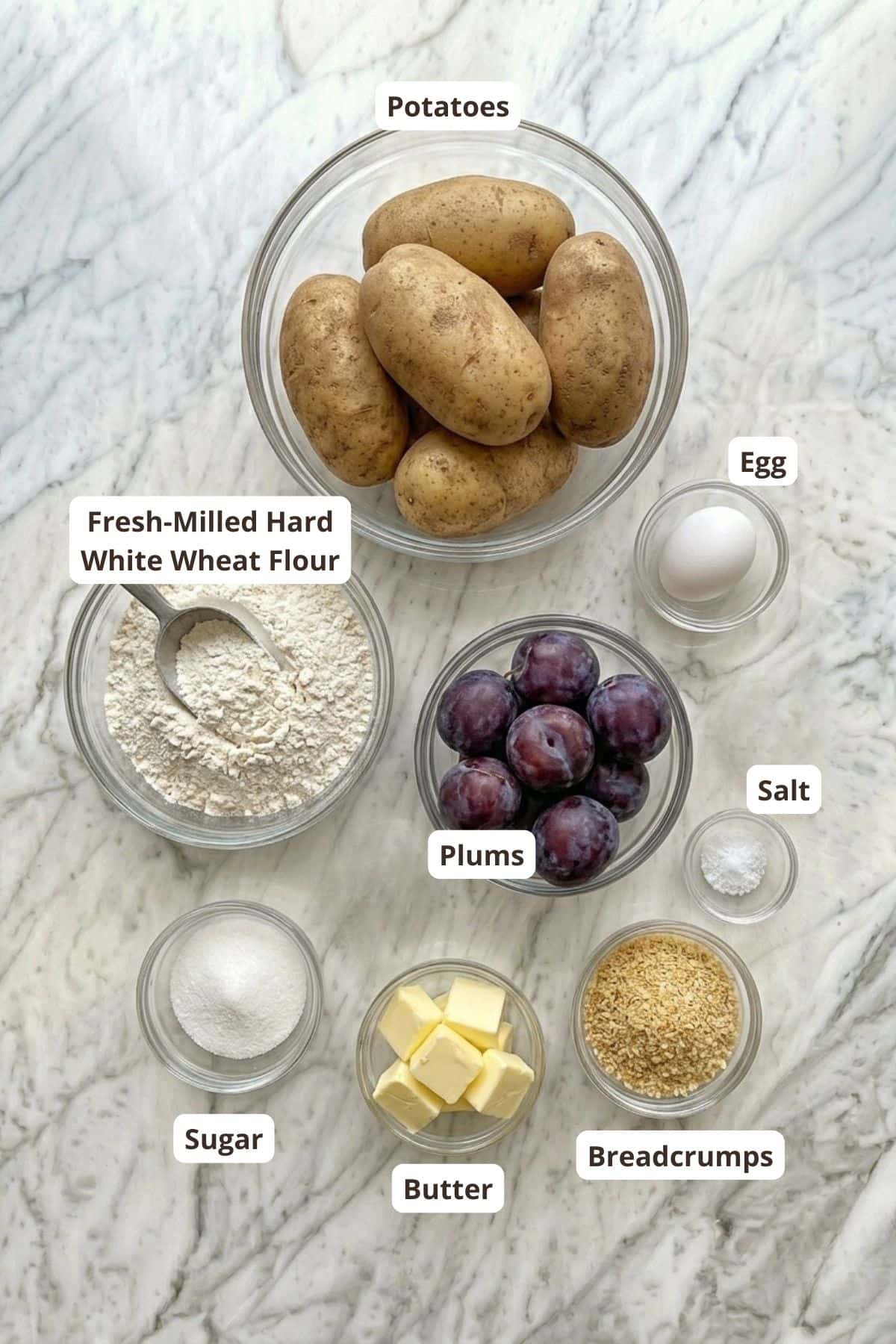
- Starchy potatoes these make the dough soft and easier to work with
- Fresh-milled flour gives the dumplings a heartier texture and flavor
- Plums the sweet center that makes the whole recipe feel special
See recipe card for quantities.
Substitutions & Variations
- Use dried plums if fresh plums are out of season
- Add cinnamon sugar inside the dumplings for extra sweetness
- Finish with honey instead of sugar for a softer flavor
How to Make Fresh-Milled Potato Plum Dumplings
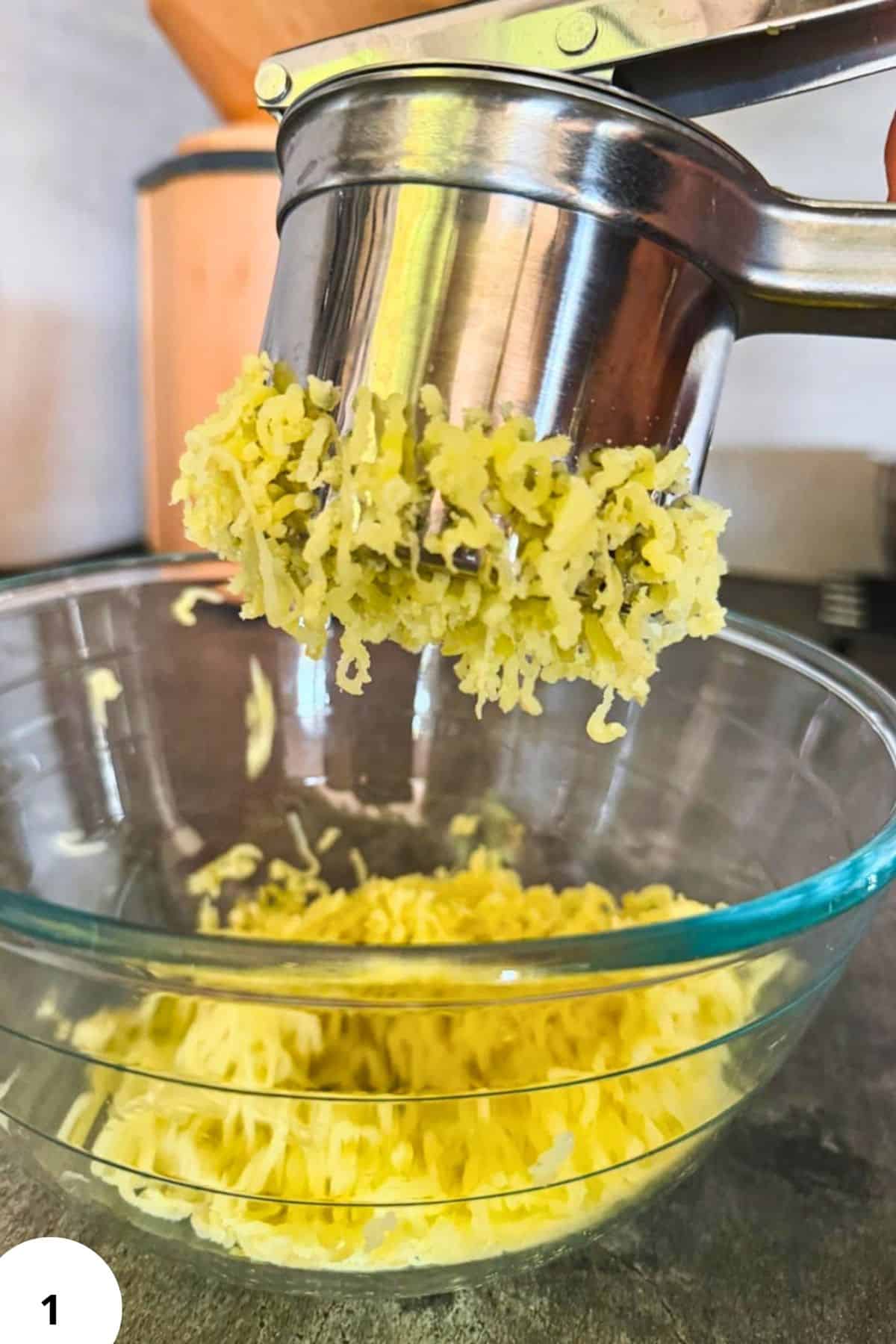
Step 1: Wash the potatoes and boil them whole, skins on, in salted water for about 25-30 minutes, until a knife slides in easily.
Drain and let them cool just enough so you can handle them comfortably.
What you're aiming for:
The potatoes should still be warm when you mash them, not cold. Warm potatoes absorb flour better and give you a smoother dough. If they're completely cold, the dough can feel heavier and harder to bring together.
Peel, then mash or grate them (Image 1). I usually go in with a potato masher and keep it slightly rustic, but without big chunks.
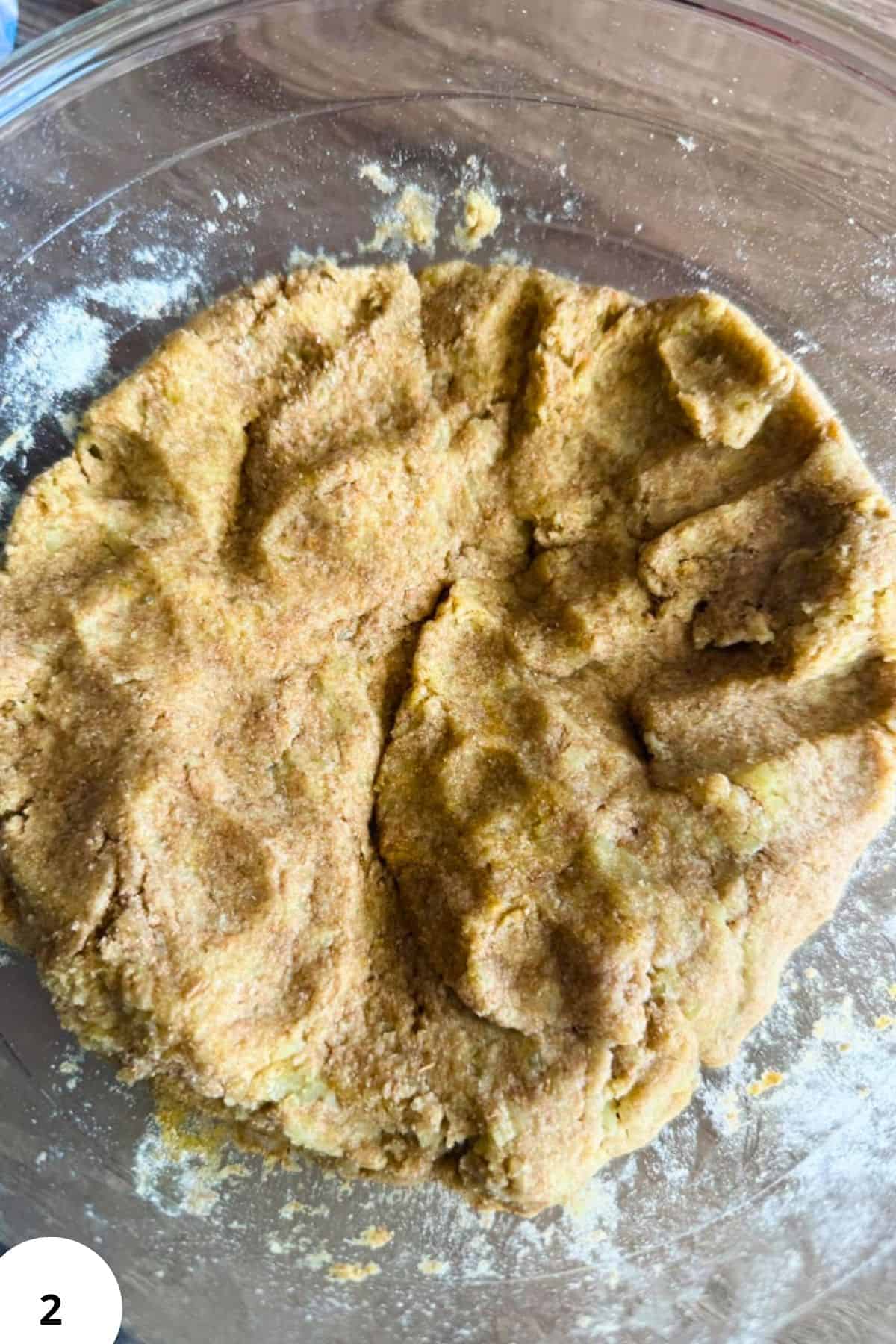
Step 2: Add the flour, salt, and eggs directly to the warm mashed potatoes.
Mix everything by hand until it comes together into a soft dough (Image 2).
What the dough should feel like: Soft and slightly tacky, but not sticking all over your fingers It should hold its shape when pressed, and not be dry or crumbly.
If it's very sticky, add a little more flour, one tablespoon at a time.
If it feels dry or stiff, your potatoes were likely too cool or too dry, you can add a tiny splash of water or just work it a bit more.
Don't overwork it. You're not developing gluten here. Just bring it together.
You can let the dough rest for 15-30 minutes, which makes it easier to roll out.
Long rests (1-2 hours) are not ideal, the dough can become wetter and harder to handle because the potatoes release moisture.

Step 3: Lightly flour your surface and roll the dough to about 0.5 cm thickness (Image 3). I like to roll it into a rectangle shape, so I get 4 squares down, and the rectangle is wide for 2 squares (if that makes sense). If you're feeling lazy, you can just press the dough into a rectangle shape, no need to get your rolling pin out!
Cut into squares, roughly 10×10 cm. You should get about 8 squares.
If the dough sticks while rolling, dust lightly with flour, but don't overdo it or the dumplings will get dense.

Step 4: Place a plum in the center of each square and add a little sugar (Image 4).
Fold the dough around it and gently seal it into a ball.
Make sure the seams are fully sealed so the dumplings don't open while cooking. Roll them lightly between your palms to smooth them out.
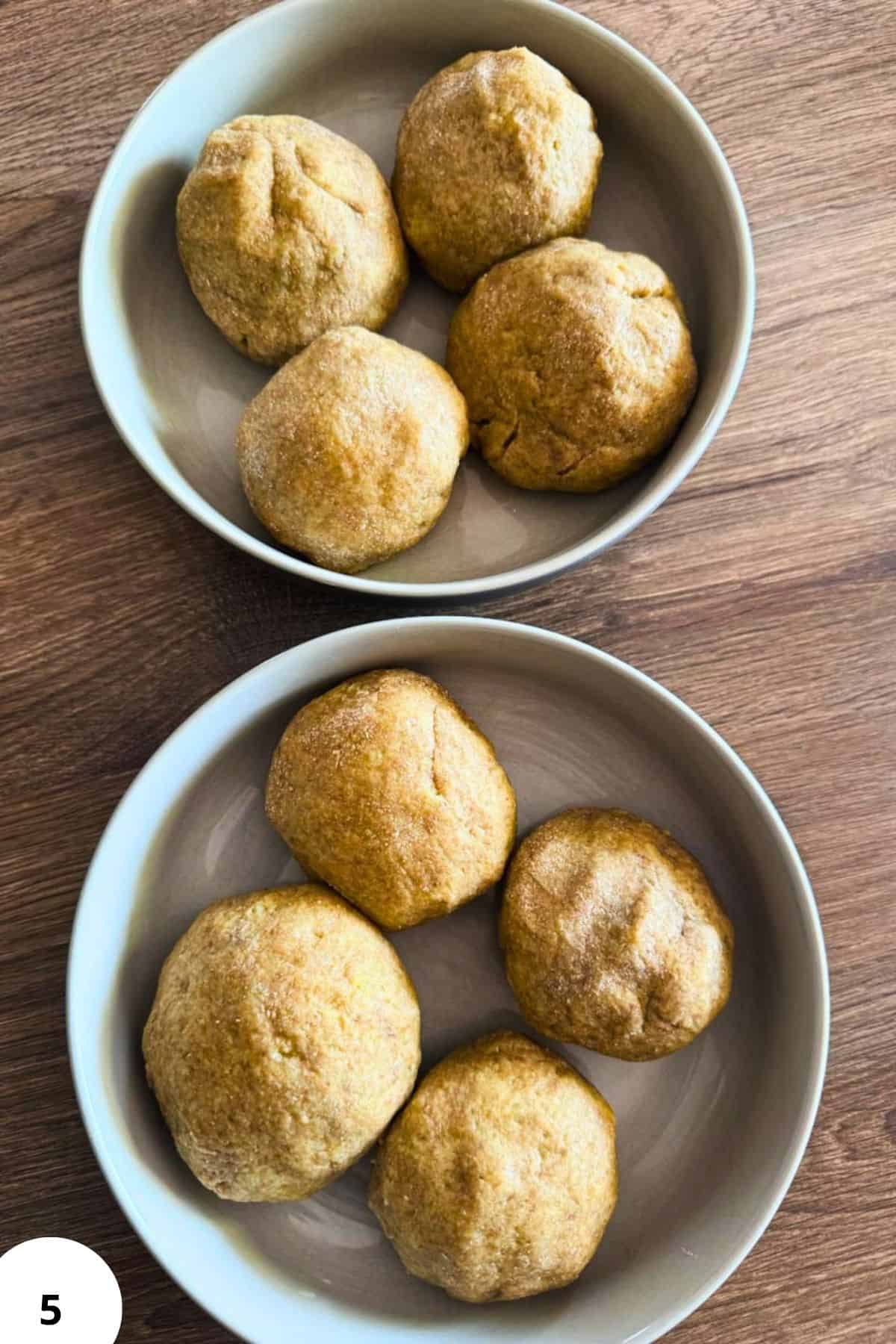
Step 5: At this point, you can place the shaped dumplings on a lightly floured tray, cover them and refrigerate for up to 24 hours (Image 5).
This is perfect if you want to prep everything earlier in the day and just cook before serving.

Step 6: Bring a large pot of salted water to a gentle boil (not a violent rolling boil).
Add the dumplings carefully.
Cook for 10-15 minutes (Image 6).
You'll know when they're done, because they will float to the surface. Let them cook for another 2-3 minutes after floating.
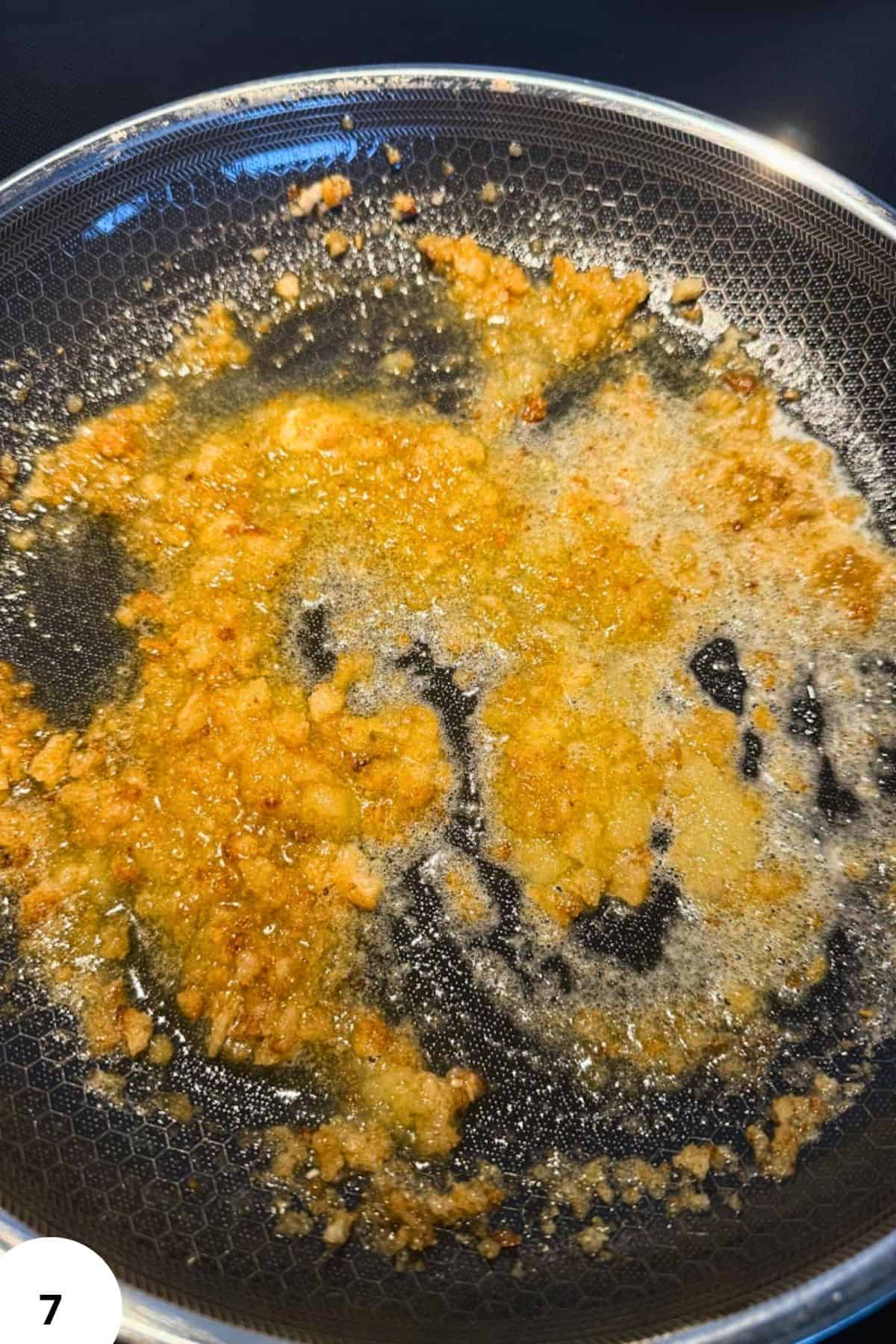
Step 7: Melt butter in a pan over medium heat.
Add breadcrumbs and toast until golden (about 3-5 minutes) (Image 7).
You can add sugar or cinnamon here if you like.

Step 8: Roll the cooked dumplings in the toasted breadcrumbs or spoon the mixture over them.
Serve warm, with extra sugar, honey, or cinnamon if you like (Image 8).
Hint: make sure the dumplings are sealed completely before cooking. Even tiny openings can let water inside and cause them to split.
Baking Schedule
If you want to break the work up throughout the day, here is an easy schedule that works really well:
- Earlier in the day: Boil and mash the potatoes
- 1-2 hours before serving: Make the dough and shape the dumplings
- Up to 24 hours ahead: Refrigerate shaped dumplings on a floured tray
- Right before serving: Boil the dumplings and toast the breadcrumbs
- Serve warm: Best enjoyed fresh while the centers are soft and juicy
This recipe works especially well for weekend cooking or family dinners because most of the prep can be done ahead.
💭Crucial Success Tips
The most important part of this recipe is balancing the moisture in the potato dough. Potatoes naturally vary in water content, so the exact amount of flour can change slightly from batch to batch. The dough should feel soft and slightly tacky, but still easy to shape.
Recipe FAQs
Yes. You can fully shape the dumplings and refrigerate them for up to 24 hours before cooking. Keep them lightly floured and covered so they do not stick.
Dense dumplings are usually caused by adding too much flour or overworking the dough. The dough should stay soft and slightly tacky for the best texture.
Yes. Freeze the uncooked dumplings on a tray first, then transfer them to a freezer-safe container. Cook directly from frozen and add a few extra minutes to the cooking time.
How To Store Fresh-Milled Potato Plum Dumplings
Store leftover dumplings covered in the refrigerator for 2-3 days. Reheat them gently in melted butter, warm water, or briefly in the microwave until heated through.
These dumplings also freeze very well. I recommend freezing them before cooking for the best texture later. Place the shaped dumplings on a parchment-lined tray until frozen solid, then transfer to a freezer bag or container.
Cook frozen dumplings directly from the freezer without thawing. They may need an extra 3-5 minutes of cooking time.

More Fresh Milled Dessert Recipes
If you tried these fresh-milled potato plum dumplings or any other recipe on my blog please leave a 🌟 star rating and let me know how it went in the 📝 comments below! Happy Baking!

Fresh-Milled Potato Plum Dumplings
Ingredients
For the dough:
- 750 g starchy potatoes Russet or Yukon Gold
- 280 g fresh-milled hard white wheat flour
- ½ teaspoon salt
- 2 eggs
For the filling:
- 15 plums fresh or dried, pitted
- 30 g sugar about 1-2 tablespoons
For the breadcrumb coating:
- 100 g butter
- 70 g breadcrumbs
- sugar Optional: honey, or cinnamon
Instructions
- Wash the potatoes and boil them whole, skins on, in salted water for about 25-30 minutes, until a knife slides in easily. Drain and let them cool just enough so you can handle them comfortably. What you’re aiming for: The potatoes should still be warm when you mash them, not cold. Warm potatoes absorb flour better and give you a smoother dough. If they’re completely cold, the dough can feel heavier and harder to bring together. Peel, then mash or grate them. I usually go in with a potato masher and keep it slightly rustic, but without big chunks.
- Add the flour, salt, and eggs directly to the warm mashed potatoes. Mix everything by hand until it comes together into a soft dough. What the dough should feel like: Soft and slightly tacky, but not sticking all over your fingers It should hold its shape when pressed, and not be dry or crumbly. If it's very sticky, add a little more flour, one tablespoon at a time. If it feels dry or stiff, your potatoes were likely too cool or too dry, you can add a tiny splash of water or just work it a bit more. Don't overwork it. You're not developing gluten here. Just bring it together. You can let the dough rest for 15-30 minutes, which makes it easier to roll out. Long rests (1-2 hours) are not ideal, the dough can become wetter and harder to handle because the potatoes release moisture.
- Lightly flour your surface and roll the dough to about 0.5 cm thickness. I like to roll it into a rectangle shape, so I get 4 squares down, and the rectangle is wide for 2 squares (if that makes sense). If you're feeling lazy, you can just press the dough into a rectangle shape, no need to get your rolling pin out! Cut into squares, roughly 10×10 cm. You should get about 8 squares. If the dough sticks while rolling, dust lightly with flour, but don't overdo it or the dumplings will get dense.
- Place a plum in the center of each square and add a little sugar. Fold the dough around it and gently seal it into a ball. Make sure the seams are fully sealed so the dumplings don't open while cooking. Roll them lightly between your palms to smooth them out.
- At this point, you can place the shaped dumplings on a lightly floured tray, cover them and refrigerate for up to 24 hours. This is perfect if you want to prep everything earlier in the day and just cook before serving.
- Bring a large pot of salted water to a gentle boil (not a violent rolling boil). Add the dumplings carefully. Cook for 10-15 minutes. You'll know when they're done, because they will float to the surface. Let them cook for another 2-3 minutes after floating.
- Melt butter in a pan over medium heat. Add breadcrumbs and toast until golden (about 3-5 minutes). You can add sugar or cinnamon here if you like.
- Roll the cooked dumplings in the toasted breadcrumbs or spoon the mixture over them. Serve warm, with extra sugar, honey, or cinnamon if you like.
Notes
A few practical notes (the kind that matter)
- Warm potatoes = better dough. This is one of the biggest differences you'll notice.
- Don't chase perfection with the dough. Slightly soft is better than too firm.
- If one dumpling opens while cooking, it's usually a sealing issue, not the dough.
- These are very forgiving. Even if they're not perfectly shaped, they'll still taste like something straight out of a Central European kitchen.
Nutrition
Need Help Tweaking This Recipe?
Other Fresh-Milled Recipes You'll Love