Cinnamon Raisin Sourdough Bread

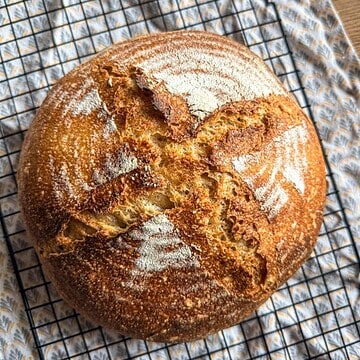
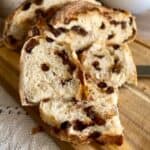
This Cinnamon Raisin Sourdough Bread has become a weekend favorite in our family. It's soft and slightly sweet, with cinnamon and juicy raisins. The sourdough starter gives it a gentle tang that balances the sugar and makes it more digestible. It's a wonderful homemade sourdough bread for fall baking.
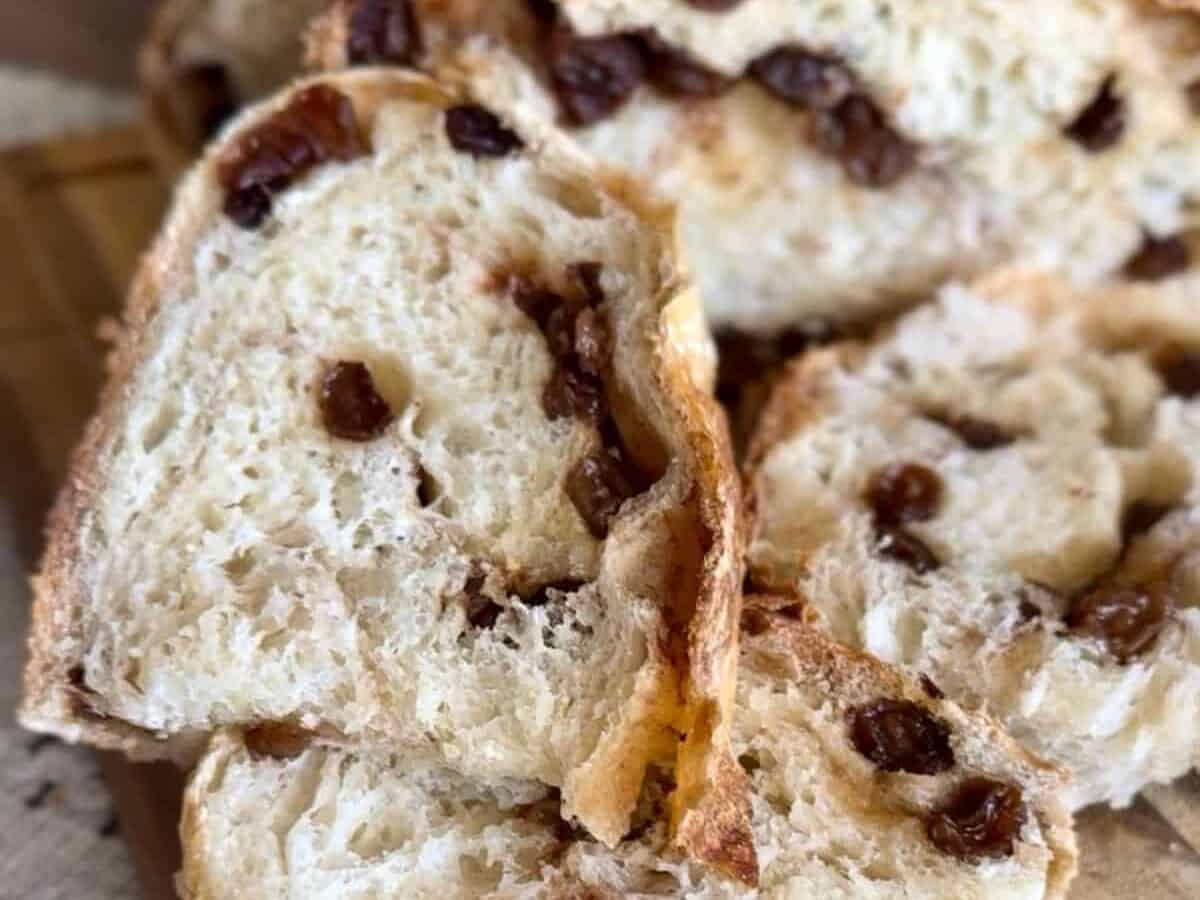
Raisins are a great add-in that pairs perfectly with cinnamon, making this sourdough bread a wonderful choice to make this fall season. Though I have the recipe instructions here, learn How to Add Fillings and Add-ins to Your Sourdough Bread.
And if you love cinnamon in your bakes as much as we do, you might also want to try my Sourdough Cinnamon Swirl Bread or Sourdough Cinnamon Babka.
Jump to:
- Important Ingredients
- Substitutions & Variations
- How to Make Cinnamon Raisin Sourdough Bread
- Baking Schedule
- 💭Crucial Success Tips
- Recipe FAQ
- Other Delicious Recipes
- Cinnamon Raisin Sourdough Bread
- Other Sourdough Recipes You'll Love
- Fresh Milled Buckwheat Sourdough Rolls
- The Easiest Fresh Milled Einkorn Sourdough Bread (Loaf Pan Method)
- 100% Fresh-Milled Einkorn Sourdough Bread
Important Ingredients
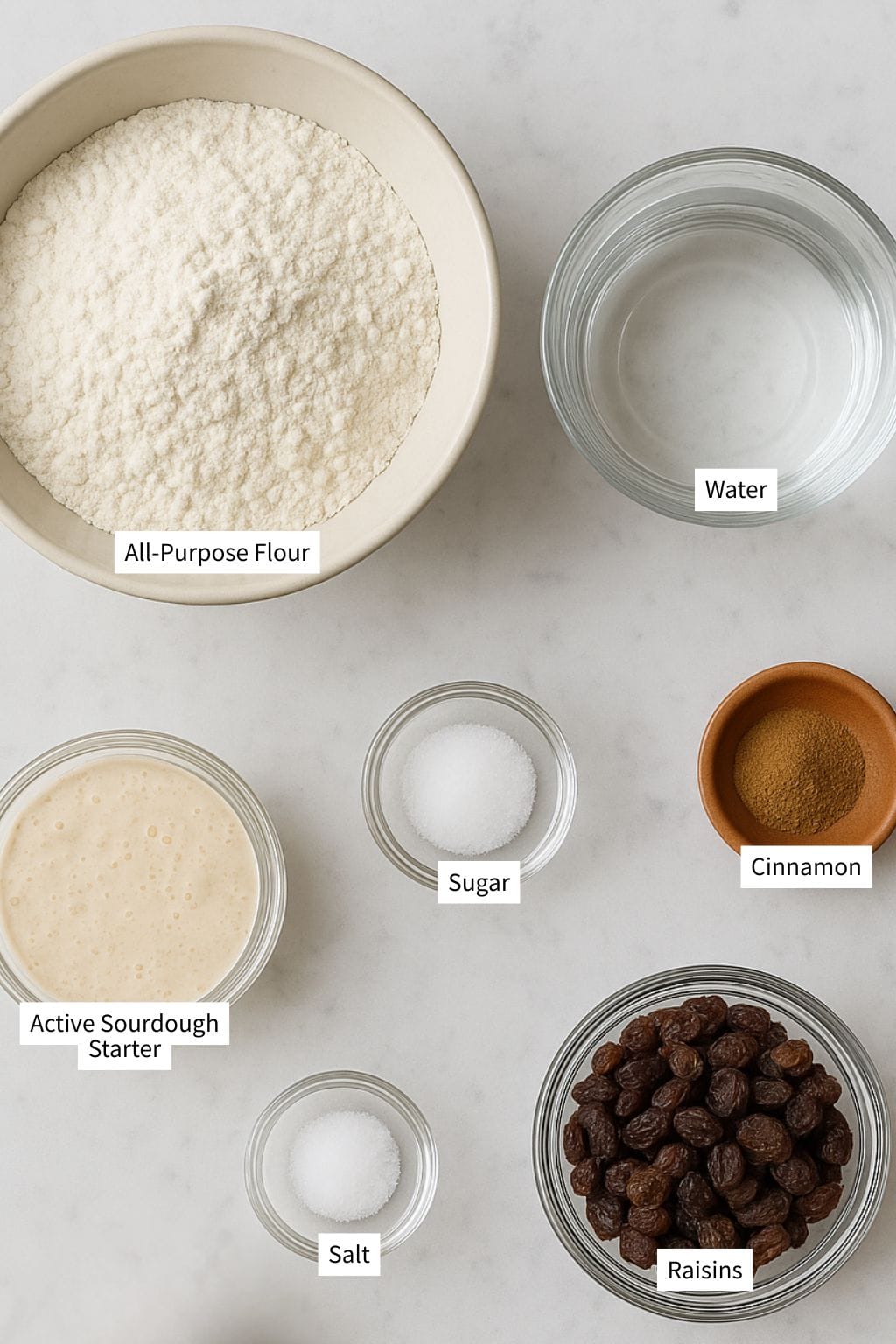
- All-Purpose Flour: Provides structure and a soft crumb, making it ideal for enriched sourdough breads like this one.
- Active Sourdough Starter: Brings the natural rise, flavor, and gentle tang.
- Cinnamon: Adds a cozy sweetness that pairs beautifully with raisins and balances the sourdough tang.
- Raisins: Bring natural sweetness and chewy bursts of flavor to every slice.
See recipe card for quantities.
Substitutions & Variations
- You can swap some of the all-purpose flour with whole wheat for a heartier loaf. Try 20-25% whole wheat for a nice balance.
- For other filling options, you can try chopped dried figs or cranberries instead of raisins for a twist. You could also add a handful of chopped nuts for texture.
- If you like your loaf a little sweeter, sprinkle a bit more sugar over the swirl layer, or drizzle a light glaze on top once cooled.
- For additional spices, you can mix in a pinch of nutmeg or allspice with the cinnamon for a cozy spice blend.
How to Make Cinnamon Raisin Sourdough Bread
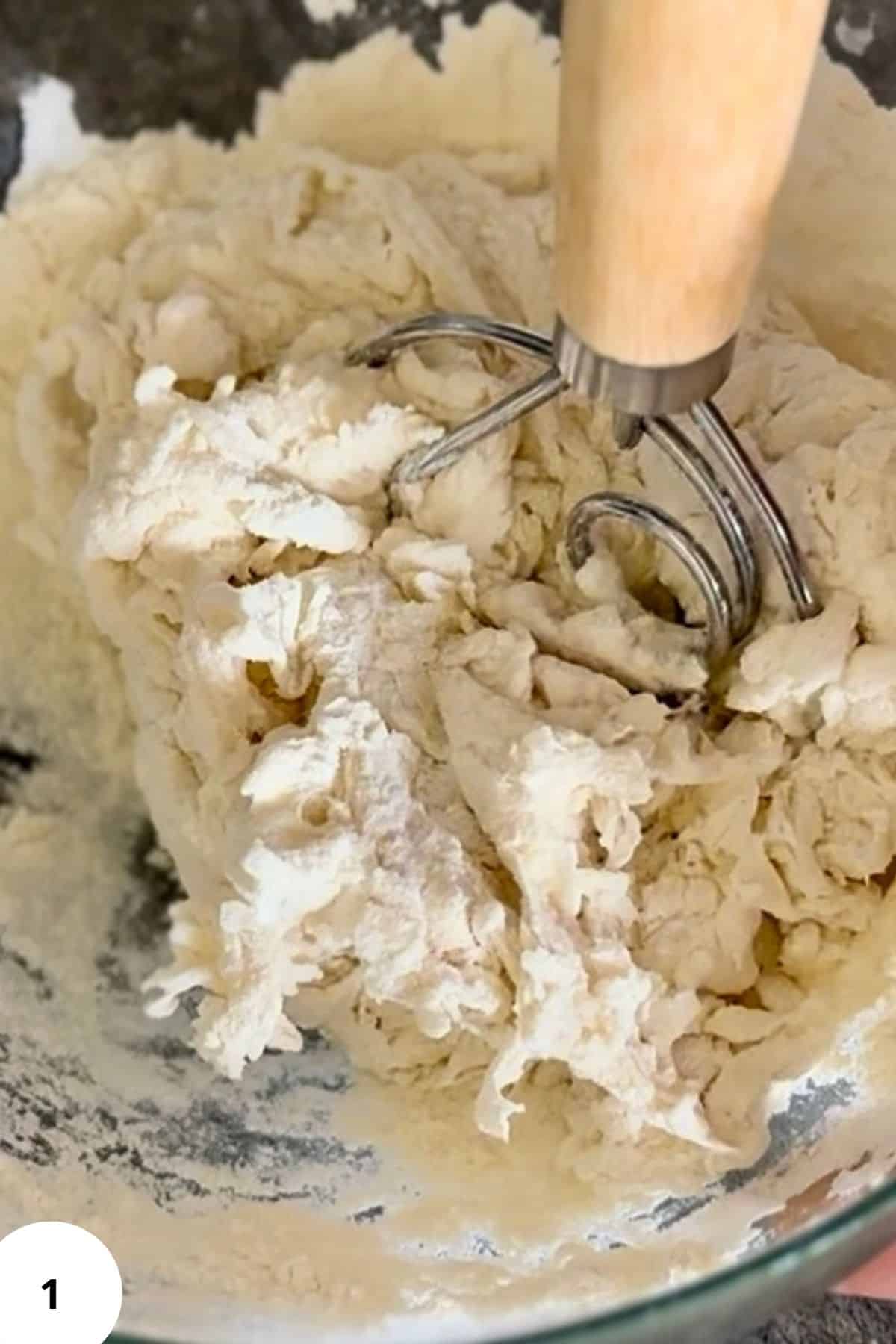
Step 1: In a large bowl, mix the flour, water, sourdough starter, and salt (Image 1) using a spoon or your hand. No need to knead-just stir until you have a sticky, rough dough. Cover the bowl and let it rest for 30 minutes to hydrate the flour.

Step 2: After the rest, do your first set of stretch and folds (Image 2). Wet your hand, lift one side of the dough, and fold it over. Repeat on all sides. Do 2 to 3 total rounds of folds over the next 1.5 hours, spacing them out every 20 to 30 minutes.

Step 3: After the final fold, cover the bowl again (Image 3) and let the dough continue to bulk ferment until it rises by about 50%. At average room temperature, this usually takes around 6 hours from the time you first mixed the dough.

Step 4: Turn the dough onto a lightly floured surface. Gently stretch it into a rectangle (Image 4)-not too thin.

Step 5: Lightly spray the surface with water, or wet your hands and pat the dough to moisten it slightly. Sprinkle about three-quarters of the cinnamon-sugar mixture evenly over the dough, followed by three-quarters of the raisins (Image 5).
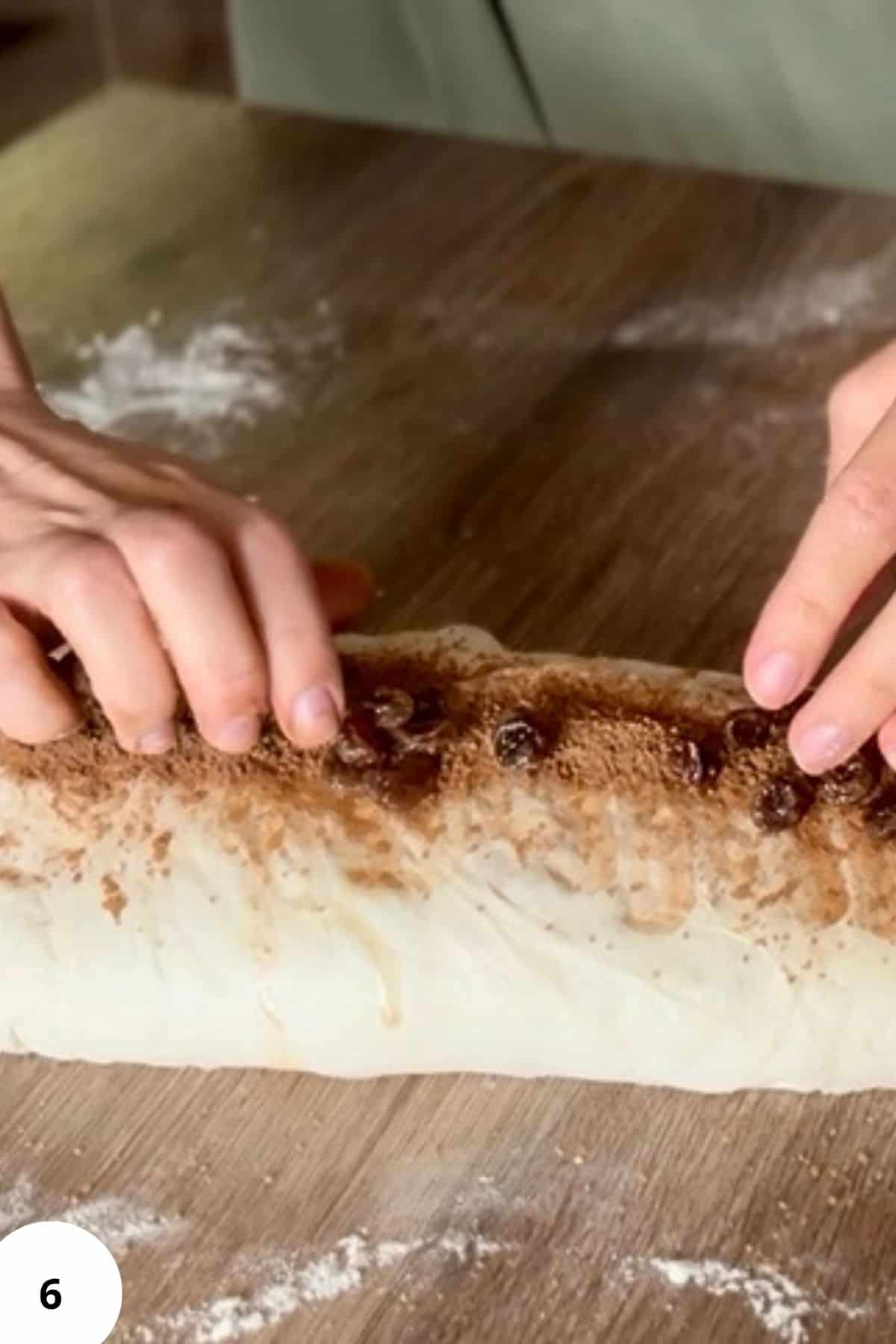
Step 6: Roll the dough into a log from top to bottom. Then sprinkle the remaining cinnamon-sugar and raisins over the top of the log and roll it up again into a spiral (Image 6). Tuck the ends under.
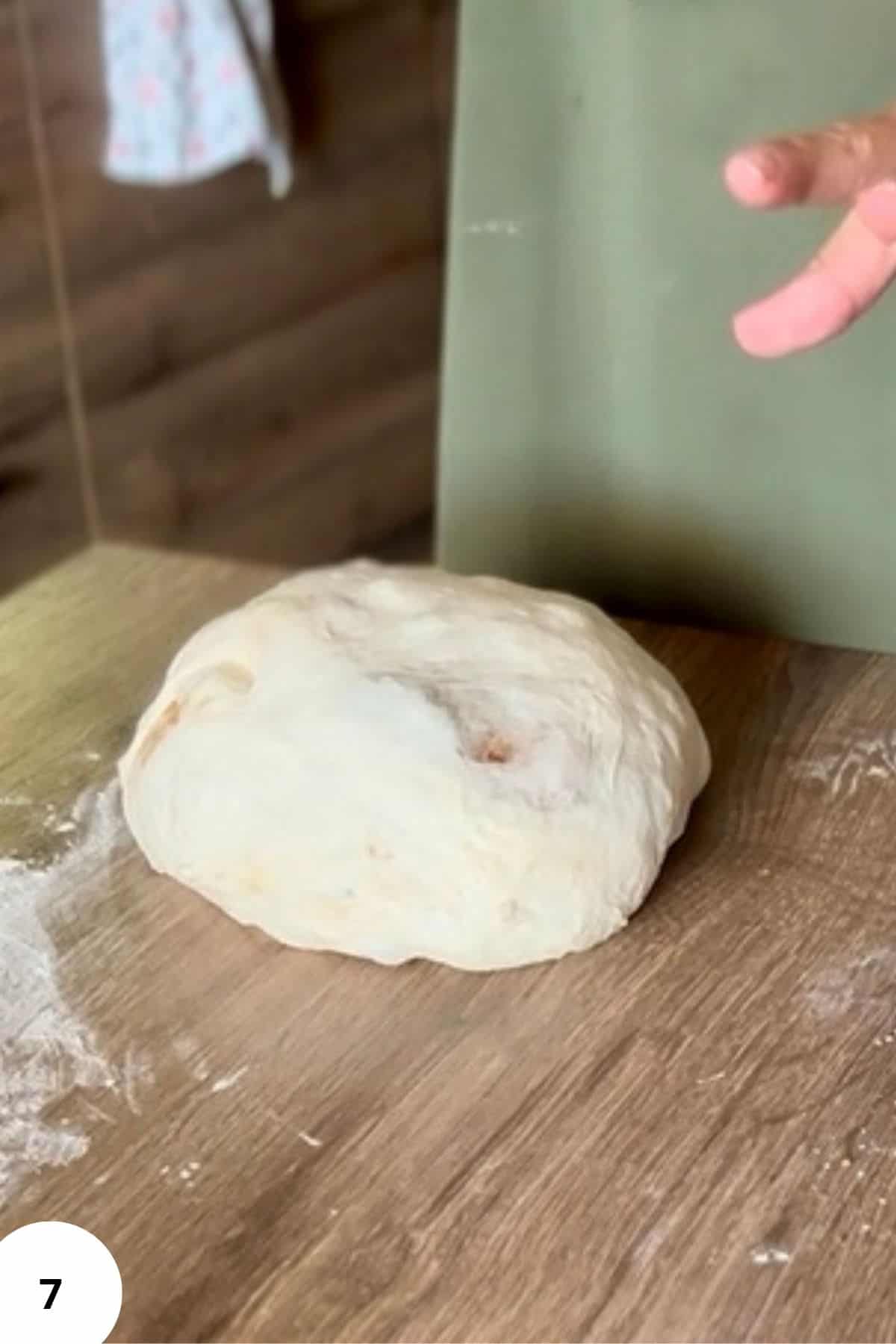
Step 7: Gently shape the dough into a round ball (Image 7).

Step 8: Place the dough seam-side up in a floured proofing basket. Cover and let it rise at room temperature for 1.5 to 2 hours (Image 8), or refrigerate it overnight.

Step 10: Preheat your oven with a Dutch oven inside. For a conventional oven, preheat to 250°C (480°F). For a convection oven, preheat to 240°C (465°F). Just before baking, turn the dough out onto parchment and make one expansion score. A simple moon-shaped score slightly off-center works well (Image 10).
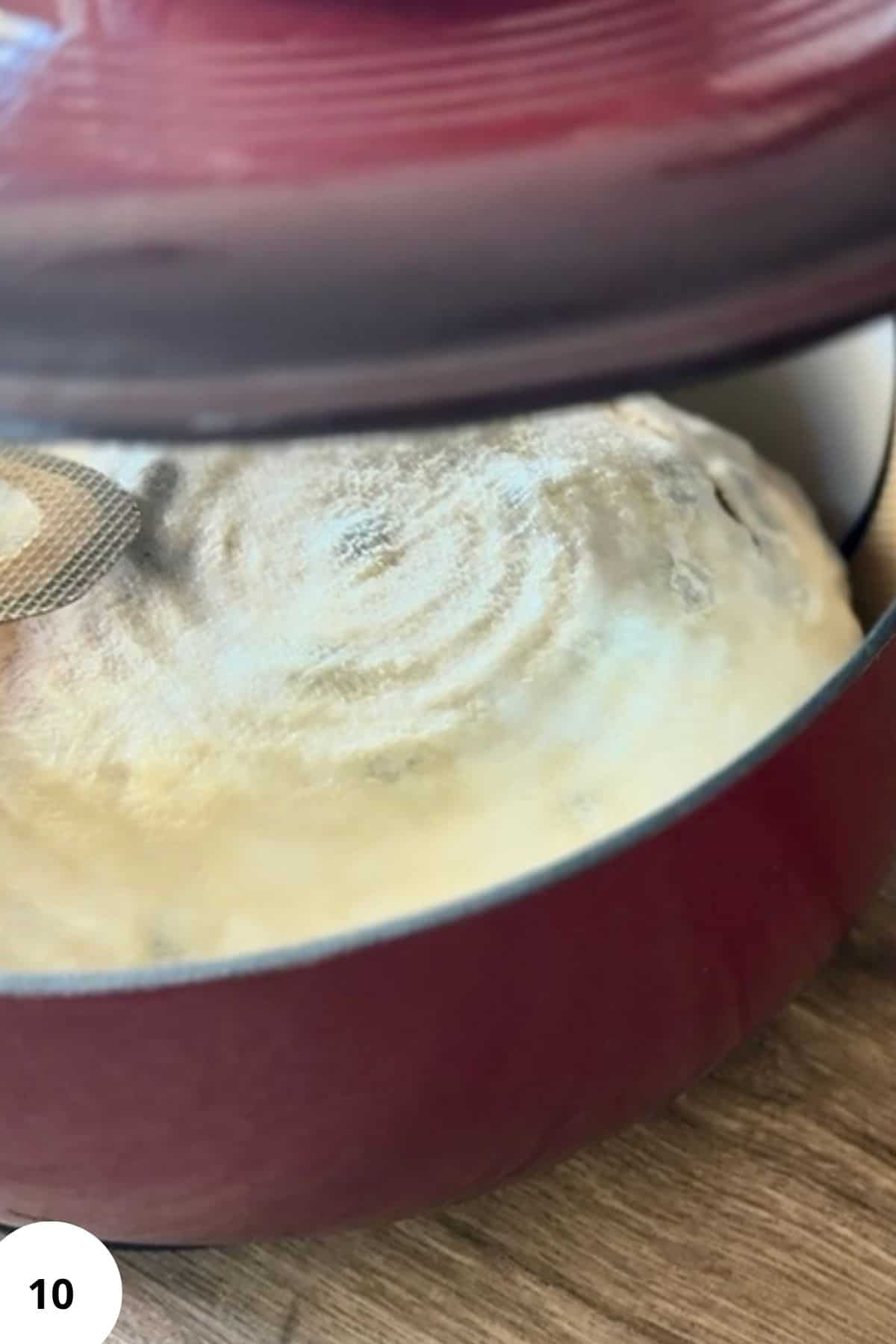
Step 10: Carefully place the dough into the hot Dutch oven (Image 10), cover with the lid, and bake for 20 minutes. Then remove the lid and reduce the temperature-230°C (450°F) for conventional, or 210°C (410°F) for convection-and continue baking uncovered for another 20 to 25 minutes, until the crust is golden and crisp.
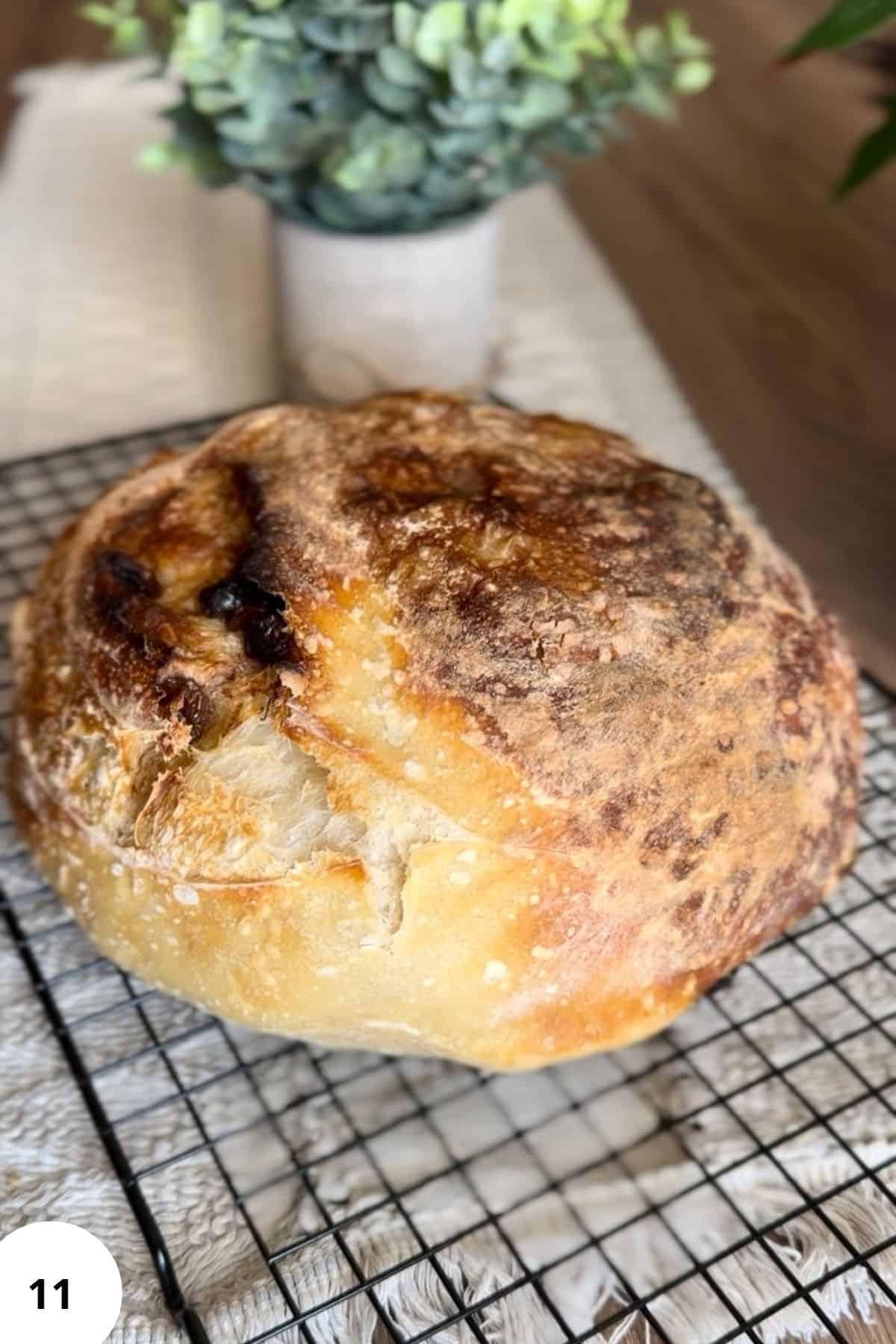
Step 11: Let the bread cool completely on a wire rack before slicing (Image 11).
Hint: Soak your raisins in warm water while the dough rests-it makes them plump and soft, so they don't steal moisture from the dough or pop out of the swirl during baking.
Baking Schedule
Day 1 - Mix & Ferment (Afternoon Start)
- 12:00 PM - Feed your sourdough starter (if it's not already active).
- 4:00 PM - Starter is active and bubbly-begin mixing the dough.
- 4:30 PM to 6:00 PM - Stretch & fold
- 6:00 PM to 10:00 PM - Bulk Fermentation
- 10:00 PM - Shape the dough
- 10:15 PM - Cold proof
Day 2 - Bake in the Morning
- 7:00 AM - Preheat oven and Dutch oven to 250°C (480°F).
- 7:30 AM - Score and bake directly from the fridge.
- 8:15 AM - Cool on wire rack.
- 9:15 AM - Slice and enjoy!
💭Crucial Success Tips
- Make sure to soak the raisins. It helps the swirl stay intact and prevents the bread from drying out.
- Be gentle with the shaping. A light hand helps the swirl stay tight and prevents tearing.
- Let the dough rise enough during bulk fermentation-aim for about a 50% increase in volume. If it's too flat, the bread may turn out dense.
- For Scoring. A single moon-shaped score lets the dough expand without splitting at the swirl.
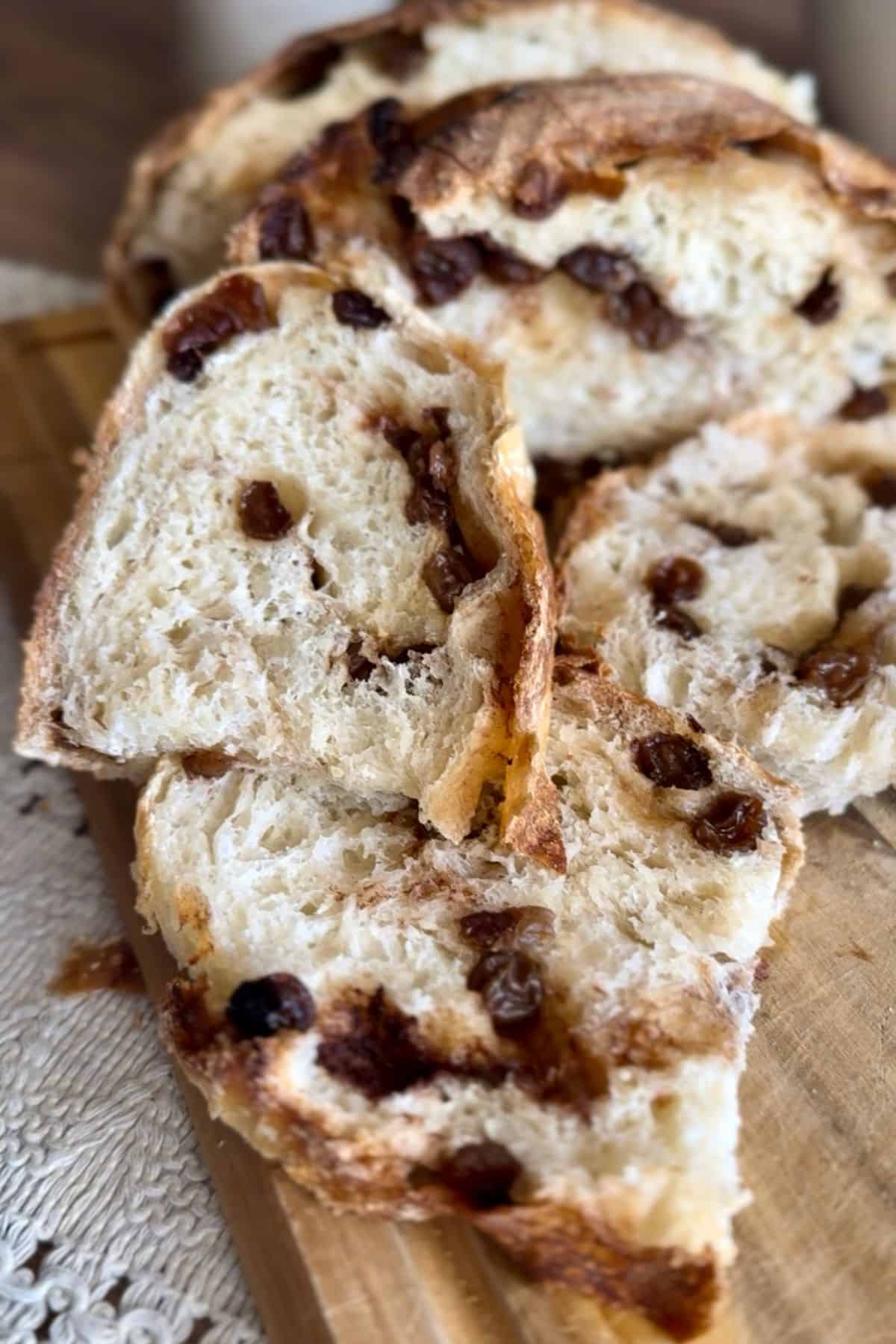
- Cool completely before slicing. The crumb sets as it cools, and the swirl stays neat and clean.
Recipe FAQ
That usually happens when the raisins aren't soaked or if too much filling is packed in. A light spray of water on the dough before sprinkling the cinnamon sugar helps it stick.
About 15-30 minutes in warm water is enough. Drain them well before using so they don't add too much moisture to the dough.
Bake straight from the fridge in the morning while your oven preheats. Cold dough gives a crisp crust and defined swirl.
Other Delicious Recipes
- Fresh Milled Buckwheat Sourdough Rolls

- Fresh Milled Einkorn Fruit Dumplings (Plum or Apricot)
- Fresh Milled Protein Bagels with Greek Yogurt
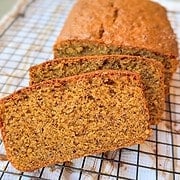
- Fresh Milled Einkorn Banana Bread


If you tried this Cinnamon Raisin Sourdough Bread or any other recipe on my blog please leave a 🌟 star rating and let me know how it went in the 📝 comments below! Happy Baking!
Cinnamon Raisin Sourdough Bread
Ingredients
For the dough:
- 440 g All-purpose flour
- 300 g Water
- 100 g Active sourdough starter
- 8 g Salt
For the filling:
- 50 g Sugar
- 2 teaspoon Cinnamon
- 100 g Raisins dry weight, then soaked and drained
Instructions
- In a large bowl, mix the flour, water, sourdough starter, and salt using a spoon or your hand. No need to knead-just stir until you have a sticky, rough dough. Cover the bowl and let it rest for 30 minutes to hydrate the flour.
- After the rest, do your first set of stretch and folds. Wet your hand, lift one side of the dough, and fold it over. Repeat on all sides. Do 2 to 3 total rounds of folds over the next 1.5 hours, spacing them out every 20 to 30 minutes.
- After the final fold, cover the bowl again and let the dough continue to bulk ferment until it rises by about 50%. At average room temperature, this usually takes around 6 hours from the time you first mixed the dough.
- Turn the dough onto a lightly floured surface. Gently stretch it into a rectangle-not too thin.
- Lightly spray the surface with water, or wet your hands and pat the dough to moisten it slightly. Sprinkle about three-quarters of the cinnamon-sugar mixture evenly over the dough, followed by three-quarters of the raisins.
- Roll the dough into a log from top to bottom. Then sprinkle the remaining cinnamon-sugar and raisins over the top of the log and roll it up again into a spiral. Tuck the ends under.
- Gently shape the dough into a round ball.
- Place the dough seam-side up in a floured proofing basket. Cover and let it rise at room temperature for 1.5 to 2 hours, or refrigerate it overnight.
- Preheat your oven with a Dutch oven inside. For a conventional oven, preheat to 250°C (480°F). For a convection oven, preheat to 240°C (465°F). Just before baking, turn the dough out onto parchment and make one expansion score. A simple moon-shaped score slightly off-center works well.
- Carefully place the dough into the hot Dutch oven, cover with the lid, and bake for 20 minutes. Then remove the lid and reduce the temperature-230°C (450°F) for conventional, or 210°C (410°F) for convection-and continue baking uncovered for another 20 to 25 minutes, until the crust is golden and crisp.
- Let the bread cool completely on a wire rack before slicing.
Notes
- When turning the dough out after bulk fermentation, it's helpful to flip it so the slightly dried top becomes the bottom. This makes shaping easier, since it will stick less to your surface. Lightly flour your work surface before shaping.
- Don't skip soaking the raisins-otherwise, they'll absorb moisture from the dough and cause separation at the swirl.
- For scoring, stick with a single moon shape off to one side. You don't want to open this bread too much during baking.
Nutrition