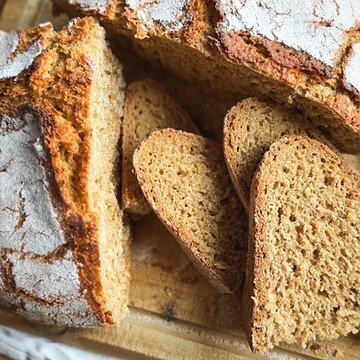
Marble Rye Sourdough Bread

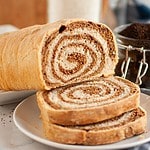
If you've ever wanted a classic deli-style swirl at home, this is the loaf. Marble rye sourdough bread gives you a soft, sliceable sandwich loaf with a beautiful rye spiral running through the crumb. The method is simpler than it looks: you make a light dough and a darker rye dough, layer them, then roll once like a cinnamon roll. The result is a loaf that feels special for breakfast and sandwiches, but still totally doable on a regular baking day.
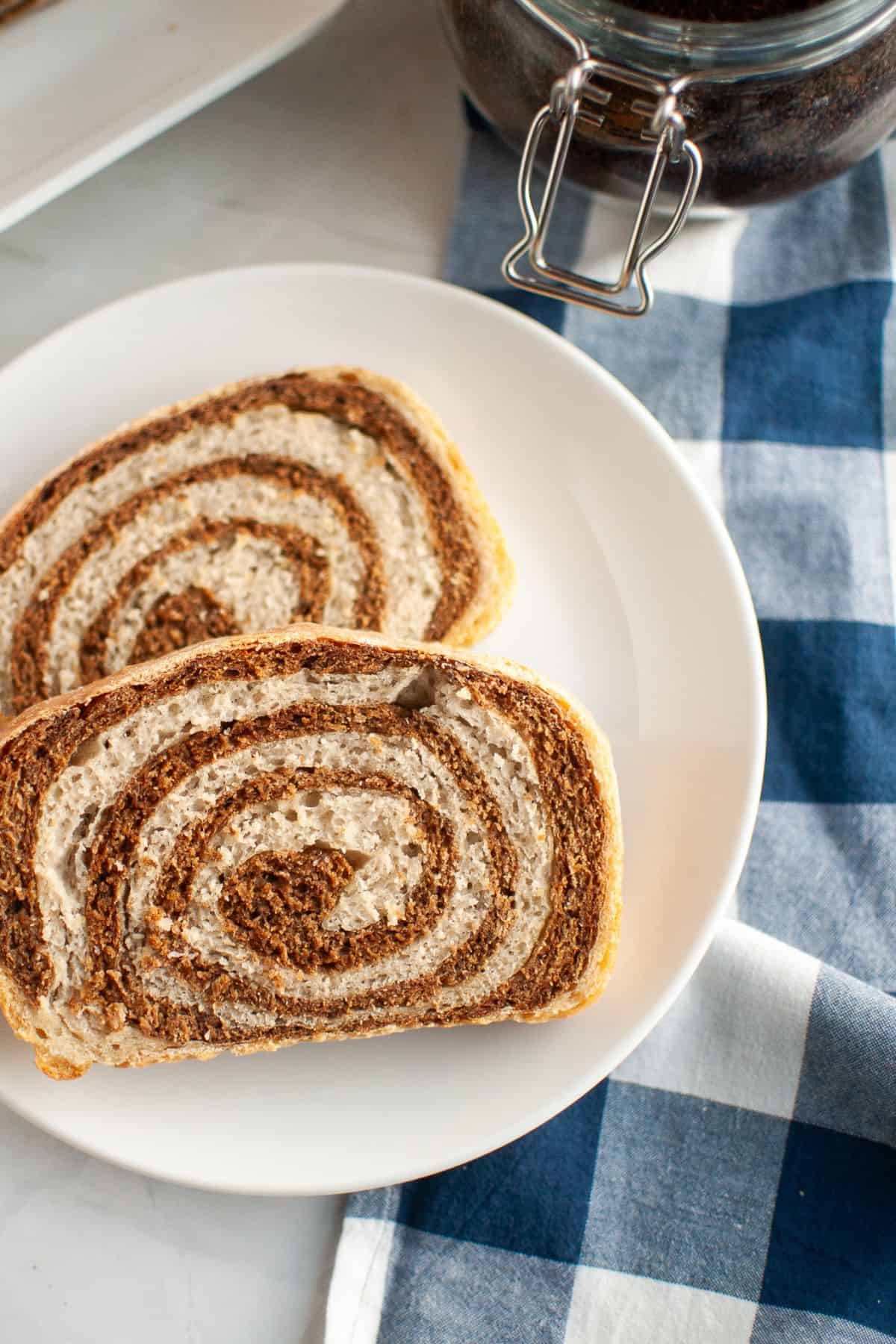
If you're building a sandwich-bread rotation, my sourdough tangzhong sandwich bread is a great related recipe for the weeks when you want extra-soft slices (this marble rye is more about flavor and swirl). Or go with giraffe sourdough sandwich bread for a different pattern.
Quick Look
- Prep Time: 1 hour 15 minutes
- Bulk Fermentation: 2-2½ hours
- Final Proof: 3-4 hours (or overnight in fridge)
- Cook Time: 50 minutes
- Total Time: 7-9 hours (or 15-16 hours with overnight)
- Servings: 1 loaf (12-14 slices)
- Difficulty: Intermediate
- Baking Method: Oven-baked in a loaf pan
- Best For: Sandwiches, toast, or breakfast
Jump to:
- Quick Look
- Important Ingredients
- Substitutions & Variations
- How to Make Marble Rye Sourdough Bread
- Baking Schedule
- 💭Crucial Success Tips
- Recipe FAQs
- How To Store Marble Rye Sourdough Bread
- Other Delicious Recipes
- Marble Rye Sourdough Bread
- Need Help Tweaking This Recipe?
- Other Sourdough Bread Recipes You'll Love
- Fresh Milled Buckwheat Sourdough Rolls
- Einkorn Sourdough Bread for Beginners (50% Fresh Milled)
- The Easiest Fresh Milled Einkorn Sourdough Bread (Loaf Pan Method)
Important Ingredients
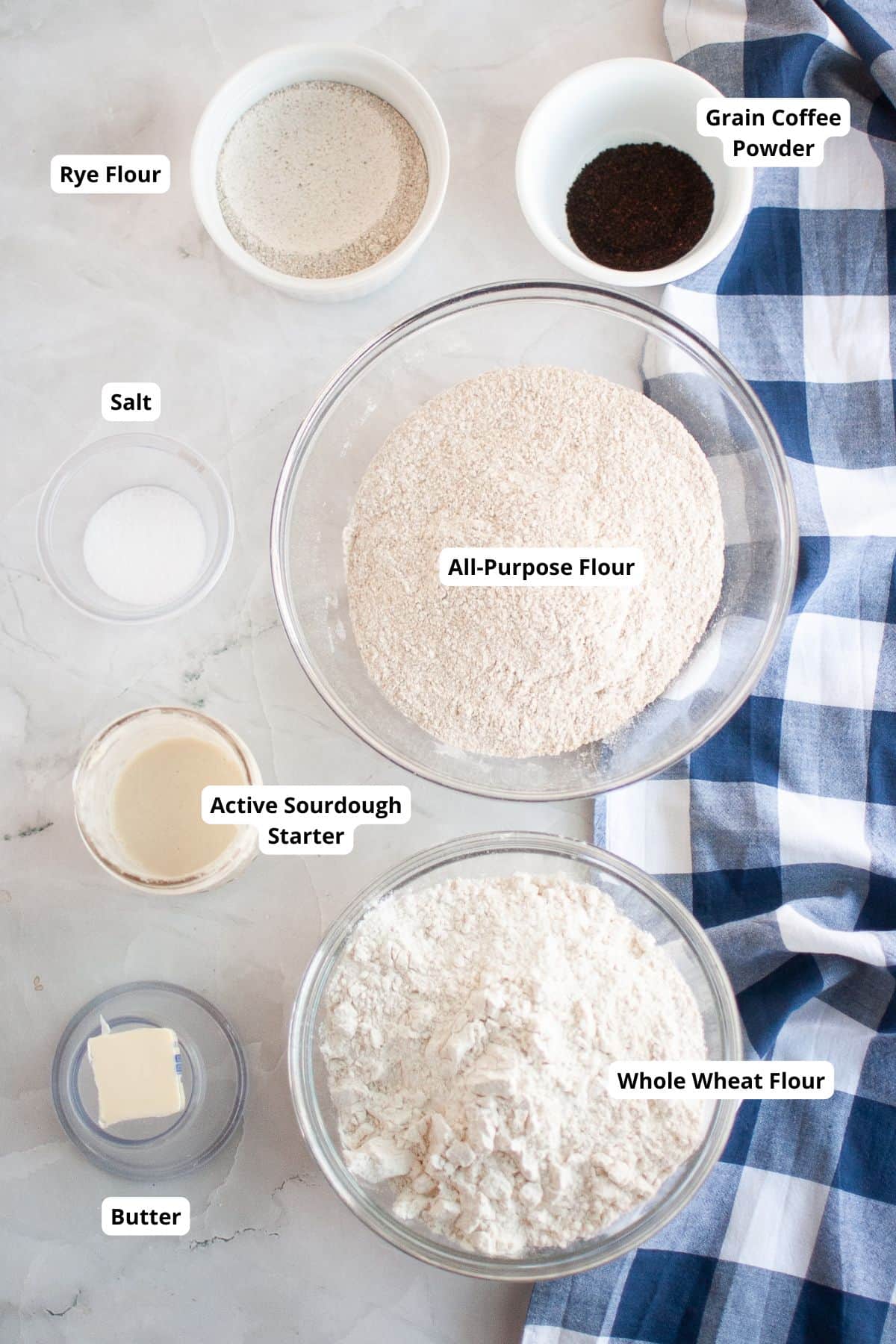
- Rye flour and whole wheat flour for the dark dough, giving flavor and color.
- All-purpose flour for the light dough, keeping the crumb soft.
- Butter folded into the light dough for tenderness.
- Sourdough starter active and bubbly, providing lift and flavor.
- Grain coffee or chicory powder optional, deepens the color of the dark dough.
See recipe card for quantities.
Substitutions & Variations
- Replace rye with all whole wheat for a milder flavor and color.
- Swap butter with olive oil or plant-based butter to make dairy-free.
- Add caraway seeds on the dark dough for a classic rye Nordic European flavor.
How to Make Marble Rye Sourdough Bread

Step 1: In a mixing bowl, combine the water, sourdough starter, grain coffee powder, and flours for the dark dough (Image 1).
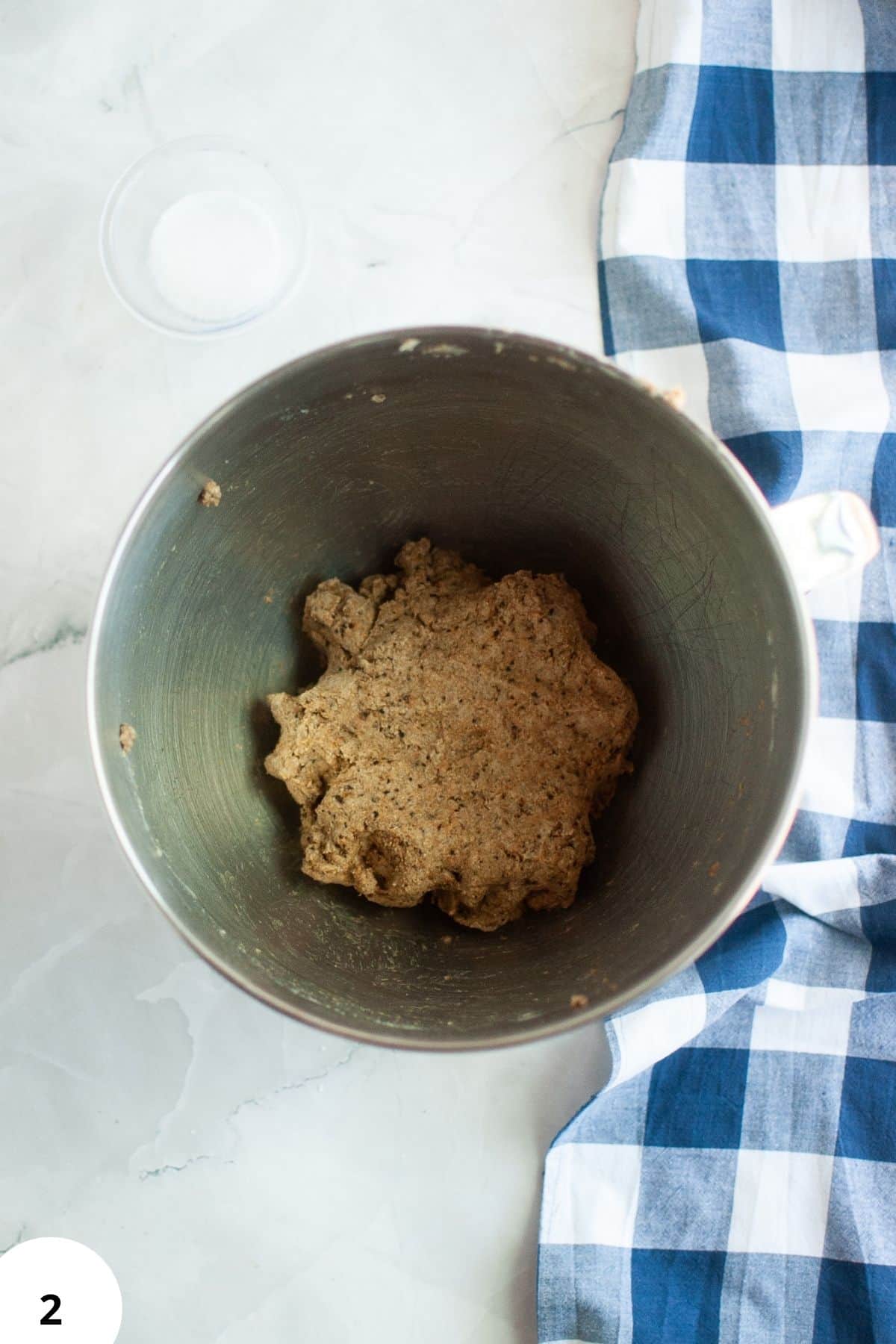
Step 2: Knead until a cohesive dough forms. Cover and let it rest for 15 minutes (Image 2).
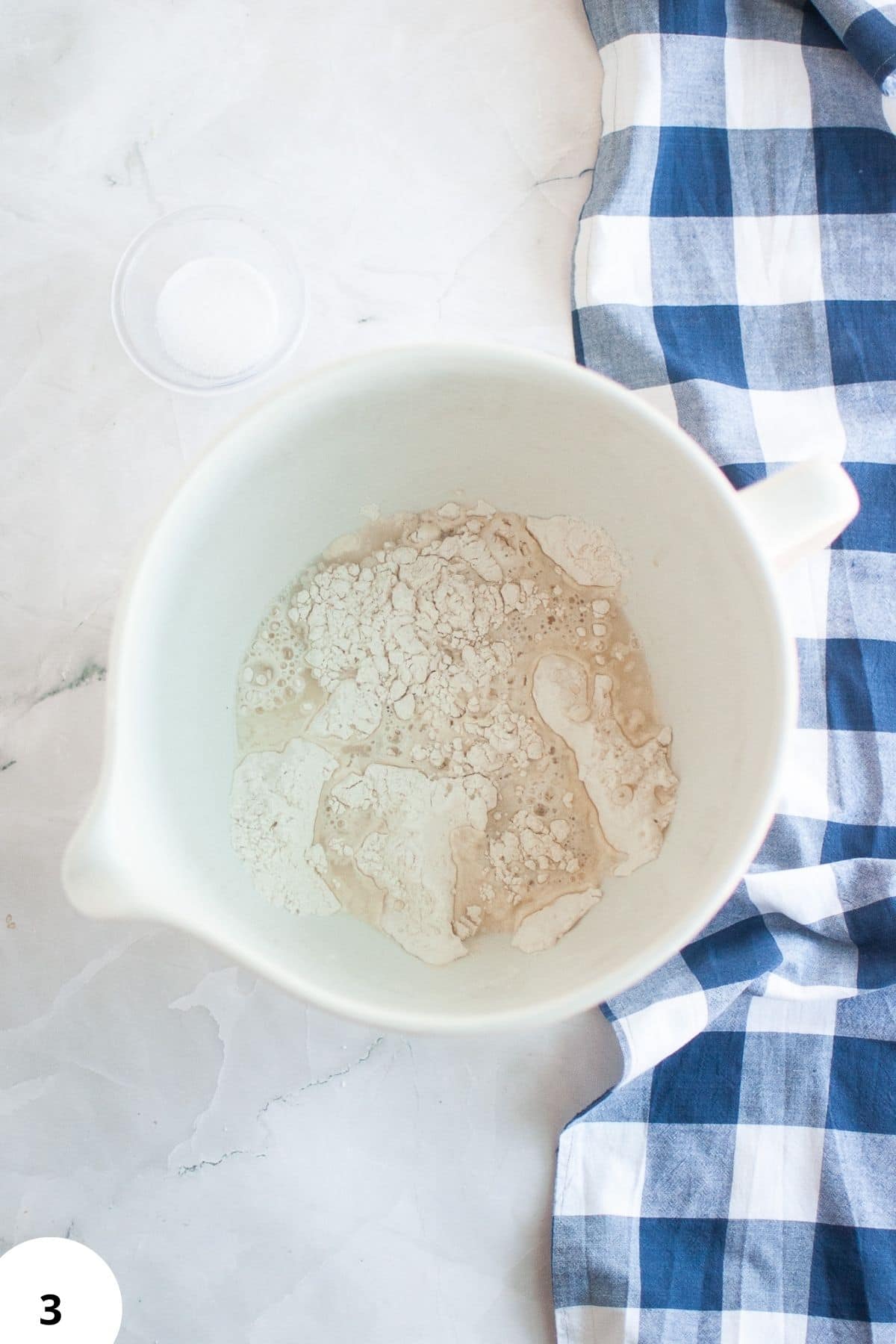
Step 3: In a separate bowl, mix the flour, water, and sourdough starter for the light dough until combined (Image 3).
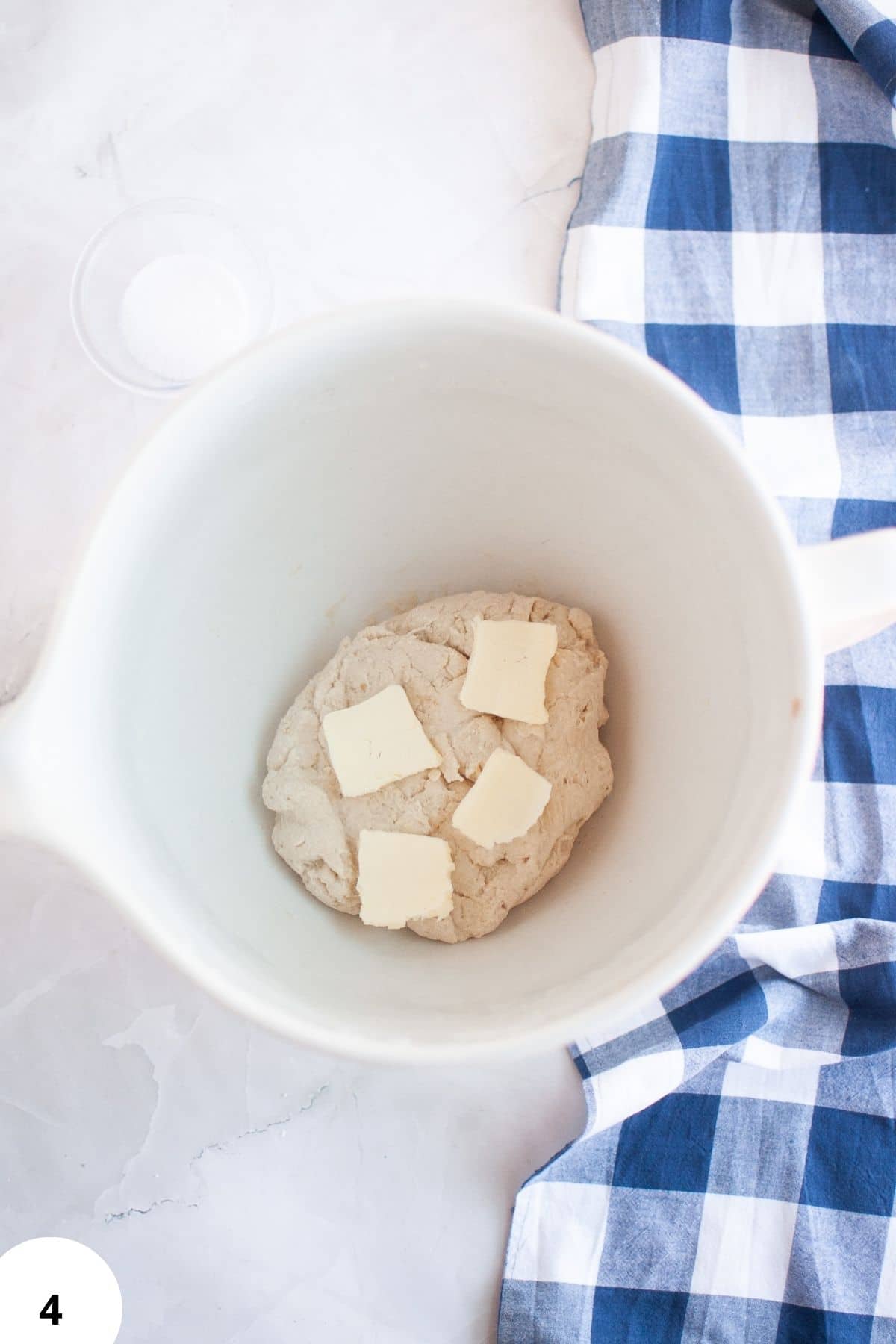
Step 4: Lay thin slices of butter over the surface of the dough (Image 4). Cover and let it rest for 15 minutes so the butter can soften.
Add the salt to the dark dough and knead until the dough pulls away from the bowl and forms a smooth ball. Cover and let it rest for 15 minutes.
Over the next two hours, perform four sets of stretch and folds for each dough, spacing them about 30 minutes apart. Work with each dough separately. After the final fold, let both doughs rest for 15 minutes.
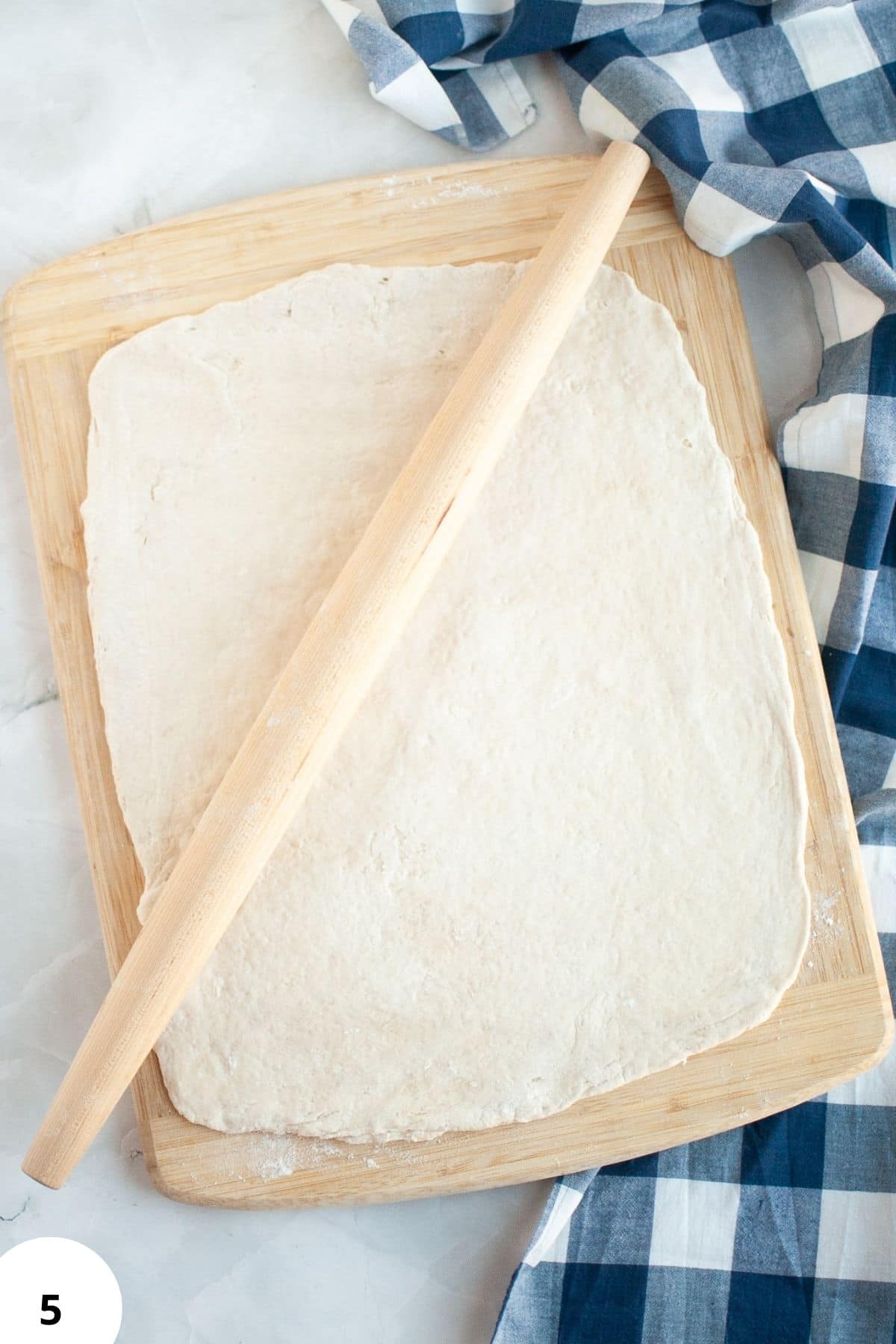
Step 5: Roll the light dough into a rectangle roughly the length of your loaf pan (Image 5).
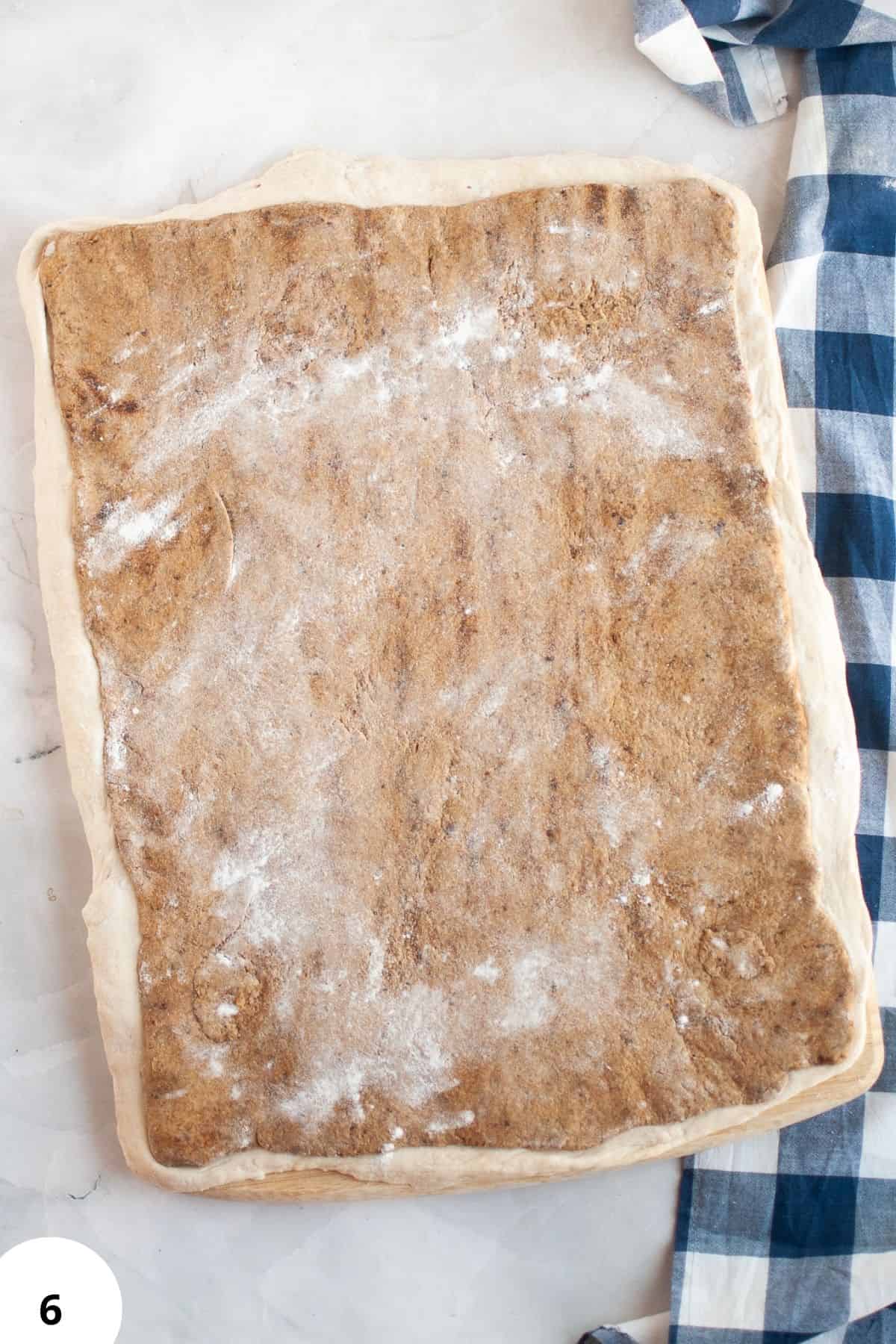
Step 6: Roll the dark dough into a slightly smaller rectangle (Image 6).
Place the dark dough on top of the light dough and gently press it in so the layers stick together.
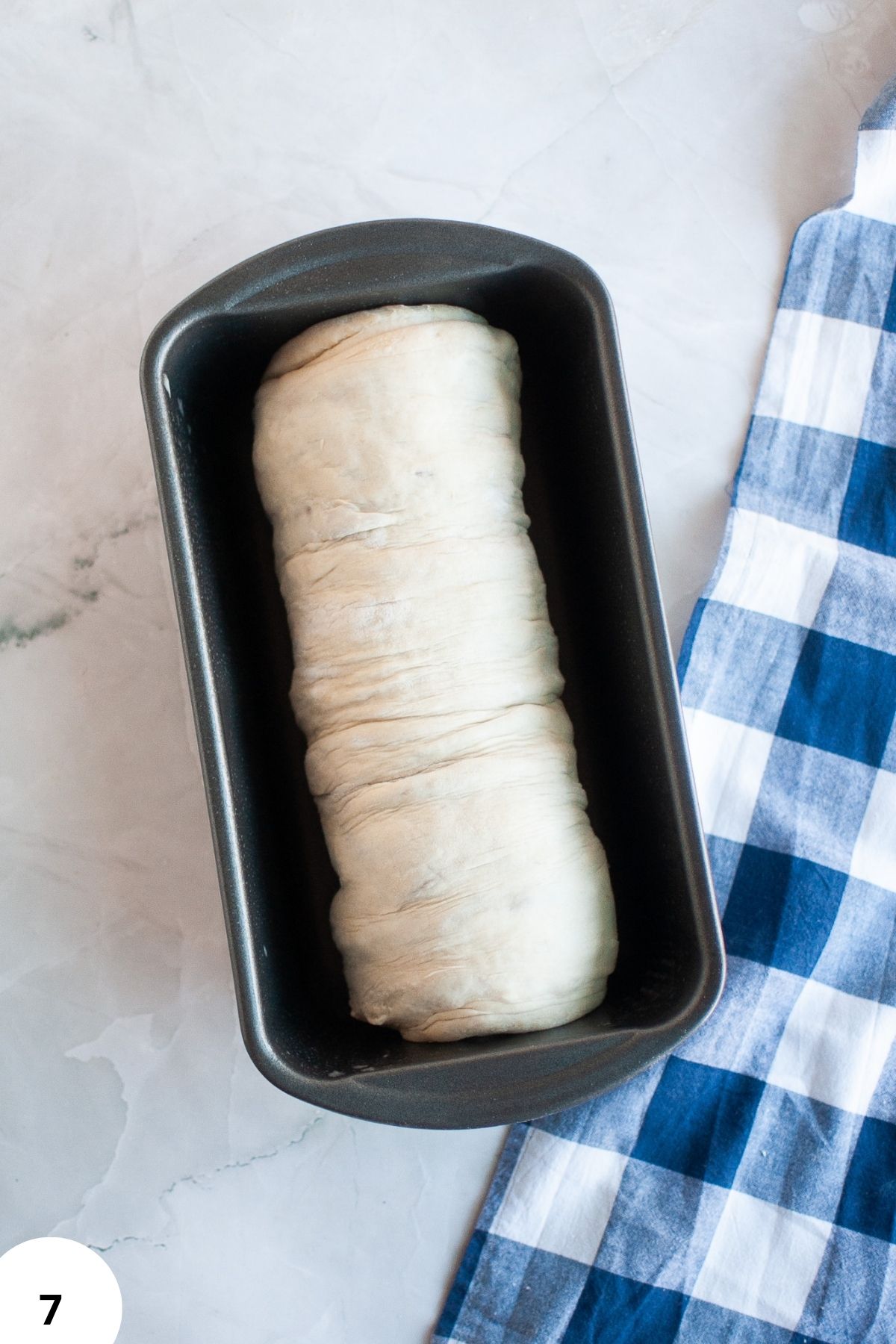
Step 7: Starting from the short side, roll the layered dough tightly into a log (Image 7), like a cinnamon roll. Keep even tension, but do not squeeze. This single roll is enough to create a clear swirl.
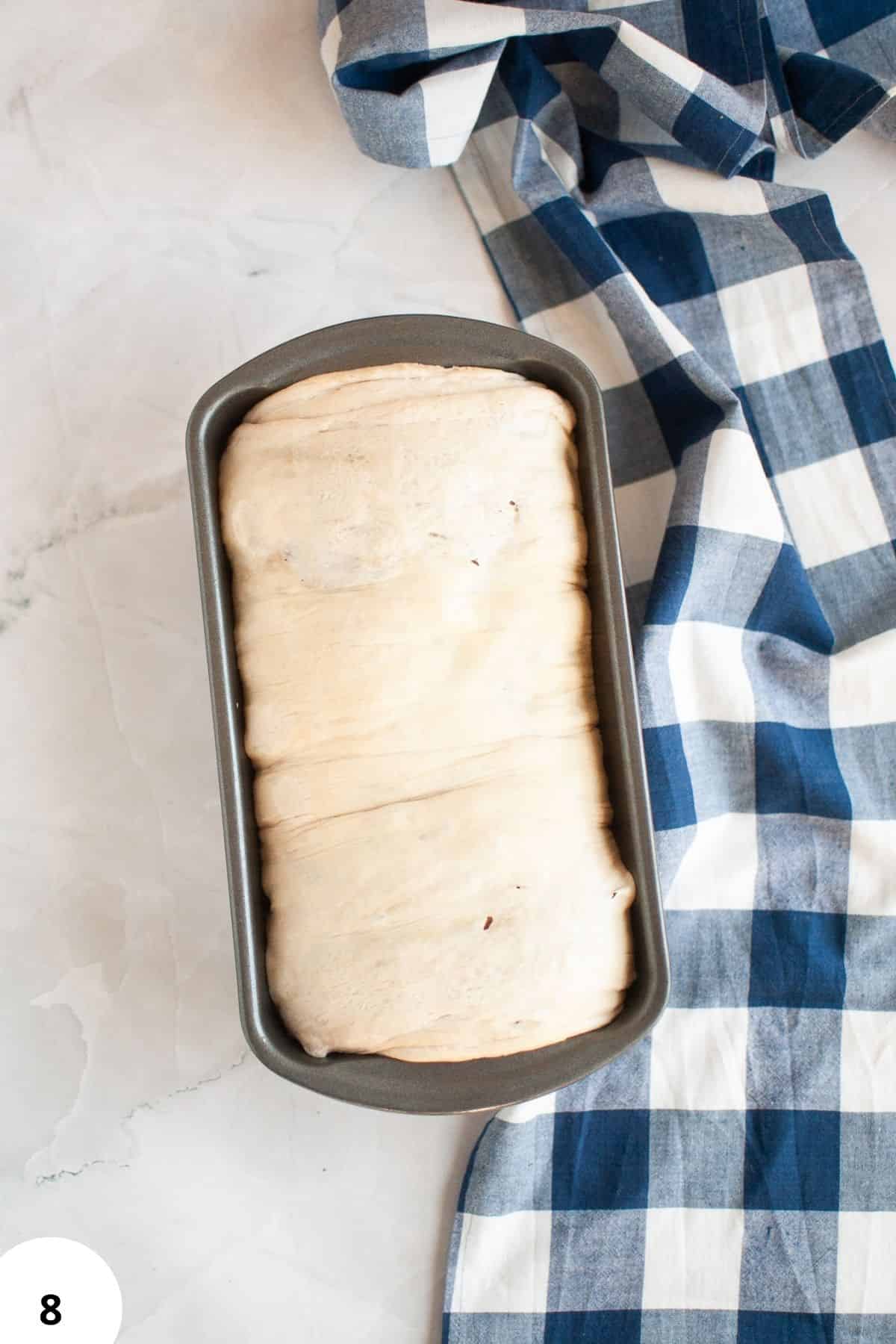
Step 8: Pinch the seam closed and place the loaf seam-side down into a lightly greased or parchment-lined loaf pan (Image 8).
Cover and let the loaf rise at room temperature for about 3 to 4 hours, until puffy and clearly risen.
Once risen, you can bake the loaf the same day or refrigerate it overnight. If refrigerating, bake straight from the fridge.
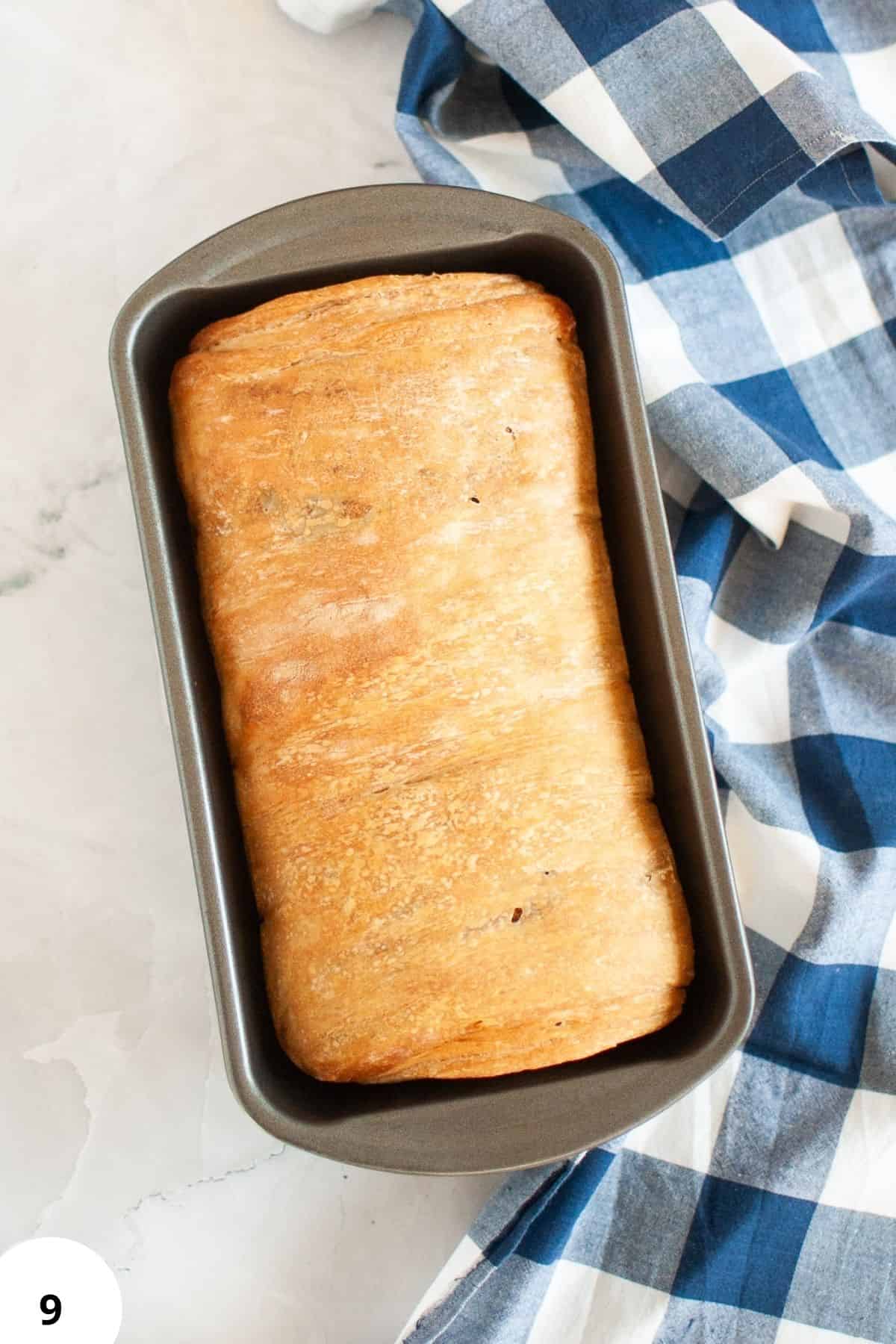
Step 9: Preheat the oven and bake:
- With convection (fan): Bake at 240°C / 465°F for 25 minutes, then reduce to 210°C / 410°F and bake uncovered for another 25 minutes.
- Without convection (no fan): Bake at 250°C / 480°F for 25 minutes, then reduce to 220°C / 430°F and bake uncovered for another 25 minutes.

Step 10: Remove the loaf from the pan and let it cool completely on a rack before slicing (Image 10). The swirl will be most defined once the bread has fully cooled.
Hint: the best swirl comes from dough that's relaxed but not over-proofed. If your dough keeps shrinking back while you roll it out, let it rest for 10 minutes and try again. That little pause makes shaping so much easier and helps you avoid tearing the layers.
Baking Schedule
- Morning: Mix doughs and rest
- Midday: Stretch and folds
- Afternoon: Shape and bulk rise
- Evening: Bake or refrigerate for next day
💭Crucial Success Tips
The make-or-break moment in marble rye is shaping. Roll the dough with steady tension so the swirl is defined, then pinch the seam well so it doesn't unravel. Also, don't rush the final proof. You want the loaf visibly puffy and risen, because under-proofing is the fastest way to get a tight crumb and a swirl that looks "squished."
Recipe FAQs
Yes. marble rye sourdough bread can be refrigerated overnight after it has risen in the loaf pan. Bake marble rye sourdough bread straight from the fridge the next day for an easy schedule and a slightly deeper flavor.
The swirl in marble rye sourdough bread is usually less defined if the dough layers did not stick together well, the dough was rolled too loosely, or the loaf was sliced while still warm. Press the layers together before rolling, roll with even tension, and let marble rye sourdough bread cool completely before slicing.
Yes. marble rye sourdough bread can be made without rye flour by using whole wheat flour in the dark dough instead. The loaf will taste milder and less "rye-like," but marble rye sourdough bread will still have a pretty swirl and good sandwich texture.
How To Store Marble Rye Sourdough Bread
Store in a bread bag or wrapped in a towel at room temperature for 2-3 days. Slices freeze well for up to 2 months; thaw at room temperature before using.

Other Delicious Recipes
- Fresh Milled Buckwheat Sourdough Rolls

- Einkorn Sourdough Bread for Beginners (50% Fresh Milled)
- The Easiest Fresh Milled Einkorn Sourdough Bread (Loaf Pan Method)
- Fresh Milled Sourdough English Muffins (Same Day or Overnight)

If you tried this marble rye sourdough bread or any other recipe on my blog please leave a 🌟 star rating and let me know how it went in the 📝 comments below! Happy Baking!
Marble Rye Sourdough Bread
Ingredients
Dark Rye Dough:
- 200 g whole wheat flour
- 50 g rye flour
- 160 g water
- 75 g active sourdough starter
- 6 g salt
- 5 g coffee powder chicory or barley coffee, grain
Light Wheat Dough:
- 250 g all purpose flour
- 160 g water
- 75 g active sourdough starter
- 6 g salt
- 5 g butter
Instructions
- In a mixing bowl, combine the water, sourdough starter, grain coffee powder, and flours for the dark dough.
- Knead until a cohesive dough forms. Cover and let it rest for 15 minutes.
- In a separate bowl, mix the flour, water, and sourdough starter for the light dough until combined.
- Lay thin slices of butter over the surface of the dough. Cover and let it rest for 15 minutes so the butter can soften. Add the salt to the dark dough and knead until the dough pulls away from the bowl and forms a smooth ball. Cover and let it rest for 15 minutes.Add the salt to the light dough and knead until smooth and elastic, fully incorporating the butter.Over the next two hours, perform four sets of stretch and folds for each dough, spacing them about 30 minutes apart. Work with each dough separately. After the final fold, let both doughs rest for 15 minutes.
- Roll the light dough into a rectangle roughly the length of your loaf pan.
- Roll the dark dough into a slightly smaller rectangle. Place the dark dough on top of the light dough and gently press it in so the layers stick together.
- Starting from the short side, roll the layered dough tightly into a log, like a cinnamon roll. Keep even tension, but do not squeeze. This single roll is enough to create a clear swirl.
- Pinch the seam closed and place the loaf seam-side down into a lightly greased or parchment-lined loaf pan.
- Cover and let the loaf rise at room temperature for about 3 to 4 hours, until puffy and clearly risen.Once risen, you can bake the loaf the same day or refrigerate it overnight. If refrigerating, bake straight from the fridge.
- Preheat the oven and bake:With convection (fan): Bake at 240°C / 465°F for 25 minutes, then reduce to 210°C / 410°F and bake uncovered for another 25 minutes.Without convection (no fan): Bake at 250°C / 480°F for 25 minutes, then reduce to 220°C / 430°F and bake uncovered for another 25 minutes.
- Remove the loaf from the pan and let it cool completely on a rack before slicing. The swirl will be most defined once the bread has fully cooled.