What I Do Instead of Buying More Groceries Every Week
At a glance: I'll got through the biggest shifts for me when it comes to stretching what I have at home: making more staples at home, cooking from scratch, embracing the seasons, and learning how to use what we already have well.
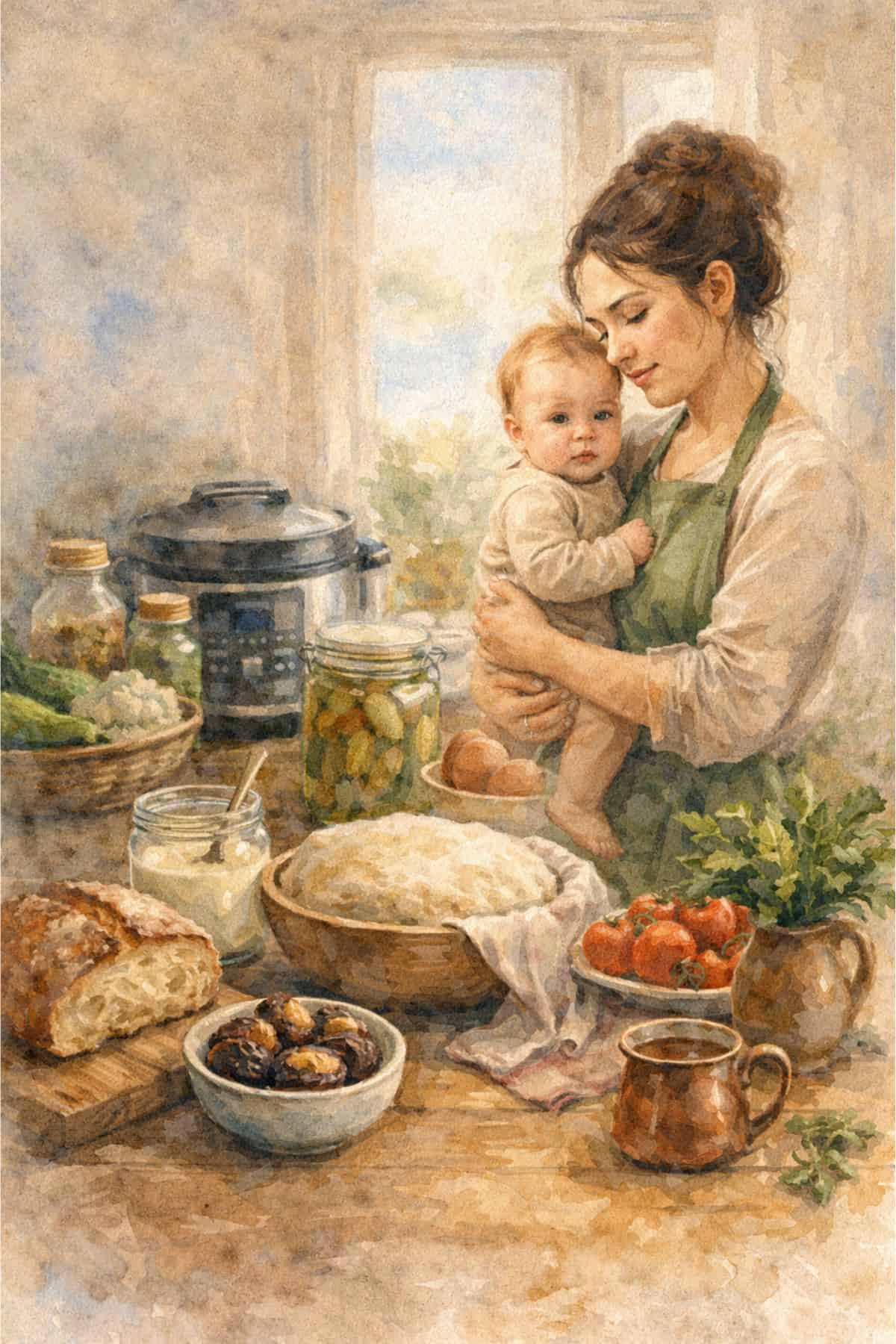
There are so many small ways we can stretch what we already have. Not just to save money, but also to live more simply, to feel more capable, and to be a little more self-sufficient. A lot of those things can feel hard or a bit time consuming at first. I know they did for me. But once they become part of your rhythm, they start to feel very natural.
For me, it's really important that saving money doesn't come at the cost of my family's health. I'm not going to buy the cheapest ultra-processed option out there just because it saves me a few cents. A lot of very low-quality ingredients are cheap, but in my opinion, they're just not worth it in the long term
Start With One Homemade Staple
I was lucky to grow up around both my grandmothers, watching how they cooked and how they lived. They taught me a lot about making the most of what you already have without feeling like you are making awful sacrifices every day or depriving yourself.
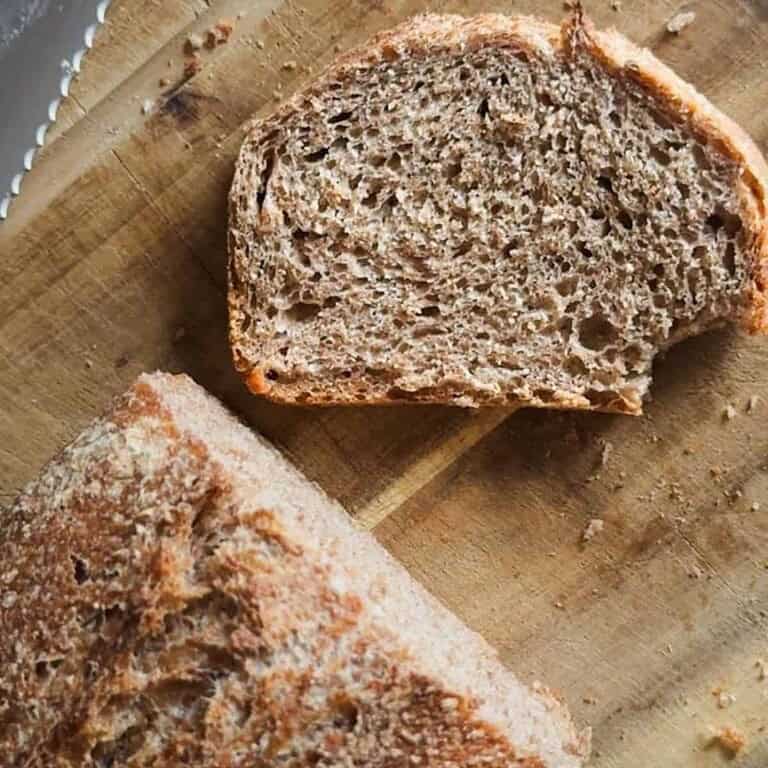
For us, bread is one of the clearest examples. Most of us Europeans eat bread every day in some capacity, so making bread products at home is a huge money saver. It also gives me the opportunity to bake really quality bread that truly nourishes us.
This is not necessarily cheaper than buying the cheapest bread at the store. But the quality of the bread you get at the store is just not comparable to bread you can bake at home with simple ingredients and without additives.
You can go the extra mile and make bread using sourdough starter or try baking with freshly milled flour. But I really want to say this too: you do not have to do everything at once, especially if you're a beginner.
You don't need to start with freshly milled sourdough. Especially if you are in a busy season of life. Maybe you have little kids that need you constantly, or maybe you're postpartum, or you have a very demanding job that takes most of your time. Just making yeasted bread at home with all-purpose flour, or starting with a simple sandwich loaf recipe your family really likes, is already a huge achievement.
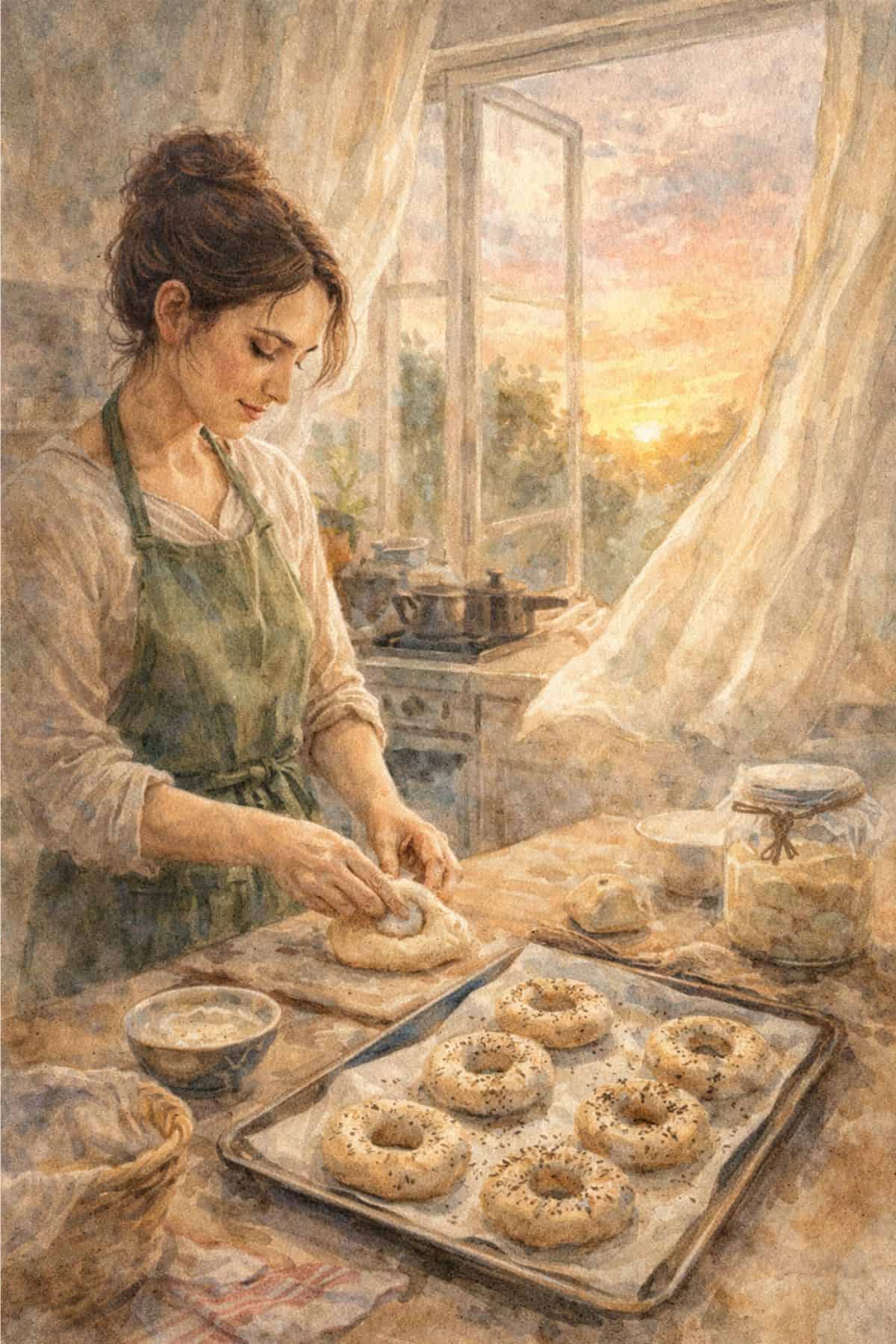
Once you get comfortable with making regular bread, you'll naturally start venturing into tortillas, dinner rolls, bagels, and all the other bread products you can make. Because you really won't want to go back to the store-bought stuff once you start making your own.
And if bread making feels like too much right now, or it just isn't really your style, I would suggest homemade yogurt. Especially if you have an Instant Pot. The process is mostly hands-off, and that's why I almost always have a jar of homemade yogurt in the fridge.
Again, there are cheap yogurts at the store. But if I look at what I would have to buy to get the same quality as my homemade yogurt, because I make it from local, organic, non-homogenized milk, I would pay a lot more. So making it at home is much cheaper, and it gets me the quality that I want.
You can also make your own tea blends if that appeals to you. It can actually be very fun to go foraging, and you can take your kids with you too.
But really, the main thing is this: you probably do not have time to make absolutely everything. I know I don't. So just pick one thing. Get comfortable with it, then pick another. You'll see how they fit into your routine, how much time they take, and which ones are really worth it for your family.
Join me on my YouTube channel ...
And see how that looks like in real life!
Subscribe to my
Embrace the Seasons a Little More
Another thing I've been thinking about a lot is embracing the seasons. It's something previous generations more or less accepted as normal, and I feel like we don't really do that anymore.
We've gotten used to a certain level of luxury when it comes to the temperature of our homes. But it still kind of blows my mind that our houses are kept at the same temperature almost all the time, and that is a luxury we pay a lot of money for.
Lately I've been trying to embrace the seasons more, and I've found that there is definitely joy in that too. In the middle of winter, I love wearing warm sweaters and having a slightly cooler home. I find that I like to bake more. Stews are on the menu more often. We naturally crave those kinds of things more when the house is a bit cooler.
Then during the warmer months, I love opening all the windows first thing in the morning to cool the house down as much as possible before the heat sets in.
When we don't rely as much on heating or air conditioning, each season has its own routines. They all have their charm. And maybe most importantly, they remind us that time is passing by. They remind us of the seasonal, cyclic nature of life.
In my country, there are still a lot of people who in the winter will only heat the kitchen and the main living space, and the rest of the house stays cold. A nice side effect of that is that families naturally spend more time together, because if the kitchen and living room are the only warm places, that's where everyone will be.
So if you're looking for a way to become more aware of the seasons, adjusting to both heat and cold with small intentional habits is a nice place to start. It will cost you less than constantly fighting the cold in the winter and the heat in the summer.
Learn to Enjoy the Simple Things at Home
This reminds me of another small thing that is worth mentioning, and that is finding a way to enjoy the coffee you make at home. I actually think the best tasting coffee in the whole world is made in my cezve. It's prepared quickly, and in my opinion, it's far better than coffee that comes out of even the most expensive coffee machines.
Sometimes these little homemaking habits really do add up. Not just financially, but in the way they shape the feel of the home.
Cook From Scratch, but Do It Efficiently
The biggest thing we can do as homemakers, if we want to become more frugal, is learning to cook from scratch efficiently.
Instead of talking about specific recipes, I want to share a few habits I learned from my grandma that still work today and are, in my opinion, just very useful to know. Especially if you are a new homemaker and maybe don't have all the routines and rhythms established yet.
First, and you need to hear this if you are an overwhelmed mom, or really anyone who makes sure things get cooked and eaten in your house: it is okay to properly prepare food only once a day.
If there is one proper meal served, and by proper meal I mean a real main course, maybe meat and potatoes, plus salad or soup beforehand, it is okay if the other meals are simpler and just quickly assembled.
For us, it is still customary to have a big lunch. Usually that's the meal where there is warm, filling food, and everyone sits down, eats, talks, and feels satisfied afterward. That is the tradition I kept too. Lunch remains the main thing in the day that I consider to be my job.
Of course I also cook porridge or make eggs or put together simple breakfast and dinner foods. But dinner is often just sliced homemade bread, some good cheese and salami from the fridge, fermented vegetables or pickles, maybe a spread on the side, and then everyone can pick and choose what they want.
And this is where homemade staples really help. If you have a few things on hand, meals are so much easier to assemble.
As for snacks, I know my grandmothers would laugh if I asked what would be served as a snack. Little kids need more help, of course. But I remember that as soon as I was capable of feeding myself, I knew I would find some fruit on the counter, some bread to eat, maybe some cheese in the fridge. And in summer, my grandma would send us to the garden to find something to snack on.
As a child, I truly thought fresh tomatoes and carrots I picked in the garden were a proper snack.
I think somewhere along the way we started believing that snacks need to be complicated, with ten different things cut into fun shapes and arranged perfectly. But there is really no need to overcomplicate food. It can be very simple.
Plan Meals Around What Takes the Most Effort
As far as time- and cost-effective cooking goes, the easiest way for me to plan is around the meat, or the protein if I'm making a meatless lunch. That way I can make sure to thaw it before I need it, because I usually buy meat in bulk and freeze it.
Buying meat in bulk is very cost effective, and I usually prepare meat for two meals. Not always, but usually.
For example, if I make simple meat patties one day, I will intentionally make a double portion and stash half of them in the fridge. Then the next day I can sauté some onions and carrots, add in frozen greens from the garden, use plenty of good spices, maybe throw in some leftover grain or rice, and then shred the meat patties into the mixture. Add another vegetable, maybe an egg or two, and suddenly you have a completely different meal.
I do this with almost any meat I prepare because meat is usually the most time-consuming part of the meal. If I can do that part in bulk, it saves me a lot of time the next day. So I almost always make it for two lunches.
Use Your Freezer Well
If buying meat in bulk is not enough of a reason to want a bigger freezer, then think about all the vegetables from your garden that you can preserve if you have the freezer space.
That is another habit we've gotten into in the last couple of years that I highly recommend. I say we because my husband is mostly the one planning and tending to our garden. It's not very big at all, but we still manage to get a lot of fresh vegetables that way. And because we have a big freezer, we eat them almost until the garden starts producing again.
Usually by the end of summer, the freezer is completely full of frozen vegetables.
What works especially well for us is cubed zucchini in portioned bags, because if you grow zucchini, you know how quickly you can suddenly end up with so much of it. We also always freeze chopped greens, and both zucchini and greens are wonderful to throw directly into stews, risottos, and similar meals.
Broccoli and cauliflower also freeze really well if you have that option. Homegrown frozen vegetables are something I overall highly recommend working toward if you can.
Do Not Underestimate Herbs and Ferments
And then there are herbs. I really cannot skip mentioning herbs. Even if you do not have the option of having a garden, just keeping some herbs on your windowsill can save you money.
Not necessarily because herbs themselves are expensive, but because if you know how to use them, you can keep only a few staple ingredients on hand and still create many different meals out of them depending on which herbs and spices you use.
I swear my grandma cooked mostly from the same ingredients all the time, but her meals were never boring because she knew exactly which herbs and spices to use to make them feel completely different.
The same goes for fermented vegetables. I love having jars of them on hand because they make simple meals feel more complete. They are practical, nourishing, and they come in handy again and again.
Keep One Sweet Thing on Hand
And last but not least, we all get a sweet tooth sometimes. One sweet snack that completely erases the need for me to keep chocolate or sweets at home is stuffed dates.
I fill dates with either peanut butter or almond butter and top them with a little melted chocolate. Then I store them in the fridge and reach for them whenever I want something sweet.
In my opinion, they taste like a candy bar, but they are much better for you and also a lot cheaper.
A Slower, Simpler Kind of Frugality
I think this kind of frugality is less about deprivation and more about learning how to do ordinary things well. Making one staple at home. Cooking one proper meal a day. Using your freezer. Keeping herbs nearby. Letting the seasons shape the rhythm of your home a little more.
None of it has to look perfect, and none of it has to happen all at once.
But these small habits really do add up. They save money, yes. But they also make home life feel more rooted, more capable, and more peaceful.