Sourdough Ciabatta Bread

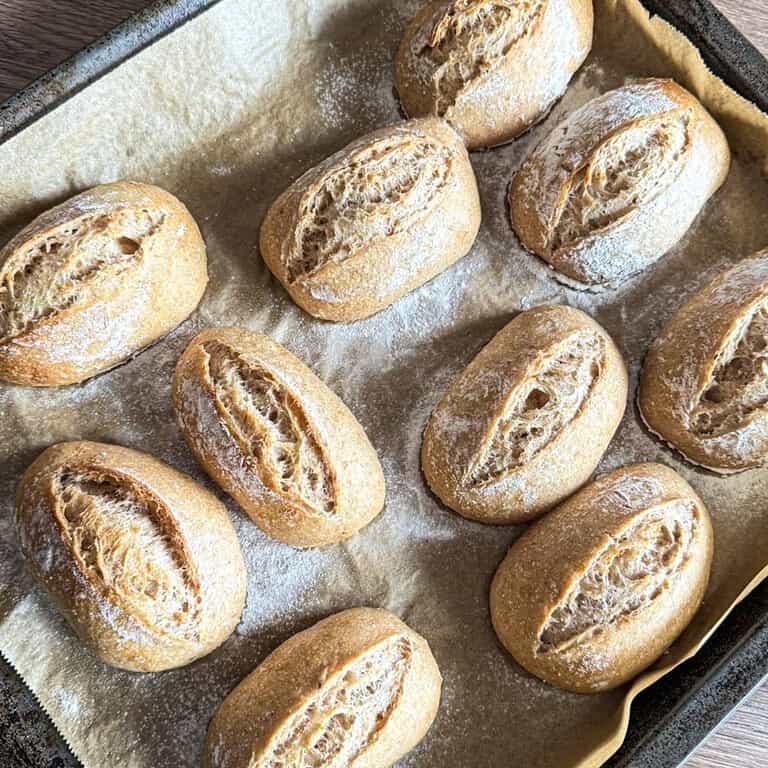
This Sourdough Ciabatta Bread is like having the best artisan bread on hand ... in one person portion size. You mix a few simple ingredients, give the dough time to do its thing, and somehow end up with bakery-style bread at home. The crust is thin and crisp, the inside is light and airy, and the flavor is perfect!
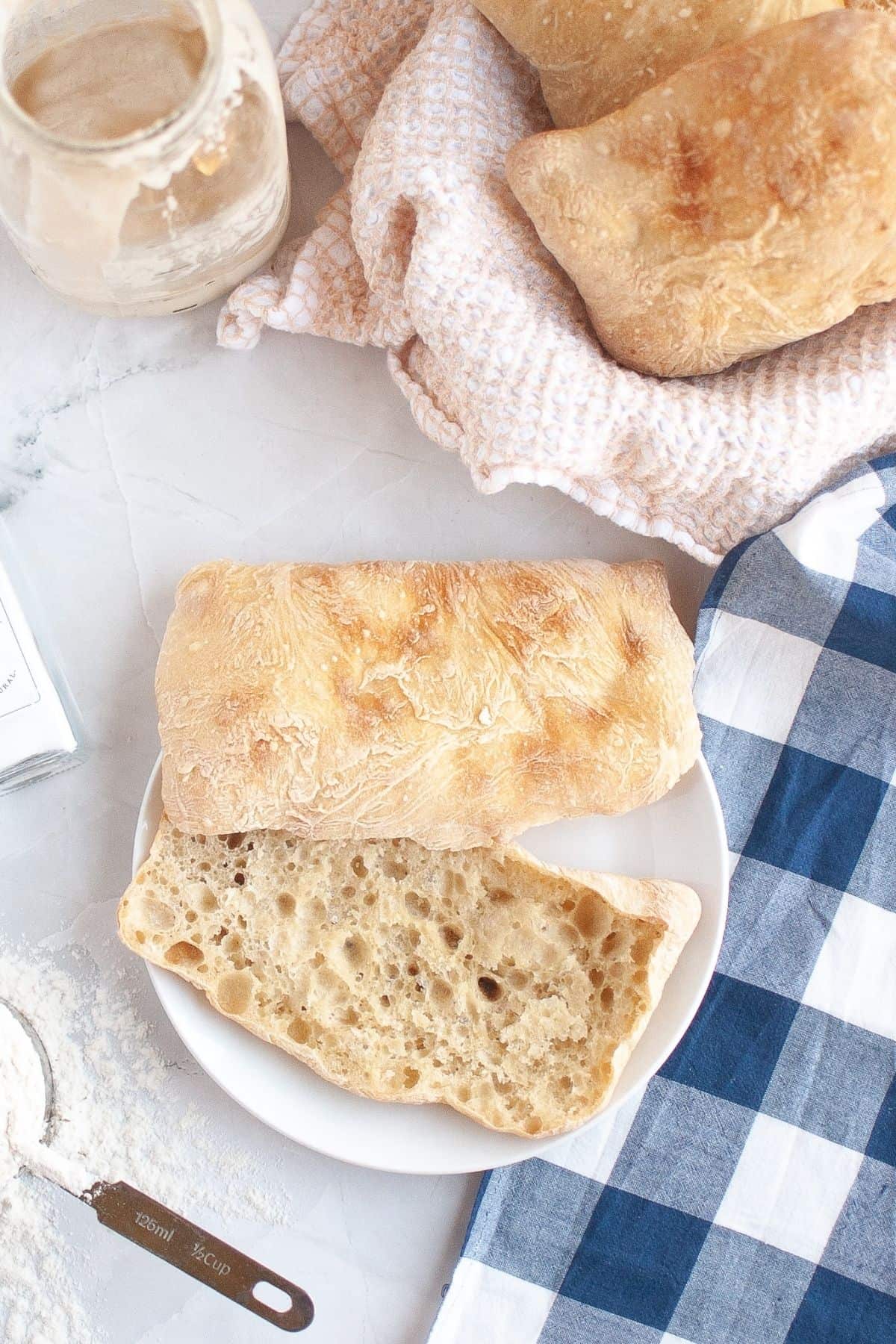
The dough is wet and messy, but don't let that scare you off. This recipe is much easier than it looks, and the results are absolutely worth it. Ciabatta is especially popular when you want something light and versatile, like for sandwiches, dipping into olive oil, or serving alongside soup or salad. I tend to make this year-round, but it's especially nice when we're doing simple meals and I want the bread to be the star of the table.
If you're looking for a little easier option that holds up well to loaded sandwiches, my Thick Sourdough Sandwich Focaccia uses a similar fermentation approach with a softer, thicker crumb.
Quick Look
- Prep time: 25 minutes
- Cook time: 20 minutes
- Rest time: 20-30 hours
- Servings: 4 small loaves (serves 4-6)
- Main ingredients: water, sourdough starter, bread flour, salt
- Cooking method: mix → rest → fold → ferment → bake
- Difficulty: Intermediate (wet dough, but simple steps)
- Serving ideas: sandwiches, dipping in olive oil, side for meals
Jump to:
- Quick Look
- Important Ingredients
- Substitutions & Variations
- How to Make Sourdough Ciabatta Bread
- Baking Schedule
- 💭Crucial Success Tips
- Recipe FAQs
- How To Store Sourdough Ciabatta Bread
- Other Delicious Recipes
- Sourdough Ciabatta Bread
- Need Help Tweaking This Recipe?
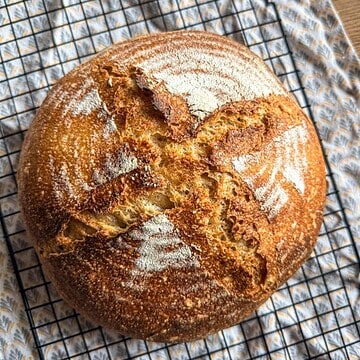
- Other Sourdough Bread Recipes You'll Love
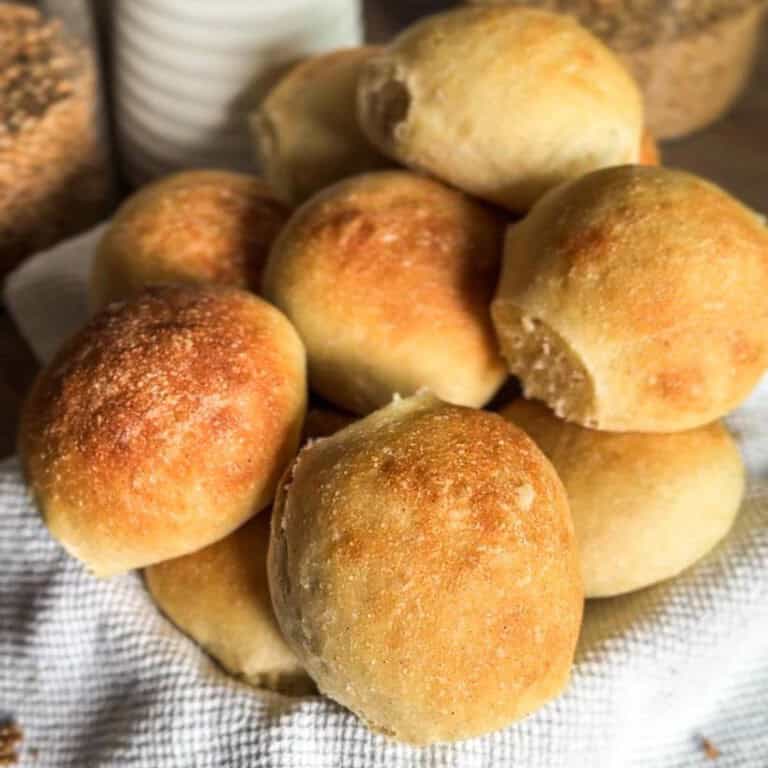
- Fresh Milled Buckwheat Sourdough Rolls
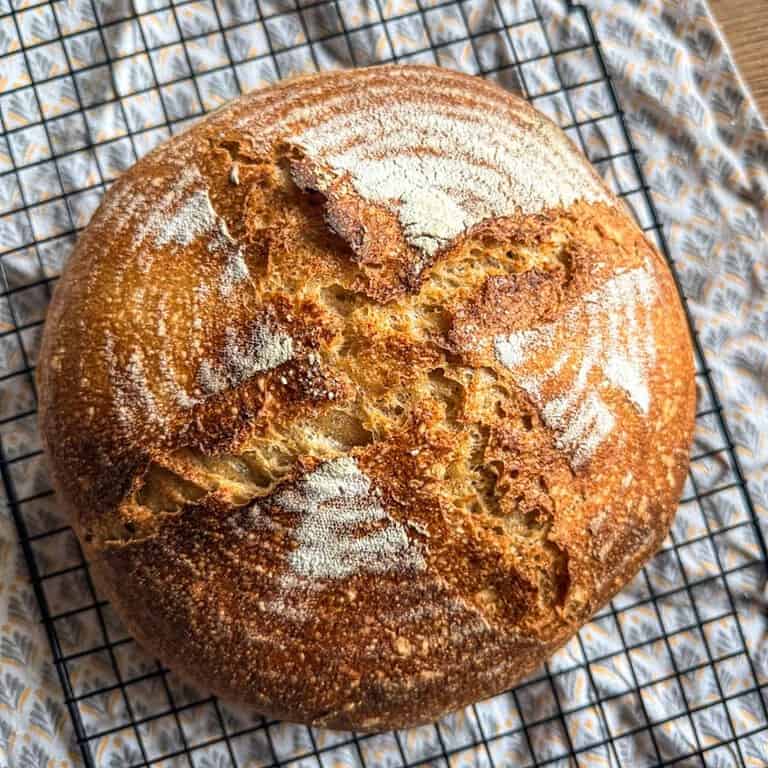
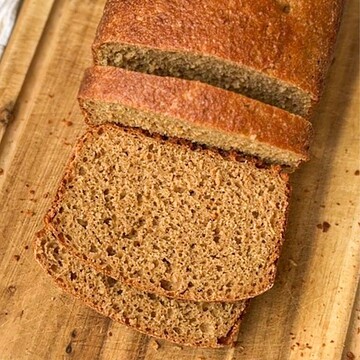
- Einkorn Sourdough Bread for Beginners (50% Fresh Milled)
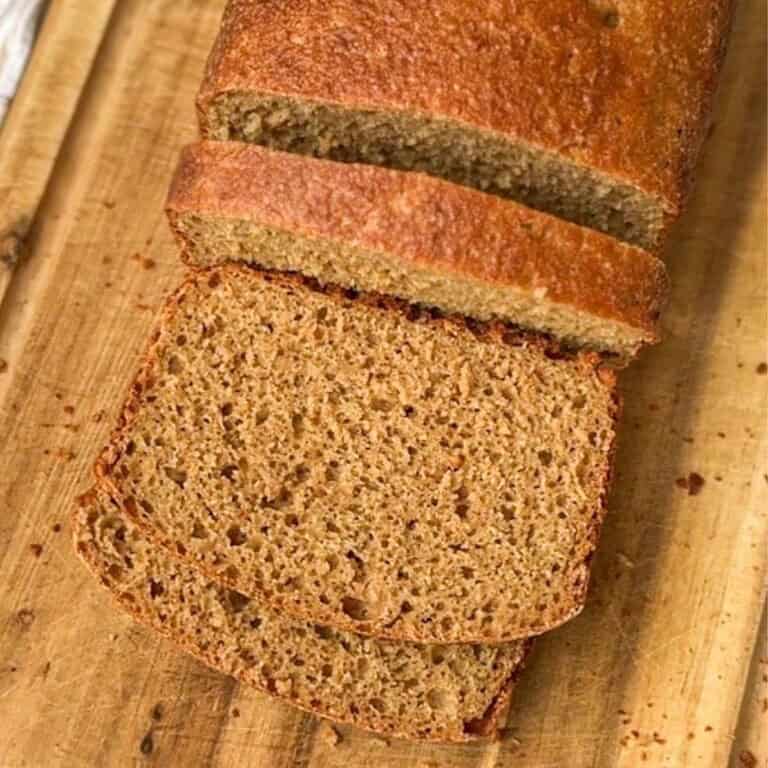
- The Easiest Fresh Milled Einkorn Sourdough Bread (Loaf Pan Method)
Important Ingredients
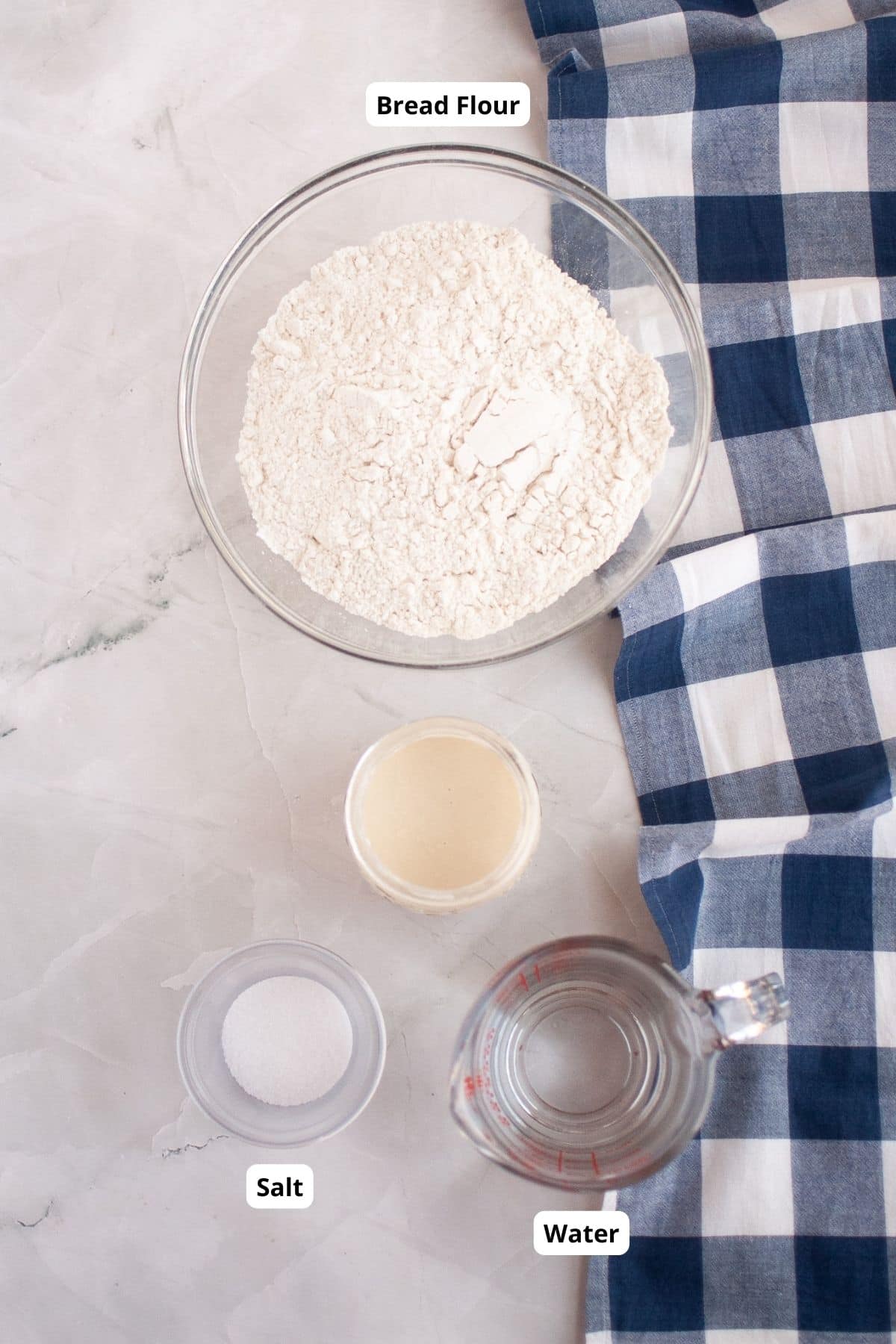
- A lot of water helps create big air holes and a light texture.
- Active sourdough starter helps the bread rise fast and big, and it adds flavor.
- Bread flour gives structure and helps the dough hold its shape.
See recipe card for quantities.
Substitutions & Variations
- Flour option: You can replace up to 20% of the bread flour with whole wheat flour for a slightly more rustic feel and taste.
- Extra flavor: Add chopped olives, roasted garlic, or herbs during the last stretch-and-fold.
- Smaller loaves: Cut the dough into 6 pieces instead of 4 for smaller portions.
How to Make Sourdough Ciabatta Bread
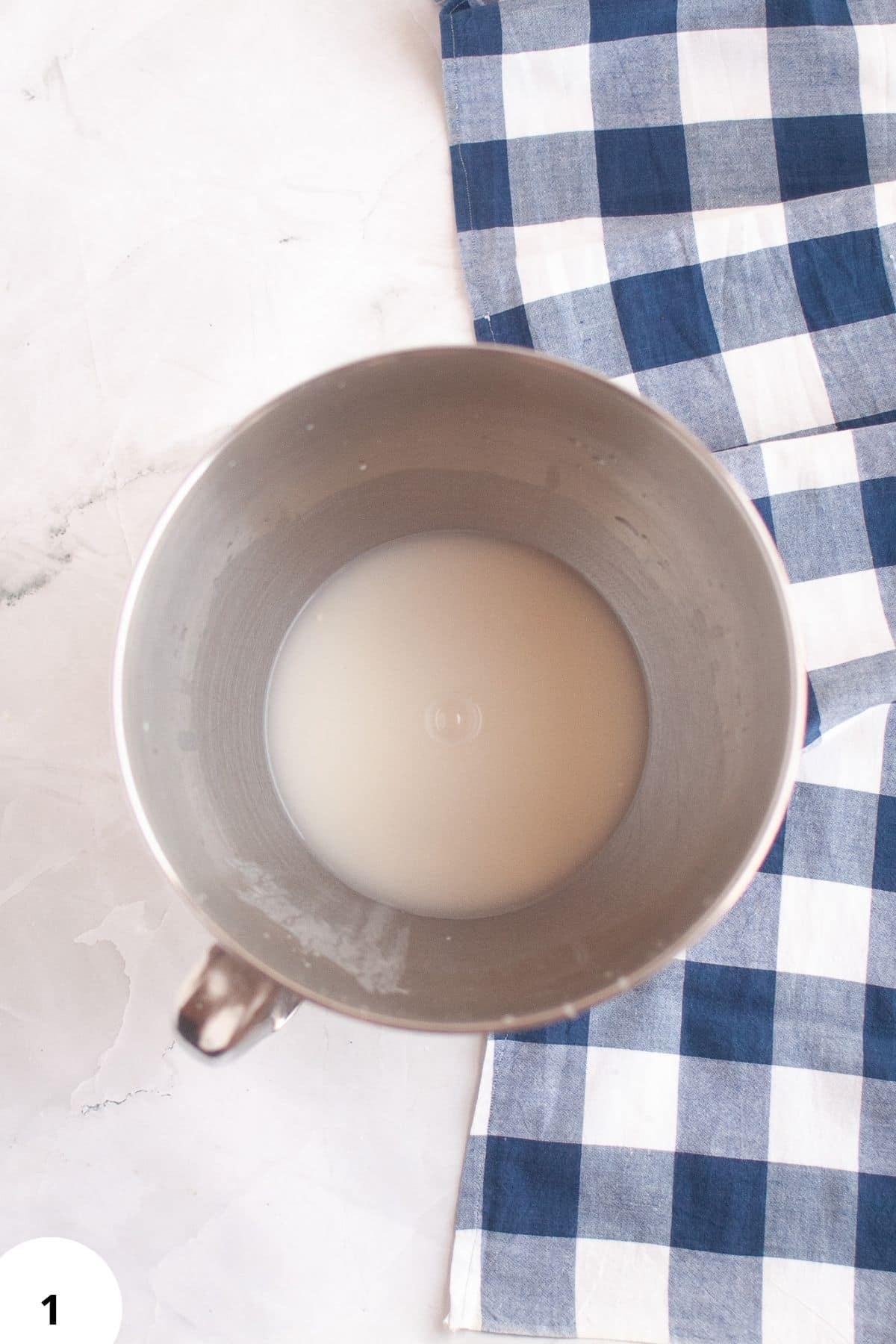
Step 1: In a mixing bowl, stir together the water and salt (Image 1). Add the sourdough starter and mix until fully dissolved.
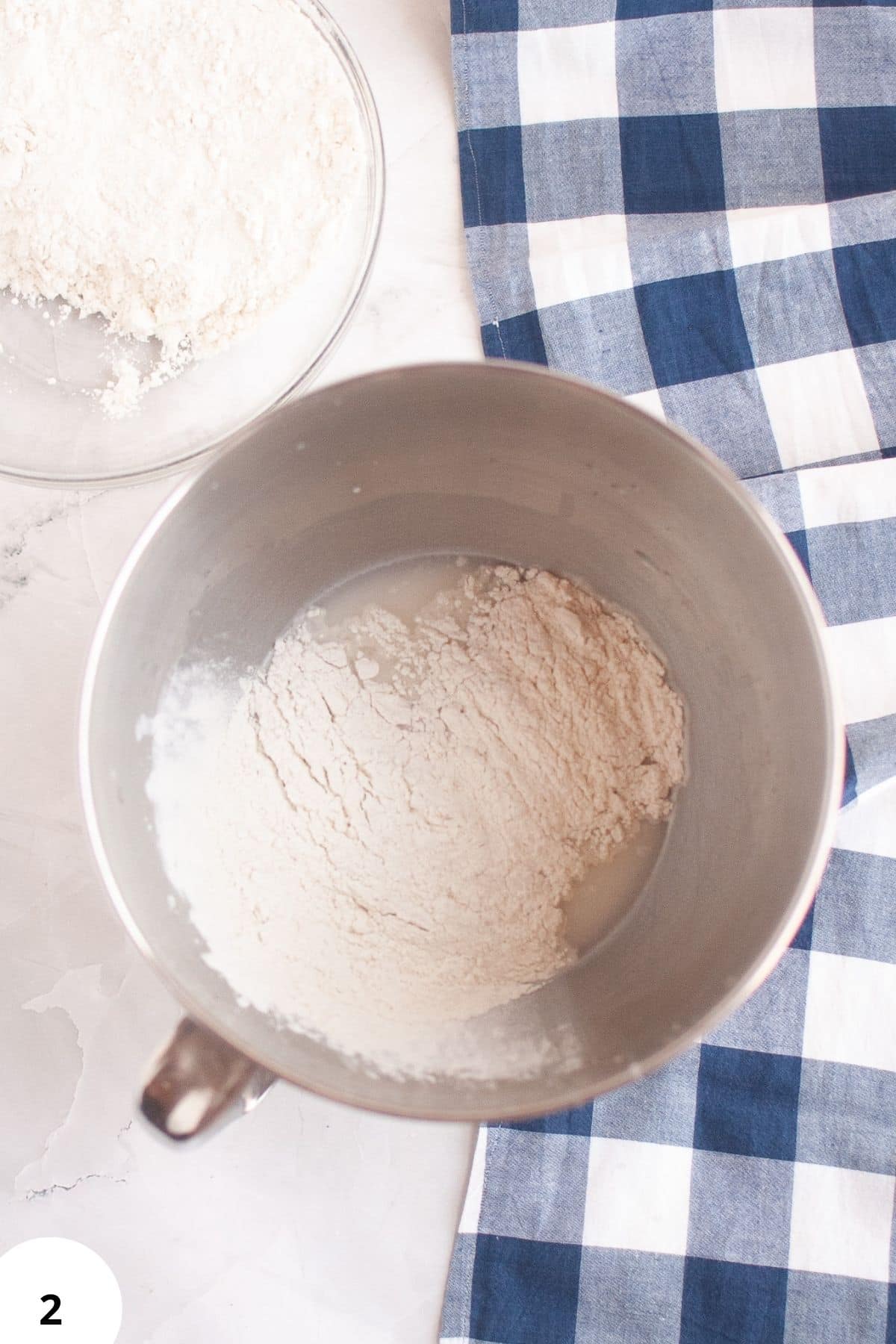
Step 2: Add the flour (Image 2) and stir until everything comes together into a sticky dough.
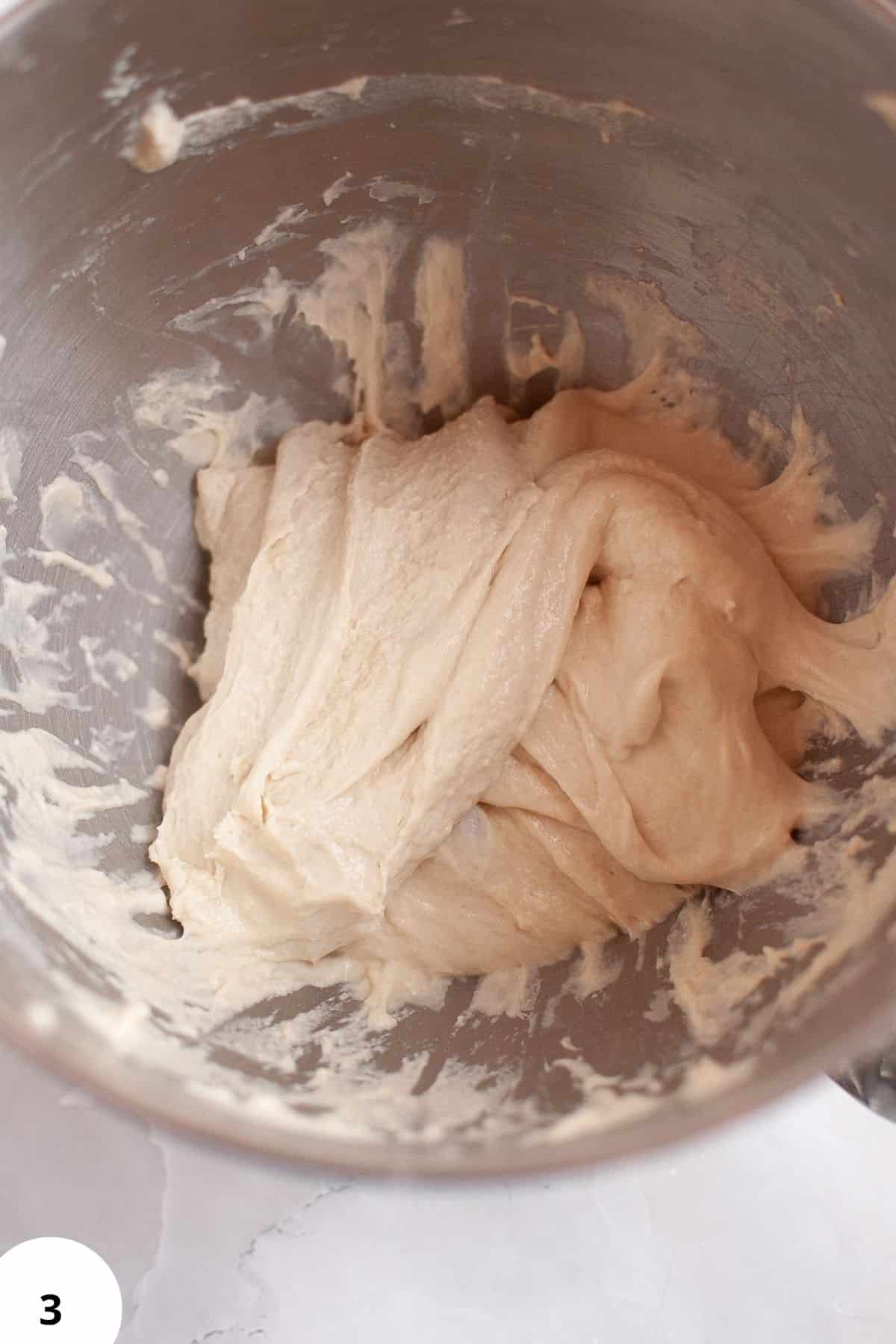
Step 3: The dough should look wet and shaggy (Image 3), this is exactly what you want.
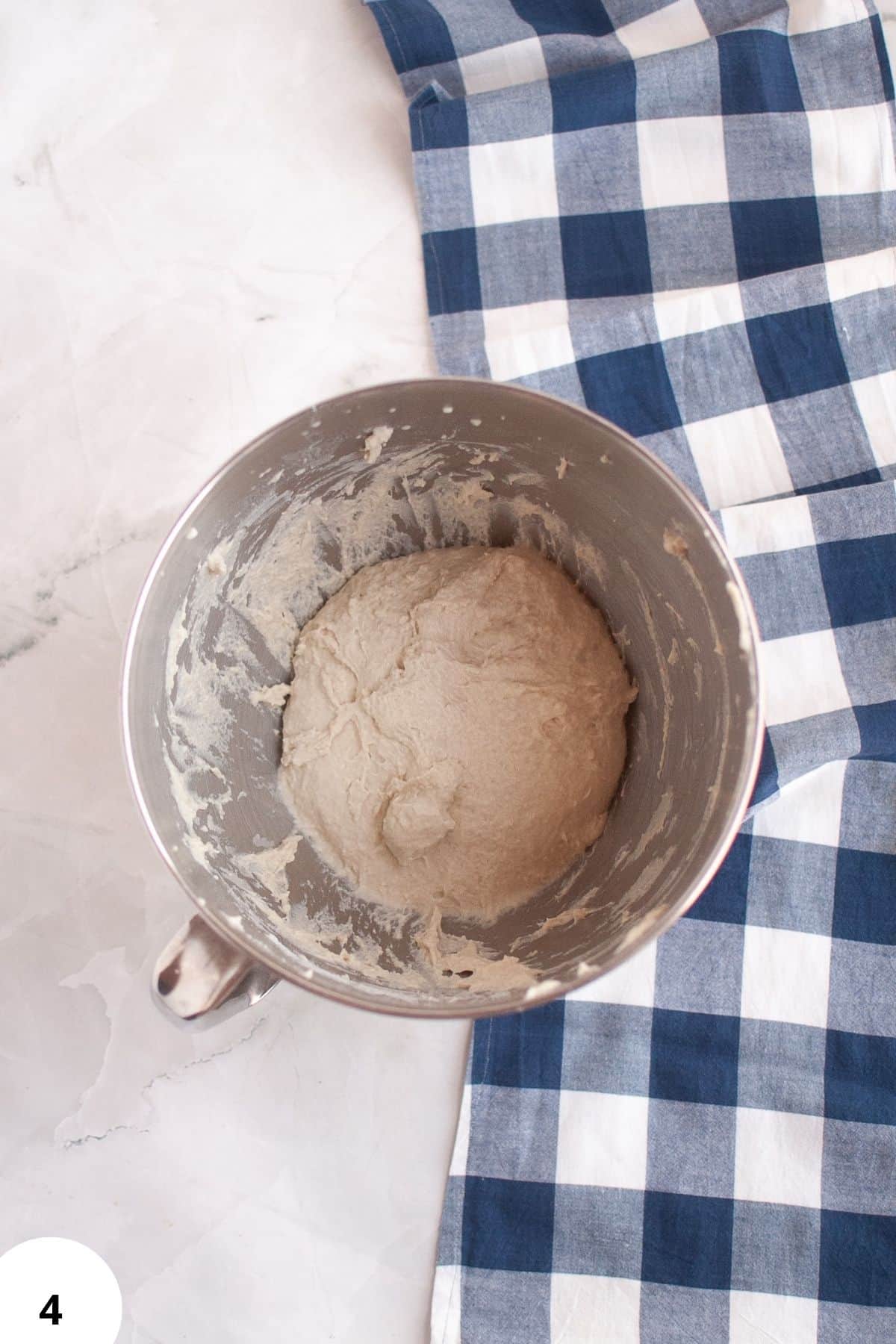
Step 4: Cover the bowl and let the dough rest for 30 minutes. This allows the flour to fully absorb the water (Image 4).
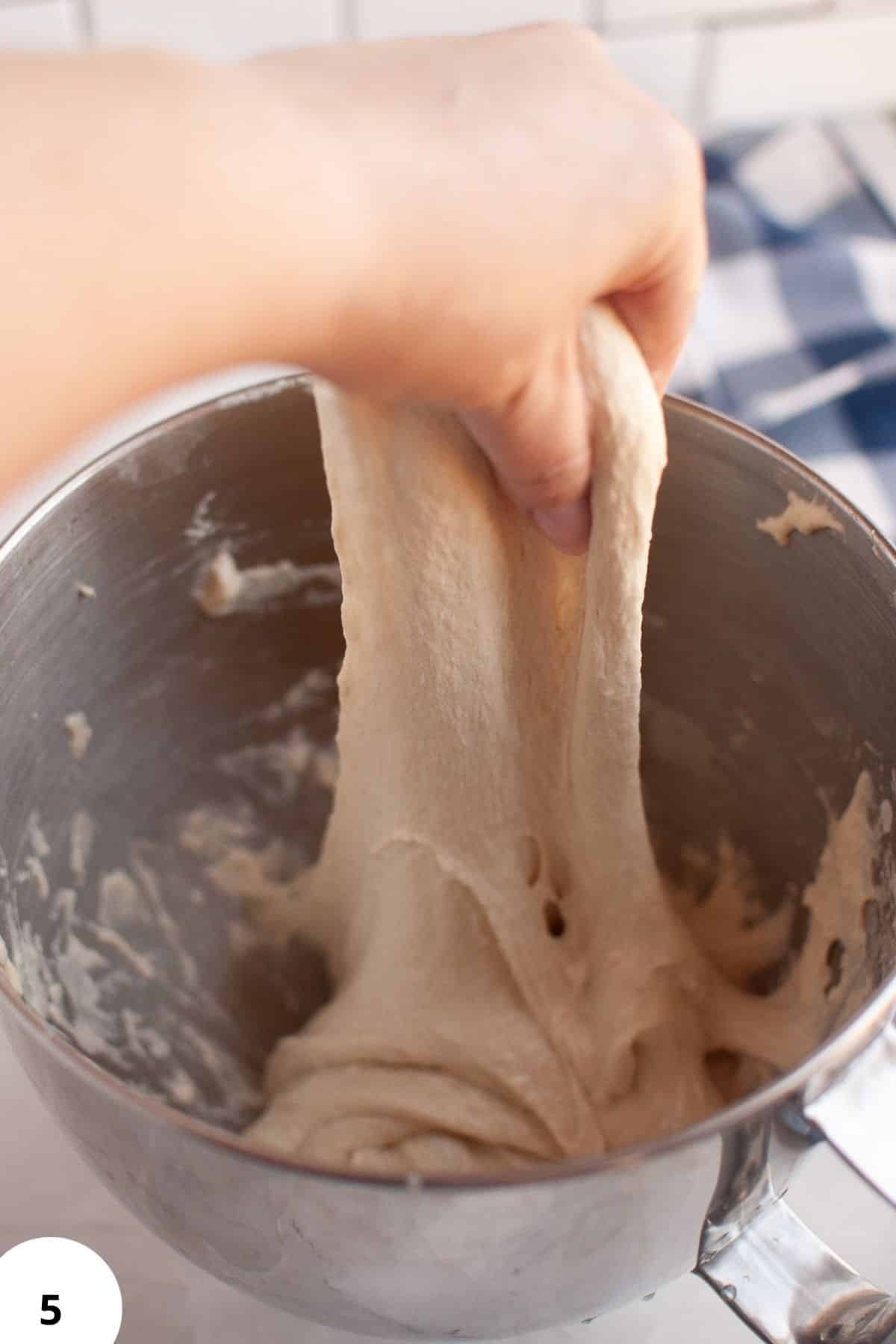
Step 5: With wet hands, lift one side of the dough (Image 5) and fold it toward the center. Turn the bowl a quarter turn and repeat.
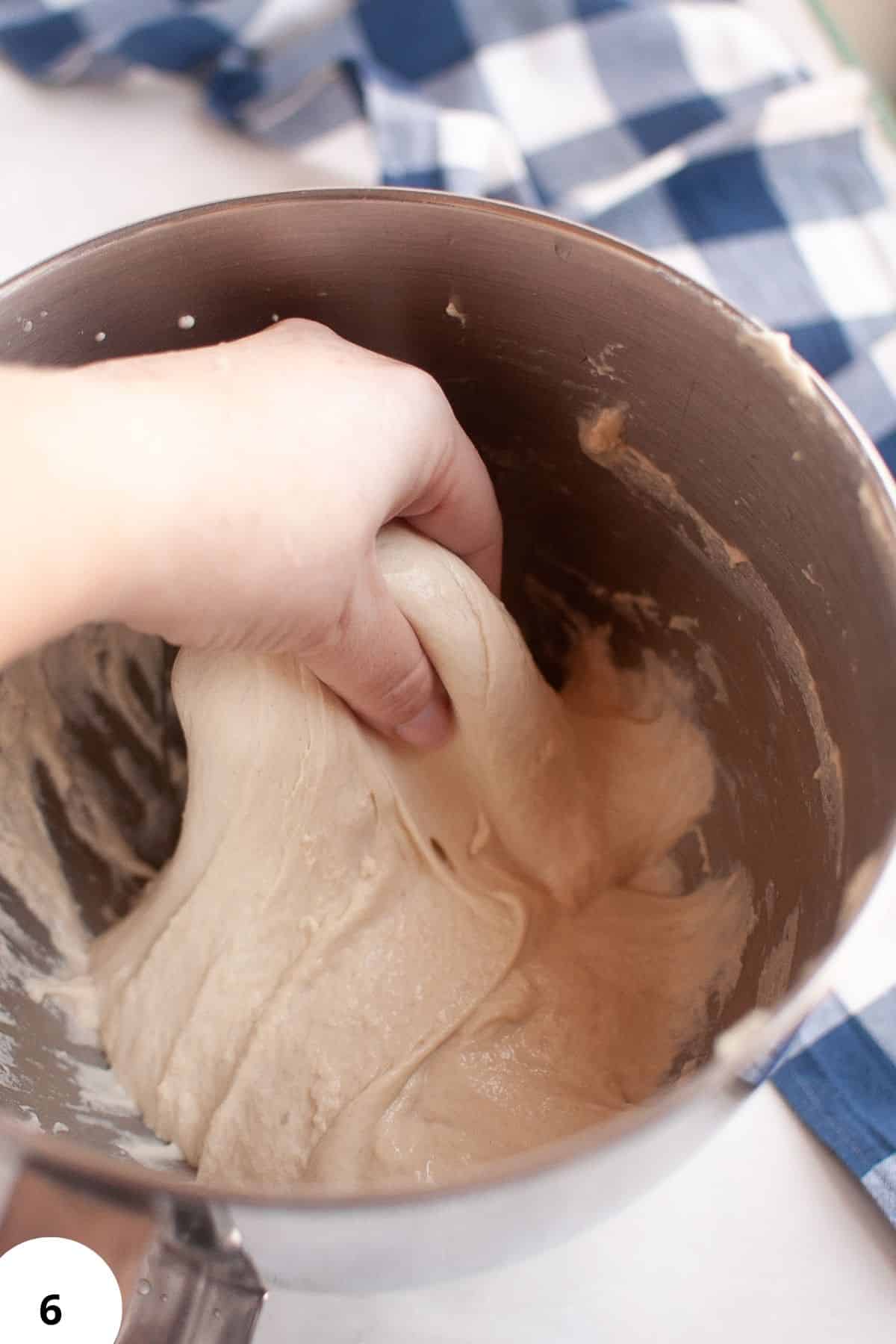
Step 6: Continue until all sides have been folded. Cover the bowl and repeat this stretch-and-fold process every 30 minutes for 3-4 rounds (Image 6).
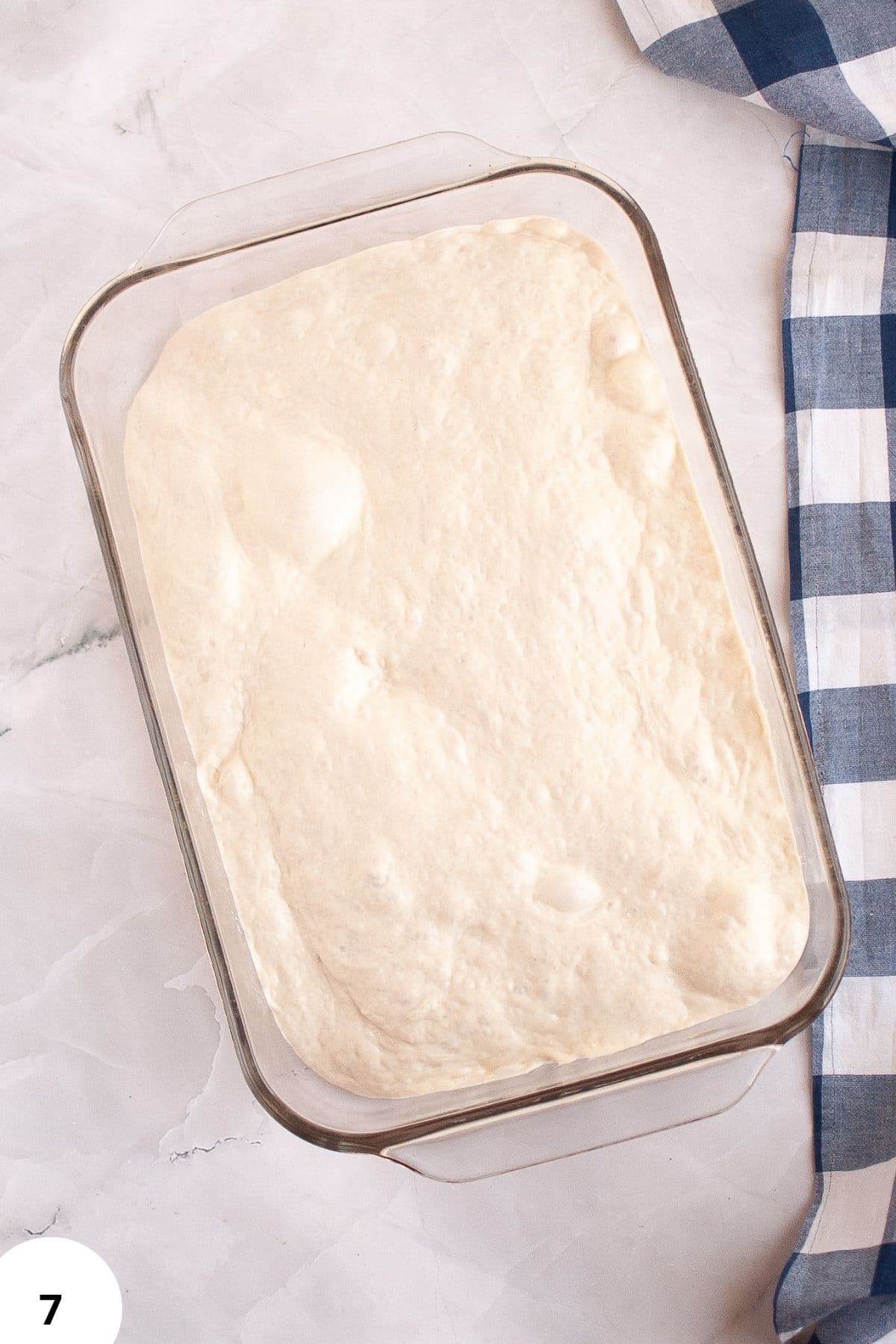
Step 7: Transfer the dough to a straight-sided container and cover. Let it rise at room temperature for about 4 hours, or until slightly puffy and expanded (Image 7). Once risen, refrigerate the dough for 12-24 hours. This slow fermentation improves flavor and texture.
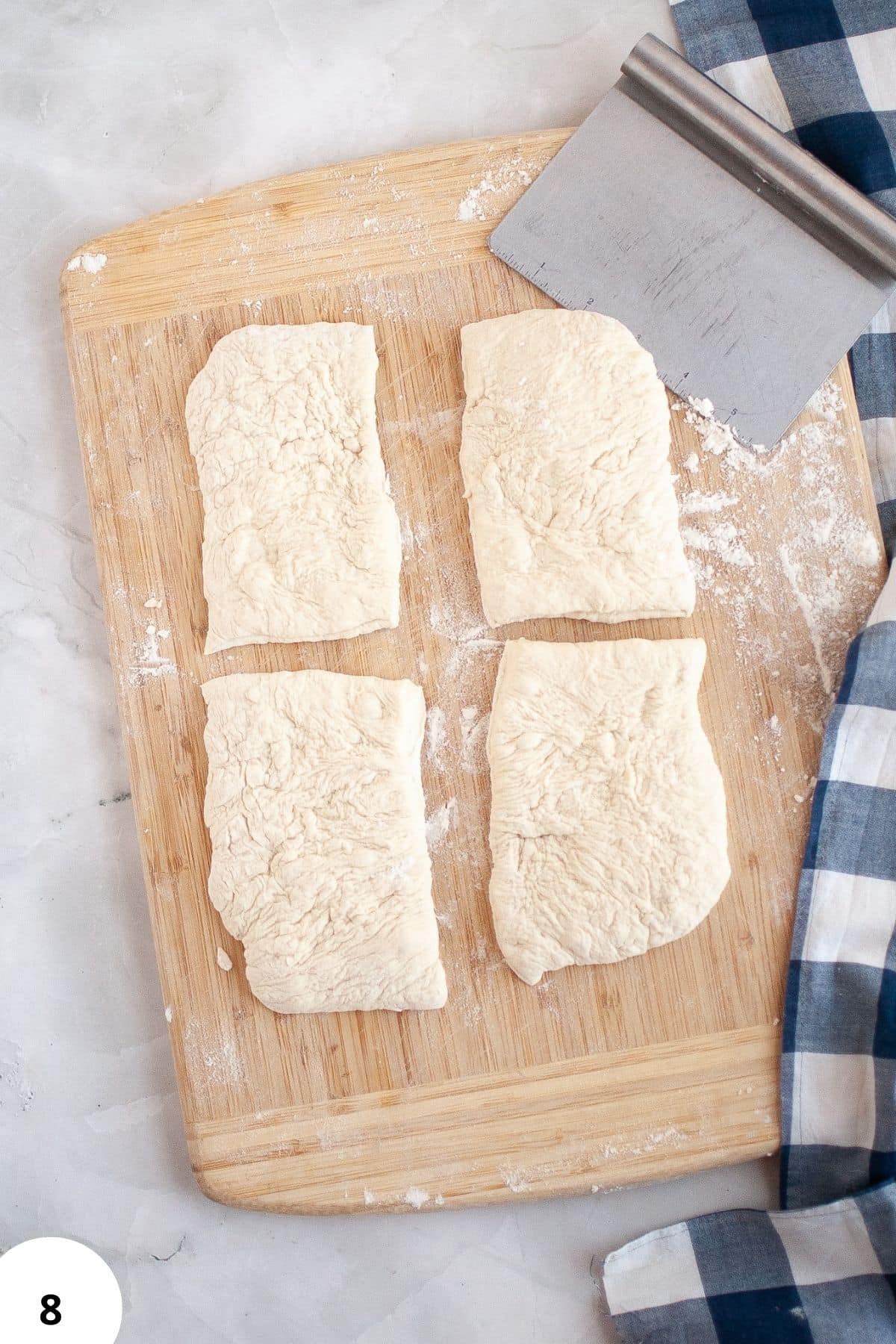
Step 8: Turn the cold dough out onto a well-floured surface. Gently pat it into a loose rectangle, then cut into four pieces (Image 8).
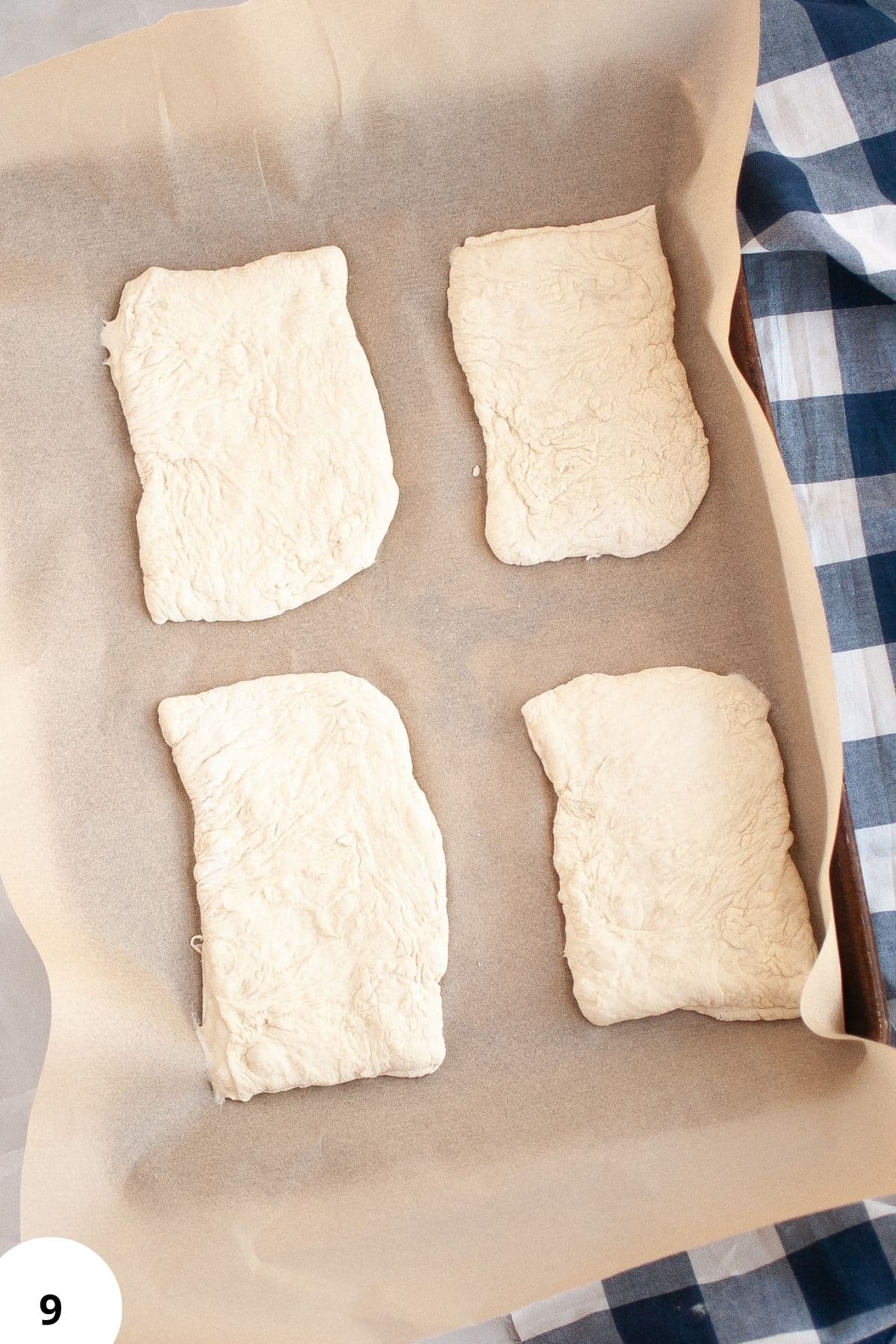
Step 9: Flour your hands and carefully lift each piece onto a lined baking sheet. Stretch them slightly to form a rustic ciabatta shape (Image 9).
Cover the dough and let it rest for 1 hour while you preheat the oven.
Bake at 475°F (245°C) for 10 minutes. Reduce the temperature to 450°F (232°C), rotate the baking tray, and bake for another 10 minutes, or until golden brown.
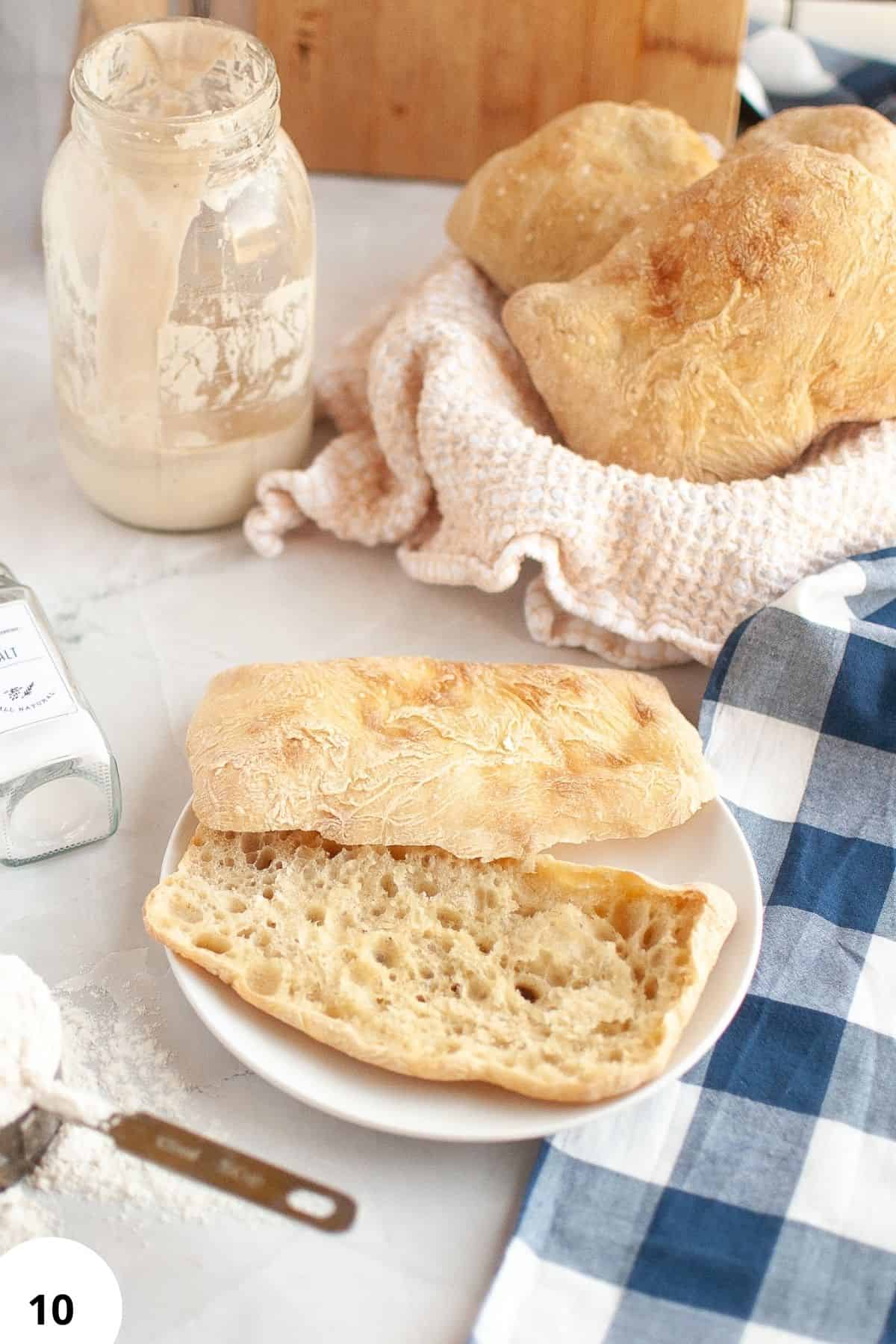
Step 10: Transfer to a wire rack and let cool for 20-30 minutes before slicing (Image 10). Best enjoyed fresh, but these freeze well too.
Hint: this dough really need you to leave it alone. Try not to add extra flour during mixing or shaping, even though it's tempting. A wet dough is exactly what creates those beautiful air pockets inside the bread.
Baking Schedule
If you want the easiest rhythm, think of this as a "mix today, bake tomorrow" bread.
On Day 1, you'll mix the dough, let it rest for about 30 minutes, then do your stretch-and-fold rounds every 30 minutes for the next couple of hours. After that, let the dough continue rising at room temperature until it looks slightly puffy and expanded, which is usually around 4 hours total at a comfortable room temp.
Once the dough has risen, cover it and move it to the fridge for a long cold ferment. This is where the flavor really develops, and it also makes the dough much easier to handle the next day. Let it chill for 12-24 hours, depending on your schedule.
On Day 2, pull the dough from the fridge, turn it out onto a well-floured surface, and gently cut it into four pieces.
Place the pieces on a lined baking sheet, stretch them just a little into that rustic ciabatta shape, then cover and let them rest for about 1 hour while your oven preheats. Bake hot, then slightly lower the temperature to finish, and let the loaves cool on a rack before slicing so the crumb can set properly.
💭Crucial Success Tips
The biggest key to great sourdough ciabatta is not panicking if the dough feels really wet, and not adding a bunch of flour because of that.
Let the dough develop strength through the stretch-and-folds instead of trying to shape it early or adding flour. When it's time to shape, handle the dough as gently as possible so you don't press out all that lovely air you worked so hard to build.
Recipe FAQs
Sourdough ciabatta dough is wet because high hydration creates the light, airy crumb and large holes ciabatta is known for. The extra water allows the dough to expand easily during fermentation, which results in a softer interior and thinner crust. A sticky dough means the recipe is working as intended!
Yes, you can bake sourdough ciabatta the same day, but the flavor and texture will be less developed. Cold fermentation improves structure, deepens flavor, and makes the dough easier to handle during shaping. Refrigerating the dough is strongly recommended for best results.
Sourdough ciabatta dough is ready to bake when it looks bubbly, slightly jiggly, and well-aerated after cold fermentation. When turned out onto the counter, it should spread slowly and feel light rather than dense. These signs show the dough has fermented properly.
How To Store Sourdough Ciabatta Bread
Store at room temperature in a paper bag for up to 2 days.
Freeze baked bread for up to 2 months. Thaw at room temperature before serving.

Other Delicious Recipes
- Fresh Milled Buckwheat Sourdough Rolls

- Einkorn Sourdough Bread for Beginners (50% Fresh Milled)
- The Easiest Fresh Milled Einkorn Sourdough Bread (Loaf Pan Method)
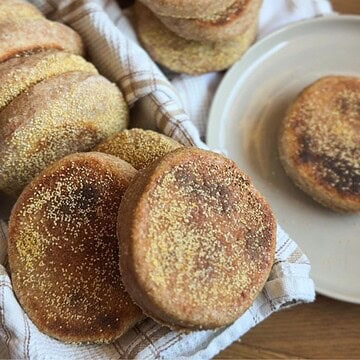
- Fresh Milled Sourdough English Muffins (Same Day or Overnight)

If you tried this sourdough ciabatta bread or any other recipe on my blog please leave a 🌟 star rating and let me know how it went in the 📝 comments below! Happy Baking!

Sourdough Ciabatta Bread
Ingredients
- 240 g Water
- 6 g Salt
- 70 g Active sourdough starter
- 300 g Bread flour
Instructions
- In a mixing bowl, stir together the water and salt. Add the sourdough starter and mix until fully dissolved.
- Add the flour and stir until everything comes together into a sticky dough.
- The dough should look wet and shaggy, this is exactly what you want.
- Cover the bowl and let the dough rest for 30 minutes. This allows the flour to fully absorb the water.
- With wet hands, lift one side of the dough and fold it toward the center. Turn the bowl a quarter turn and repeat.
- Continue until all sides have been folded. Cover the bowl and repeat this stretch-and-fold process every 30 minutes for 3-4 rounds.
- Transfer the dough to a straight-sided container and cover. Let it rise at room temperature for about 4 hours, or until slightly puffy and expanded. Once risen, refrigerate the dough for 12-24 hours. This slow fermentation improves flavor and texture.
- Turn the cold dough out onto a well-floured surface. Gently pat it into a loose rectangle, then cut into four pieces.
- Flour your hands and carefully lift each piece onto a lined baking sheet. Stretch them slightly to form a rustic ciabatta shape. Cover the dough and let it rest for 1 hour while you preheat the oven. Bake at 475°F (245°C) for 10 minutes. Reduce the temperature to 450°F (232°C), rotate the baking tray, and bake for another 10 minutes, or until golden brown.
- Transfer to a wire rack and let cool for 20-30 minutes before slicing. Best enjoyed fresh, but these freeze well too.